You love the idea of falling asleep to crickets instead of traffic, but the reality of pitching a tent, wrestling with sleeping bags and trekking to a distant bathroom stall keeps you from actually booking that outdoor escape. Fair enough. Not everyone wants to rough it, and the good news is you no longer have to.
That’s where glamping comes in. Short for “glamorous camping,” it pairs beautiful natural settings with real beds, proper bathrooms and none of the gear haul. In this beginner’s guide, we’ll explain exactly what glamping is, walk through the most common types of accommodation, break down what a typical stay includes, and cover how much it costs. We’ll also help you decide when and where to go, share practical tips for booking your first trip, and finish with an honest look at whether glamping is right for you. By the end, you’ll know exactly how to trade your sleeping bag for a king bed under the stars.
What Is Glamping, Exactly?
Glamping is short for “glamorous camping,” and it does exactly what the name promises: it combines an outdoor setting with hotel-style comfort. Instead of a thin pad on rocky ground, you get a proper bed. Instead of a headlamp and a cold campstove, you often get electricity, heating and somewhere decent to make coffee. You’re still sleeping in nature — a forest, a lakeshore, a vineyard — but without giving up the things that make a trip restful.
The difference from traditional tent camping is easy to list. A typical glamping stay includes a real mattress with linens, lighting you don’t have to hold in your teeth, and frequently a private bathroom of your own. You also don’t need gear. No tent to pitch, no sleeping bag to compress, no cooler to pack. You arrive with a duffel bag the way you would for a hotel stay.
Why it took off
Glamping grew popular because it solves a very common problem: plenty of people want fresh air, starry skies and quiet mornings, but they don’t want to sacrifice comfort to get them. It appeals to couples planning a weekend escape, travelers who have never camped before, and anyone whose back has retired from sleeping on the ground. You get the scenery and the campfire, and the tent pegs stay in someone else’s hands.
Common Types of Glamping Accommodation
Glamping isn’t one type of accommodation — it’s a whole family of them, and the differences matter more than you might expect. Canvas structures like safari tents and yurts are the classics: spacious, often set on wooden platforms, and airy in warm weather. Geodesic domes and treehouses are the showstoppers you’ve seen on social media, and they tend to come with showstopper rates — many of the most dramatic options sit at the top of the typical $100–$500 per night range, and luxury domes and treehouses can exceed $600. Then there are the solid-walled options — cabins, Airstreams and tiny houses — which are smart picks for colder months or shoulder-season trips when a tent wall feels a little thin. Whichever you choose, most sites include a real bed, heating or cooling, and either an en-suite or nearby private bathroom, so the basics rarely vary as much as the structures do.
Here’s a quick way to think about each type:
- Safari tents: usually the largest canvas option, often with separate sleeping and living areas, which makes them good for families or longer stays.
- Yurts: round, insulated structures with a domed skylight, so they hold heat better than most tents and feel surprisingly cozy in cool evenings.
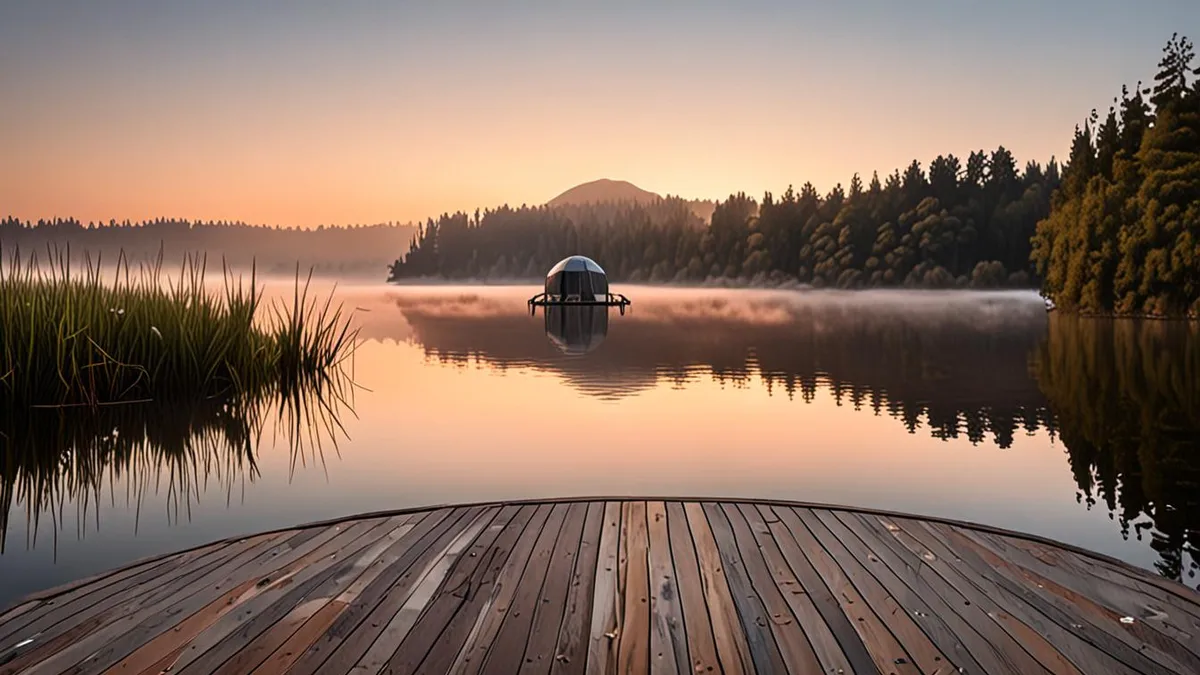
- Geodesic domes: transparent or windowed panels make them popular for stargazing from bed — expect the most dramatic views and the highest rates.
- Treehouses: elevated and private, often reached by stairs or a short walkway, which trades convenience for atmosphere.
- Cabins, Airstreams and tiny houses: solid walls, better insulation and lockable doors make them the safest bet for rainy or chilly forecasts.
Match the structure to the season and the experience you want, and the rest of the trip tends to fall into place. A canvas tent suits a warm midsummer weekend, while a cabin or Airstream stretches the season comfortably at either end.
What a Typical Glamping Stay Includes
So what do you actually get when you book a glamping stay? More than most first-timers expect. The standard setup includes a queen or king bed with real linens, proper lighting, and heating or fans depending on the climate. Many sites also add a kitchenette or a BBQ, so you can cook a simple dinner without bringing a single piece of equipment. Think of it as a small hotel room that happens to have canvas walls or a forest view.
The bathroom question
Bathrooms are the detail that varies most from site to site, and it’s the one thing you should always check before booking. Some accommodations have en-suite bathrooms with a proper shower and toilet. Others rely on shared luxury bathhouses — clean, well-designed facilities a short walk from your tent or dome. Neither option is bad, but they’re very different experiences, especially at night or in the rain, so confirm what your specific unit offers.
Beyond the basics, many sites layer in extras that turn a good stay into a memorable one. You’ll commonly find hot tubs, fire pits for evening s’mores, breakfast baskets delivered to your door, or guided activities like kayaking, hikes or wine tastings arranged by the host. None of these are guaranteed, and some cost extra, so read the listing carefully. If a wood-fired hot tub under the stars is the reason you’re booking, make sure it’s actually part of your unit and not a shared amenity that requires a reservation.
How Much Does Glamping Cost?
Glamping prices vary widely, but most stays fall somewhere between $100 and $500 per night. The final number depends on the type of structure, the location, and the level of comfort. A simple safari tent in a field near a small town will sit at the lower end of that range, while a design-forward dome overlooking a lake can easily climb higher.
At the very top of the market, premium treehouses and geodesic domes can cost even more than the typical range. These are usually architect-designed properties with private hot tubs, panoramic views and full hotel-style service. Think of them as boutique hotels built in the trees rather than upgraded tents.
What pushes the price up
A few features reliably add to the nightly rate. An en-suite private bathroom is the biggest one, followed by extras like a hot tub or wood-fired sauna. Remote locations cost more too, since getting furniture, water and power to a secluded ridge or island takes effort. And of course, high season demand in July and August means the same tent can cost noticeably more than it does in spring.
How to spend less
The easiest saving is timing. Midweek stays are usually cheaper than Friday and Saturday nights, and shoulder season trips in May or September–October often come with lower rates and quieter sites. Choosing a smaller tent or a yurt instead of a dome can also shave a meaningful amount off the total. If you don’t need a private bathroom, shared bathhouses at well-run sites are often spotless and cost less.
When and Where to Go Glamping
In most temperate regions, the glamping season runs roughly from May to October. Canvas structures like yurts, safari tents and domes are at their best during these months, when nights are mild and the grounds are open. If you want to travel outside that window, look for solid-wall options like cabins and tiny houses, which are insulated and heated and can extend your season well into the colder months.
Where glamping sites tend to be
Most glamping sites are built where the scenery is good but the drive is manageable. Popular settings include lakesides, gateways to national parks, vineyards and coastal dunes. Many are within 1–2 hours’ drive of major cities, which makes them ideal for a weekend trip without a long haul or a flight.
Match the setting to your goal
Think about what you actually want from the trip before you book. If stargazing is the priority, a dome with a transparent roof away from city lights is hard to beat. If you want slow mornings with coffee over the water, look for a lakeside tent or cabin with a private deck. And if you’re after that full forest-canopy feeling, a treehouse delivers it better than anything else on the ground. Choosing the setting first, then the structure, usually leads to a much better stay than booking a pretty photo alone.
How to Book Your First Glamping Trip
Booking your first glamping trip is straightforward, but a little planning goes a long way. The best sites are small — often just a handful of units on a property — so they sell out much faster than hotels of a similar size, especially in summer. A bit of homework before you pay will save you from surprises like a drafty tent or a shared bathroom you didn’t expect. Follow these steps to get it right.
- Time your booking. For peak summer weekends, book 3–6 months ahead, especially for popular domes and treehouses, which tend to be the most in-demand units on any site. In shoulder season, 1–2 months can suffice, and you’ll often find better availability midweek when fewer people travel.
- Check the bathroom situation. Listings vary from en-suite bathrooms to shared luxury bathhouses, and this is the single detail most likely to affect your comfort. Confirm exactly what your unit includes before paying, and don’t assume “private bathroom” means it’s inside your tent or cabin.
- Confirm heating and linens. Most sites include a real bed with heating or cooling, but a few budget options expect you to bring your own bedding or rely on a small heater. Read the amenities list carefully so you know what to pack.
- Look for kitchen gear. If you plan to cook, check whether the unit has a kitchenette or BBQ and whether pots, pans and utensils are provided. If not, plan to bring your own, or choose a site with good restaurants nearby.
- Read recent reviews. Look for comments on weather exposure (is the tent drafty in wind?), noise from neighbors or nearby roads, and the actual layout of the site. Marketing photos can hide a lot; recent guest reviews usually don’t.
Once you’ve found a site that ticks these boxes, don’t overthink it. The good ones book up quickly for a reason, and a well-chosen first trip is usually all it takes to turn a curious first-timer into a regular glamping fan who plans their next escape before the last one ends.
Is Glamping Right for You?
If drifting off to the sound of crickets and waking to birdsong sounds like your kind of night, but pitching a tent, wrangling sleeping bags and trekking to a distant restroom does not, glamping was made for you. It pairs a real outdoor setting with a real bed, heating or cooling, and often a private bathroom, with nightly prices typically running from $100 to $600+ depending on the structure. That makes it a great fit for comfort-first travelers, nervous first-timers and anyone planning a short weekend escape.
The recipe is simple: pick a stay type that suits you, whether that is a safari tent, yurt, dome, treehouse, cabin or Airstream, book 3–6 months ahead for peak summer weekends, and aim for the May–October season in most temperate regions. Have you tried glamping yet, or are you planning your first trip? Share your thoughts or questions in the comments, and feel free to pass this guide along to a fellow traveler.