Figuring out where to stay in Lapland has become genuinely tricky. The region’s most memorable accommodation — those glass-roofed lodges and timber cabins — often sells out six months or more in advance, and once you start searching, you face a real choice: do you fall asleep watching the northern lights through a heated glass roof, or settle into a traditional cabin with a fireplace and a sauna of your own?
This guide breaks that decision down for you. We’ll compare glass lodges with traditional cabins, look at how to choose the right base, and explain how the seasons and light shape your stay, from the polar night to the midnight sun. You’ll also find practical advice on how far ahead to book, what glass lodges and cabins typically cost, and how to get there and around. By the end, you should know exactly which kind of Lapland stay suits you — and when to lock it in.
Where to Stay in Lapland: Choosing Your Base
Picking the right base shapes your whole Lapland trip. The region is bigger than most travelers expect, and the difference between staying near Rovaniemi and heading to the far north is a few hours of driving that translates directly into darker skies, quieter roads and different prices.
First-timers and families: Rovaniemi
Rovaniemi works best if this is your first Lapland trip and you want everything on a plate. Santa Claus Village sits on the Arctic Circle just outside the city, and the airport, restaurants and tour operators are all close by. You will trade some wilderness for convenience, and light pollution in the city itself means you will typically need to drive out of town for good aurora viewing.
Ski resorts and the far north
Levi and Ylläs, about 150 km further north, offer proper ski-resort infrastructure: ski schools, rental shops, restaurants and a dense cluster of lodges and cabins within reach of the slopes. If you want to combine days on the snow with evenings in a glass lodge or sauna cabin, these two resorts are the most practical choice.
Continue north to Saariselkä and Inari and the character changes again. Skies are darker, the landscape is wilder, and the lodge clusters are smaller and quieter. Aurora odds tend to improve the further north you go, and you give up resort amenities in exchange for genuine silence and wilderness.
Southern Lapland near Rovaniemi generally has the lowest prices in the region, which makes it tempting for budget travelers. The compromise is weaker aurora odds compared with the north, so weigh what matters most for your trip before booking.
Glass Lodges: Aurora Views From Bed
If watching the northern lights is the whole point of your trip, a glass lodge is hard to beat. These purpose-built suites feature a heated glass roof or curved panoramic window, so you can lie in a warm bed and scan the sky all night. No dressing in five layers at 2 a.m. to step outside and squint upward.
The trade-off is price. In high season, glass lodges typically cost €250-600 per night, well above what a traditional cabin runs. You are paying for the view, the insulation technology and often a compact but well-designed room with a small bathroom and kitchenette.
They are best suited to aurora season trips, which run roughly from late August to early April. Outside that window, the midnight sun makes a glass roof more of a curiosity than a feature, so think carefully about summer bookings.
Before you book, compare the details between properties, because they vary more than the photos suggest:
- Location and light pollution: Ask whether the lodge sits in open wilderness or near a village, as nearby streetlights and resort buildings can wash out fainter aurora displays.
- Adjustable heating and blinds: Glass rooms can warm up surprisingly fast even in winter, and blackout blinds or shades matter if you want to sleep past dawn during the brighter months.
- Roof angle and bed position: Some lodges angle the glass so you can see the sky while lying down, while others require sitting up, which makes a difference on a long night of aurora watching.
- Privacy: Clustered lodges can mean neighboring guests walking past your window, so check the spacing between units if that concerns you.
Traditional Cabins: Cozy Wilderness Living
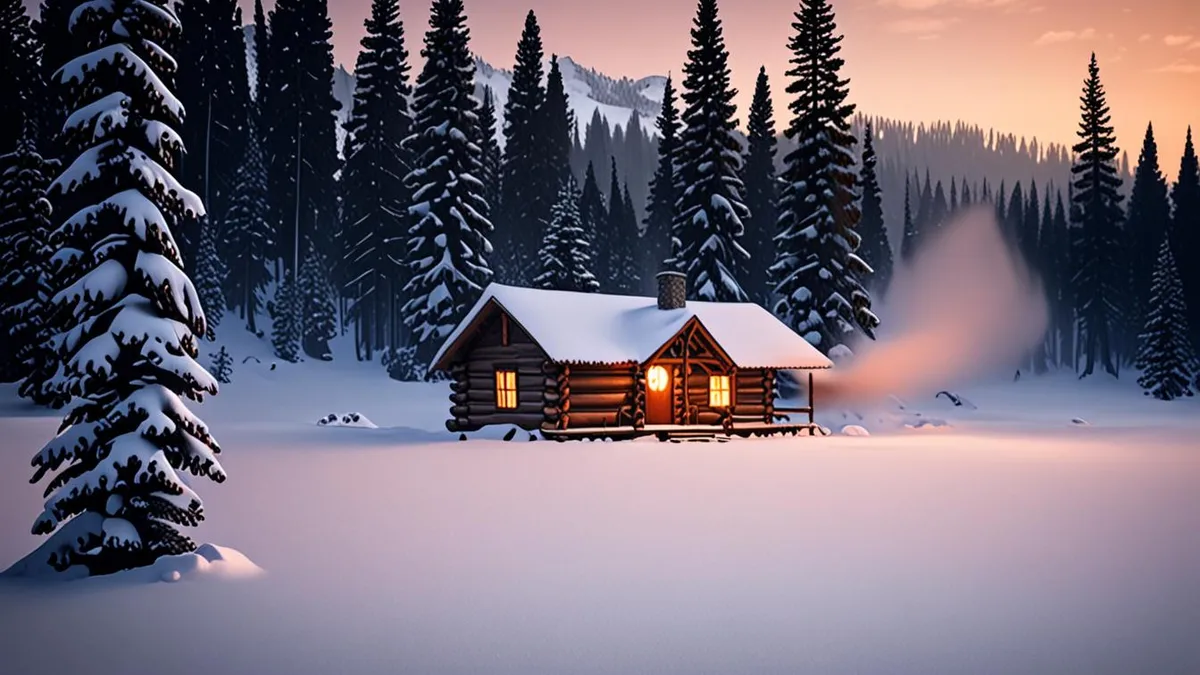
If a glass lodge feels too futuristic for your Lapland trip, a traditional log cabin might be exactly what you are after. These timber cabins come with the essentials of Finnish winter life built in: a private sauna to sweat out the day’s cold, a crackling fireplace for the evenings, and enough space to actually unpack your bags. Prices typically run from around €120 to €300 per night depending on size, location and standard, which often works out cheaper per person than a glass lodge when you split the cost.
Why cabins suit families and groups
The big advantage is self-catering. Most cabins include a full kitchen, several bedrooms and a dining table big enough for everyone, so you can cook your own meals instead of paying restaurant prices three times a day. Families with children appreciate the extra room and the freedom of having a whole house rather than a single hotel room. Groups of friends splitting a larger cabin often find it is the most affordable way to spend a week in Lapland.
Location matters too. Many cabins sit near the ski resorts of Levi and Ylläs or beside frozen lakes, with snowmobile trails and cross-country ski tracks starting right at the door. That means you can clip into your skis in the morning without driving anywhere. Just note that a cabin keeps you busy rather than passive: you will light fires, heat the sauna and manage your own heating, which some travelers love and others find like hard work on holiday.
Timing Your Stay: Seasons and Light
Lapland is a destination where timing changes everything, from how much daylight you get to how likely you are to see the northern lights from your lodge. The winter season splits into three very different windows, and each one suits a different style of traveler.
Polar night: darkness as the main attraction
From mid-November to mid-January, northern Lapland enters the polar night. The sun barely rises, and many days pass with only a bluish twilight for a few hours around midday. That might sound bleak, but it is exactly what aurora hunters want: dark skies for most of the day mean strong northern lights potential, and the snowy landscape never looks pitch black thanks to the snow’s reflective glow.
This is also the atmospheric peak of the season. Think lantern-lit walks, husky safaris through dim blue forests, and evenings spent watching the sky from a heated glass roof. Just pack proper layers, because temperatures can drop very low, and plan indoor activities for the twilight hours.
The sweet spots: February-March and summer
February and March are widely considered the best all-round months. You get reliable snow for skiing, snowmobiling and reindeer safaris, good aurora activity, and noticeably longer days that make it easier to enjoy daytime activities too. If you want both action and northern lights, aim here.
Summer flips the script entirely. The midnight sun lasts from late May to mid-July, so the sky stays bright around the clock and the aurora disappears. The upside is that lodge and cabin prices drop far below winter rates, and hiking, fishing and canoeing take over. It is a completely different, quieter Lapland.
How and When to Book
Good news travels fast, and Lapland’s most atmospheric lodges and cabins sell out early. For a December Christmas trip or a stay during the February-March aurora peak, plan to reserve 6 to 12 months ahead. The small, popular glass lodges in particular often have only a handful of units, so a late booking usually means compromising on location or dates.
If your dates are flexible, shift your stay toward the middle of the week. Midweek nights are typically cheaper than weekends, and resorts like Levi and Ylläs feel noticeably calmer once the weekend crowds have gone. You may also find wider availability at short-notice properties midweek in January, a quieter month between the Christmas rush and the late-season peak.
Before you pay anything, read the cancellation terms carefully. Winter bookings often require deposits that are non-refundable, and some properties enforce stricter conditions than standard hotels. A few practical points worth checking:
- Ask whether the deposit transfers to a later date if you need to reschedule, since some lodges offer this even when they won’t refund.
- Check if travel insurance covers a canceled trip for illness or flight disruption, as this can recover a non-refundable deposit.
- Confirm exactly what is included, such as sauna access, airport transfers or equipment rental, so you can compare true costs between properties.
- If booking a glass lodge, verify the deposit terms per unit rather than per person, since many lodges sleep two to four guests under one roof.
Getting There and Around
Most trips to Lapland begin at Rovaniemi airport, the region’s main gateway. It sits right on the Arctic Circle and, in winter, handles direct flights from major European hubs, especially charter and seasonal routes serving the Santa Claus Village crowd. In summer, connections are typically via Helsinki, so check schedules for your travel period.
Reaching Levi and Ylläs
From Rovaniemi, both Levi and Ylläs lie roughly 150 km further north, which works out to about two hours by car or shuttle bus. Regular shuttle services run in winter to match flight arrivals, and many resorts and lodges can arrange pick-ups if you ask in advance. Book transfers ahead during peak weeks, as seats do fill up.
Renting a car gives you the most freedom, especially if you’re staying in a remote cabin or want to chase clearer skies away from resort lights. Do keep in mind that winter driving here means winter tires, icy roads and often snow-covered surfaces after fresh snowfall. If you’re confident with those conditions, a car opens up trailheads, lakes and small villages at your own pace.
If you love the idea of a secluded cabin but want inspiration beyond the Arctic, our guide to forest lodges in North America covers similar wilderness stays in very different surroundings. Whichever way you travel, plan the last leg of your journey before you book, since the most remote lodges are often the ones hardest to reach in deep winter.
Wrapping Up Your Lapland Stay
Choosing between a glass lodge and a traditional cabin becomes much easier once you pick your base first. Rovaniemi works best if convenience matters most, Levi and Ylläs suit travelers who want skiing and resort infrastructure, and the far north around Saariselkä and Inari rewards those chasing dark skies and quiet wilderness. From there, match the accommodation to your trip: glass lodges are made for aurora chasers who want to watch the lights from a warm bed, while cabins fit groups, families and anyone planning a longer, self-catering stay.
Whichever style you choose, remember that Lapland’s winter accommodation sells out months in advance. For December and the February-March aurora peak, aim to book 6-12 months ahead so you are not left settling for whatever remains. Have you stayed in Lapland, or are you still weighing up a glass roof against a crackling fireplace? Share your plans or questions in the comments below, and pass this guide along to a fellow traveler.