Picking where to stay in Buenos Aires can feel like choosing between several different cities at once. The Argentine capital is enormous, and its barrios each carry a distinct personality, from leafy boulevards to cobblestone streets filled with tango halls. That variety is exactly what makes shopping for boutique hotels in Buenos Aires both exciting and confusing, because the same property style can feel completely different depending on the neighborhood around it.
This guide breaks down the city barrio by barrio. We compare Palermo Soho and Palermo Hollywood for design and nightlife, San Telmo for history and culture, Recoleta and Retiro for elegance and calm, and Microcentro and Puerto Madero for sheer convenience. We also cover when to book, since small hotels fill up fast in high season. By the end, you should know which corner of the city matches your travel style, and why that choice matters more than any single hotel pick.
Why Boutique Hotels in Buenos Aires Feel Different by Neighborhood
Buenos Aires is a city of roughly 200 neighborhoods, and no two barrios feel quite alike. That matters for travelers because most boutique properties here are small affairs with 10 to 30 rooms, often run by owners who converted an old townhouse or a former mansion. These hotels mirror the character of the street they sit on rather than offering a standardized chain experience. Stay in Palermo and you wake up to leafy streets and coffee shops; stay in San Telmo and you get colonial facades and street musicians.
Why location shapes your whole trip
The practical stakes are real. Palermo and San Telmo sit on opposite sides of the city center, so picking the wrong zone for your plans can add 30 to 45 minutes of daily travel, often twice a day. That is over three hours lost across a long weekend, time you could have spent at a milonga or a riverside park.
Neighborhood choice also drives your budget. The city’s layout means prices vary widely between zones, and the atmosphere shifts just as much. Before comparing room rates, decide what you want from your days: nightlife, history, quiet elegance or quick access to sights. The barrio you choose will shape your stay more than any amenity list.
Palermo Soho and Palermo Hollywood: Design and Nightlife
Palermo Soho is the barrio for design lovers. Its low-slung houses, cobblestone blocks and indie boutiques have attracted a generation of young Argentine designers, and the boutique hotels follow suit with bold interiors, rooftop pools and courtyards. The vibe stays youthful, and the bars around Plaza Serrano keep going well past midnight, so light sleepers should pack earplugs or ask for a room facing an interior patio.
Palermo Hollywood for food lovers
A short walk away, Palermo Hollywood earned its name from the television and film studios scattered through its streets. Food lovers gravitate here for the dense cluster of restaurants, from neighborhood parrillas to chef-driven tasting rooms. The area sits about 4-6 km north of the Microcentro, so you are trading central location for some of the city’s best dining on your doorstep.
Expect to pay for the privilege. Boutique rates in Palermo are the highest in the city, often running USD 130-250 in high season. The upside is excellent transport: Subte Line D connects the barrio to downtown in about 15-20 minutes, and a steady stream of taxis and ride-shares makes late-night returns easy.
Choose Palermo if you want to spend your evenings eating and bar-hopping rather than commuting back from the center. It is the neighborhood that feels most like a modern capital’s trendiest quarter.
San Telmo: Historic Charm Near the Old Center
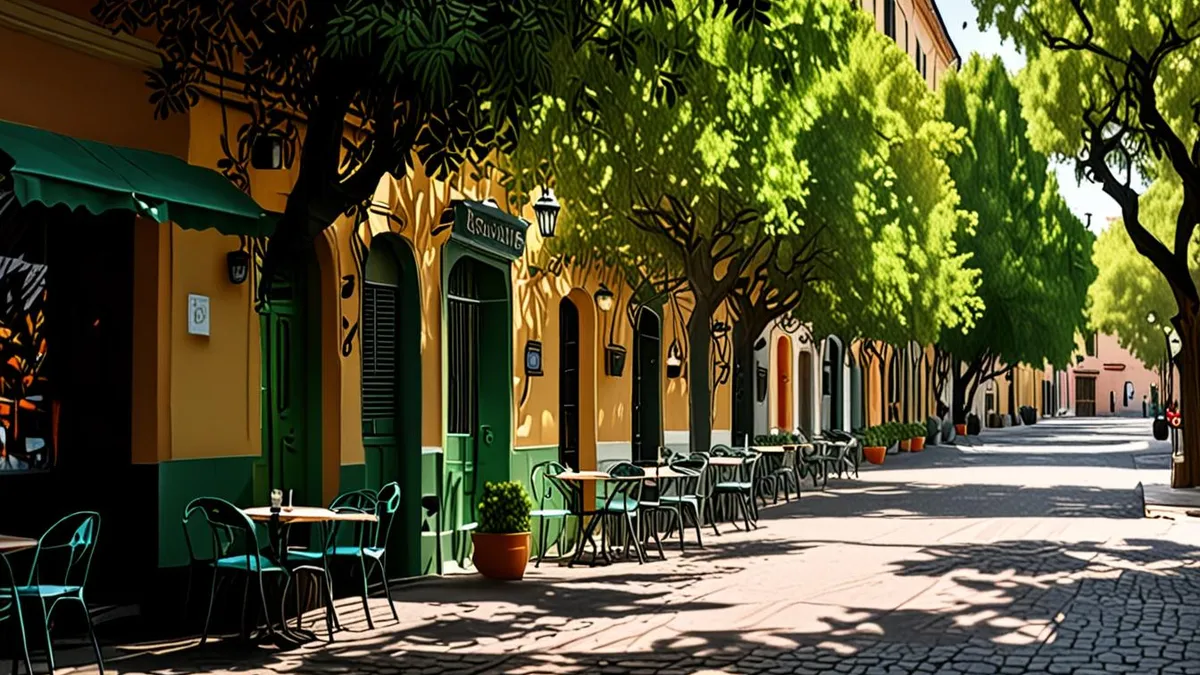
San Telmo is Buenos Aires at its most atmospheric. Colonial mansions, cracked cobblestones and antique shops line streets just 1-2 km south of Plaza de Mayo, which means you can walk to the historic core in minutes. Many boutique hotels here occupy restored townhouses with original tilework, wooden shutters and interior courtyards, giving you more character per peso than almost anywhere else in the city.
What makes San Telmo special
The neighborhood rewards travelers who like culture on their doorstep. Sunday brings the Feria de San Telmo antiques market, which fills Defensa Street right outside many boutique doors, along with street performers and tango dancers. At night, the barrio’s tango halls and old cisterns-turned-bars keep things lively, which is exactly the appeal for some guests and a drawback for others.
- Ask for a room away from the street. Some blocks near the market and the bars get noisy late into the night, and the old buildings rarely have modern soundproofing.
- Rates leave room in the budget. Prices typically run USD 80-160, below Palermo for similar character, so you can spend the difference on dinner and a tango show.
- Shops close on non-market days. Many antiques dealers only open around the Sunday fair, so plan browsing accordingly and enjoy cafes the rest of the week.
San Telmo suits culture seekers above all. If your ideal day ends with live tango a few steps from your hotel rather than a long taxi ride home, this is your barrio.
Recoleta and Retiro: Elegant and Quiet
Recoleta sits about 2-3 km north of downtown, and the change is noticeable the moment you step off the Subte. Wide avenues give way to French-style mansions, leafy plazas and cafés with proper tablecloth service. Plaza Francia anchors the neighborhood, hosting a well-known weekend crafts market, and the famous cemetery with its ornate mausoleums draws visitors from all over the world.
Retiro: calm streets with quick center access
Just downhill from Recoleta, Retiro charms travelers with its restored belle-epoque buildings and quieter residential blocks. You get a calm base without sacrificing convenience, since downtown is only a short Subte or taxi ride away. The area around the main train station is busier, so look for boutique hotels a few blocks into the residential streets for a more peaceful stay.
These two barrios suit couples and older travelers who prioritize quiet over nightlife. Restaurants here lean toward long, relaxed dinners rather than the all-night bar scene you find in Palermo, and streets stay calm after dinner hours. If your idea of a good evening is a glass of Malbec on a quiet terrace, this is your zone.
On price, boutique rates in Recoleta and Retiro average USD 100-200 in high season. That puts them below Palermo’s top-end properties while still delivering elegance, space and a polished feel. Check current rates before booking, as they shift with demand.
Microcentro and Puerto Madero: Convenience Versus Price
Microcentro is the city’s working heart, and staying here puts you steps from Plaza de Mayo and the Obelisco. For a short stay built around sightseeing, that convenience is hard to beat: you can walk to major landmarks and hop on Subte lines without planning much. The trade-off becomes obvious after office hours, when the district largely empties out and many restaurants and cafés close for the night.
Puerto Madero: waterfront polish, few boutiques
Puerto Madero takes a different approach. Its modern waterfront towers, converted grain silos and sleek restaurants feel more like a business district than a barrio, and the hotel scene reflects that. The area skews toward larger hotels with premium prices, and true boutique options are scarce. You trade neighborhood character for river views and a very walkable boardwalk.
Our honest advice: choose these two zones only if sightseeing logistics matter more than atmosphere. If you are in town for a quick business-adjacent trip, a one-night layover or a packed two-day itinerary, waking up next to the Obelisco saves real time. But if you want to experience Buenos Aires as a place people actually live in, the smaller barrios deliver far more personality for your money. Many travelers split the difference by booking Microcentro for a night or two, then moving to San Telmo or Palermo for the rest of the stay.
When to Book Boutique Hotels in Buenos Aires
Boutique hotels in Buenos Aires follow a fairly predictable seasonal rhythm, and knowing it can save you both money and stress. Because most boutique properties have only 10-30 rooms, a handful of bookings can fill a hotel for an entire week. Unlike large chains, the smallest properties here rarely hold back rooms, so timing matters more than travelers usually expect. Here is how to plan your booking around the calendar.
- Check the season first. High season runs October to March, when the Southern Hemisphere brings spring and summer weather. Expect rates of roughly USD 110-250 per night, and know that the smallest hotels fill their calendars early. If your dates are flexible, shifting your trip by even a few weeks can change what is available.
- Consider the low season for value. May to August brings cooler weather and low-season rates of roughly USD 70-160 per night. If you don’t mind a crisp Buenos Aires winter, this is the easiest time to find a great boutique in a popular barrio at a friendly rate, often without booking far in advance.
- Book 2-3 months ahead for the sweet spots. October-November and March combine pleasant shoulder weather with a full events calendar, so small properties fill first during these windows. Reserving 2-3 months ahead gives you real choice of rooms and neighborhoods instead of whatever is left.
- Don’t count on last-minute deals in peak weeks. A 12-room hotel cannot discount empty rooms the way a 200-room chain can, and during busy weeks it rarely needs to. If you arrive without a booking in high season, expect limited options and higher prices.
One final tip: once you have your dates, book the neighborhood before you book the hotel. Availability in small properties moves fast, and the right barrio matters more than most travelers expect. A room in the wrong zone, even at a great rate, can cost you hours of daily travel.
Wrapping Up Your Buenos Aires Neighborhood Choice
Buenos Aires is enormous, and each barrio can feel like a separate city. That is why the neighborhood you choose matters more than any single hotel on your shortlist. Palermo fits travelers chasing design and nightlife, San Telmo suits history and tango lovers, while Recoleta and Retiro deliver elegance and calm. Pick the zone that matches your travel style first, then shop for the boutique hotel inside it.
Timing shapes both price and availability. High season runs from October to March, and small properties with only 10-30 rooms fill up faster than chains, so booking 2-3 months ahead is a smart habit for the busiest weeks. Get the barrio right, and the rest of your planning falls into place. If this helped you narrow things down, leave a comment or share the article with someone planning their own Buenos Aires trip.