Planning a trip to Iceland usually starts with the same question: should you sleep in Reykjavik itself, or head out into the countryside for a more remote base? It’s a real decision, not just a matter of taste. Where you stay shapes your daily driving, your dinner options and, often, a big chunk of your budget.
This guide walks through the practical side of that choice. We’ll look at why staying in the capital works well for most itineraries, compare the main areas for hotels near Reykjavik, and weigh city hotels against rural guesthouses. You’ll also find seasonal price ranges, realistic booking windows and tips for matching your accommodation to your travel style, whether you’re relying on day tours or driving the ring roads yourself.
Why Staying in Reykjavik Works for Most Iceland Trips
Reykjavik is Iceland’s capital with roughly 140,000 residents, and most of its hotels sit in a compact downtown core. That size works in your favor: restaurants, shops and harborside sights are typically within 15-20 minutes on foot, so you can settle into a hotel and explore most of the city without ever starting the car.
The city also functions as a launchpad for Iceland’s classic day trips. The Golden Circle route starts about 45 minutes from central Reykjavik, and the Blue Lagoon is roughly 45 minutes by car. In practice, that means you can base yourself in one place for a week, take a different excursion each day, and still be back in town for dinner.
Why this matters if you’re not renting a car
If your plan is mostly guided day tours, staying in the city saves you real money and hassle. Nearly all tour operators pick up from central Reykjavik stops, so a countryside base would mean arranging your own transfers back into town each morning. A city hotel keeps the logistics simple: wake up, walk to the pickup point, and let someone else handle the driving on Iceland’s unpredictable roads.
Hotels Near Reykjavik: Comparing the Main Areas
Not all Reykjavik neighborhoods cost the same or offer the same experience. The 101 and 105 postcodes cover the downtown core, where you’re steps from cafes, shops and nightlife but pay the highest rates in the city. The convenience is real: most sights sit within 15-20 minutes on foot, and tour pickups cluster nearby. The trade-off is noise, since weekend street noise can be an issue on busy nights, especially in summer when the party goes on late under the midnight sun.
The harbor and Old Town area sits just to the side of the busiest streets, offering a quieter, still-central option with sea views over Faxafloi bay and easy access to the whale watching docks. A bit further along, the Laugavegur and Hlemmur area gives you nightlife within walking distance without the prime waterfront price tag, plus some of the city’s most design-led guesthouses. And if you have a car, the suburbs open up noticeably cheaper options. Here’s how the main areas break down:
- Downtown (101 and 105): Best for first-time visitors on short trips, since tour pickups and restaurants cluster here; expect to pay a premium for the convenience, particularly in summer.
- Harbor and Old Town: A good middle ground if you want calm evenings but still plan to join whale watching tours or enjoy harbor-side walks and views over the bay.
- Laugavegur and Hlemmur: Popular with younger travelers and couples who want bars and casual eateries nearby, without paying for a downtown address.
- Kópavogur or Hafnarfjördur: These suburbs, roughly 10-20 minutes out by car, cut rates noticeably if you rent a car, and Hafnarfjördur has its own small-town charm with lava fields on its doorstep.
Countryside Stays vs City Hotels
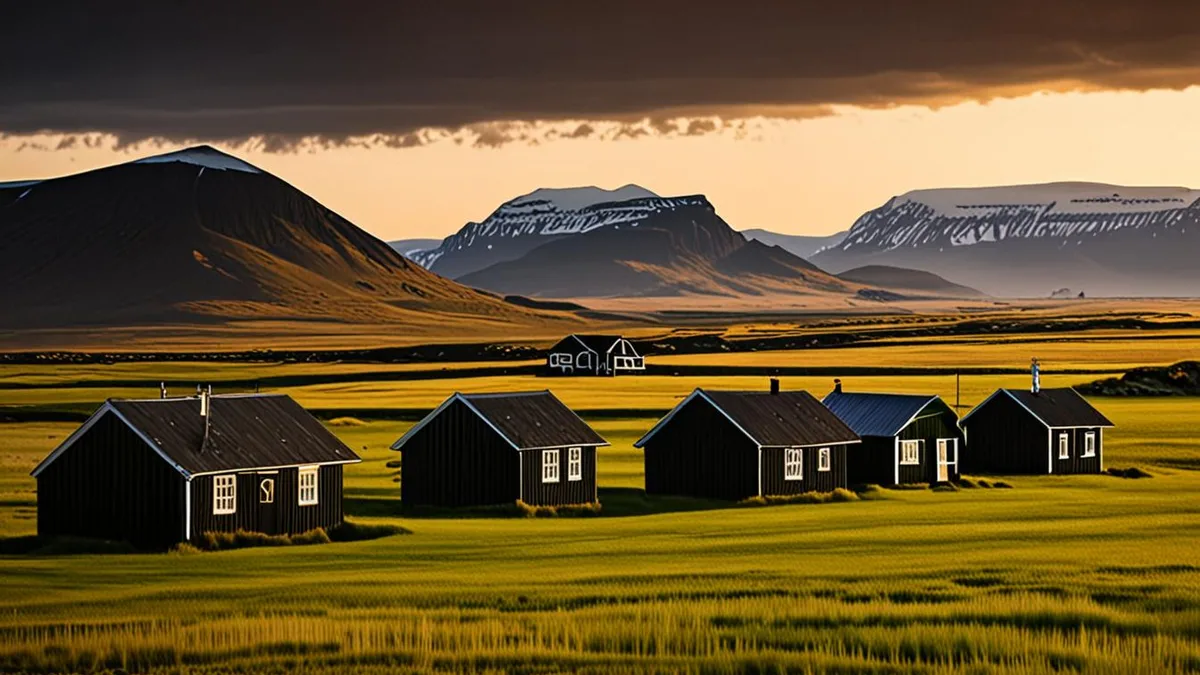
Rural hotels and guesthouses within an hour of Reykjavik have one clear advantage: northern lights viewing away from city light pollution, possible from September to March. Step outside your guesthouse on a clear winter night and the aurora can appear directly overhead, something you’d rarely manage from a downtown street.
Which base fits your itinerary
Countryside bases suit road-trippers driving the south coast or the Golden Circle, since you’re already pointed in the right direction each morning. City hotels, on the other hand, fit travelers relying on day tours, because operators pick up from central Reykjavik and handle the driving for you. Mixing the two is also an option: a few nights in town followed by a couple in the countryside gives you both convenience and dark skies.
Be realistic about what rural stays offer. Expect simpler amenities and fewer dining options outside the city, and note that many rural guesthouses require dinner reservations on site, sometimes earlier in the day. If you arrive late without having called ahead, you may find the kitchen has already closed, so plan your arrival time and meal plans before you set off.
How Seasonal Prices Shape Your Budget
Reykjavik hotel prices swing more than most travelers expect, and the calendar is the main reason. During high season, June to August, the city enjoys near-24-hour daylight and rates in central Reykjavik often reach $200-400 per night. You are paying a premium for the midnight sun, festivals and the easiest driving conditions of the year. Demand from road-trippers and tour groups keeps even modest rooms near the top of that range, so flexibility matters.
From November to March, rates drop to roughly $100-200 per night. Winter also brings the chance of northern lights, which are possible from September to March, so the cheapest months double as aurora season. The trade-off is shorter days, snow and the occasional storm that reshuffles your plans. Build a buffer day into any winter itinerary.
For most trips, the shoulder months of May and September hit the sweet spot: lower prices than summer, milder weather than deep winter and enough daylight to cover a full day of sightseeing without rushing.
- Midweek stays in summer can cost noticeably less than Friday and Saturday nights in the same downtown hotel, so shifting your arrival by a day or two stretches a summer budget further.
- September often combines aurora chances with shoulder-season rates, letting you chase northern lights without paying high-season prices.
- Winter rates climb around holidays and aurora-season weekends, so a Tuesday arrival in February can cost far less than the same length of stay over a weekend.
- Rooms with harbor or mountain views tend to sit at the top of each season’s price range, while standard interior rooms in the same hotel offer the biggest savings.
When and How to Book
Reykjavik has a limited hotel stock for a capital city, and it sells out first in July and August. For summer stays, book 3-6 months ahead. Waiting until spring for a July trip usually means paying top rates or settling for whatever rooms remain in less central areas.
Winter is more forgiving. A 1-2 month lead time is usually sufficient for a November through March trip, though weekends during northern lights season fill faster than midweek dates. If your heart is set on a specific downtown hotel for a Friday and Saturday night in February, book earlier rather than later.
Why free cancellation matters here
Iceland’s weather can force itinerary changes. A storm may delay a south coast drive, close a mountain road or push your northern lights tour to another night, and a rigid, non-refundable room turns a small disruption into a costly one. Free-cancellation rates typically cost a small premium over the cheapest rate, and in Iceland that premium is usually money well spent. Read the cancellation deadline carefully, as many bookings allow free changes only until a set number of days before arrival, then lock in. If your trip depends on guided tours or a rental car, book those first and choose a hotel rate that flexes with them.
Choosing the Right Stay for Your Travel Style
The best hotel in Reykjavik depends less on star ratings and more on how you travel. Match your base to your itinerary and the city becomes easy; pick the wrong area and you spend the trip compensating with taxis and long detours.
If it is your first visit and you will not rent a car, prioritize downtown hotels. Most day tour pickups happen at central bus stops, restaurants cluster within a short walk, and the compact layout means you rarely need transport once you have checked in. Staying central keeps evenings simple after a full day on the Golden Circle or south coast.
Couples chasing atmosphere should look at boutique options in the Old Town or design-led stays near Laugavegur, where you get character and walkable nightlife without needing a car. Families and travelers on longer stays often get better value from apartment-style hotels or guesthouses with kitchenettes in quieter neighborhoods, since preparing a few meals offsets Iceland’s restaurant prices.
- If you rent a car, check whether parking is included before booking, because downtown parking adds a real nightly cost that can erase a room discount.
- Ask about room configuration when traveling with kids, since many Icelandic hotels cap occupancy at two and family rooms are scarcer than standard doubles.
- Light sleepers should request a room facing an inner courtyard or side street, as downtown nightlife noise carries late on summer weekends.
- Guesthouses with shared kitchens in quieter areas let you cook breakfast and pack lunches for day tours, a meaningful saving over eating out three times a day.
Wrapping Up Your Reykjavik Stay Plan
Choosing between Reykjavik and the countryside really comes down to one question: what does your itinerary look like? If you’re joining guided day tours or want cafes and sights on foot, the compact downtown is hard to beat. If you’re renting a car and chasing the northern lights or the south coast, a rural guesthouse may fit better and often costs less.
Budget and timing close the loop. Summer runs $200-400 per night in central Reykjavik, while November to March drops closer to $100-200, with the shoulder months of May and September offering a solid middle ground. Book summer stays 3-6 months ahead and winter trips about 1-2 months out, and lean on free-cancellation rates where you can. With the right area and timing, your Iceland base sets the tone for the whole trip. If this helped you plan, leave a comment or share the article.