Scroll through any booking site and you’ll see the words lodge, cabin and chalet used almost interchangeably. A “cozy mountain chalet” turns out to be a one-room cabin, while a “rustic cabin” is actually a 60-room lodge with a spa. If you’ve ever booked one and arrived to find something completely different, you’re not alone.
This guide breaks down the lodge vs cabin vs chalet question so you can pick the right stay type before you pay. We’ll define what each one actually is, match them to solo trips, group ski weeks and family holidays, look at how season and weather affect each option, compare real price ranges, share booking timing tips, and match each stay type to the destinations where it works best. A quick decision summary at the end pulls it all together.
What Defines a Lodge, a Cabin and a Chalet
The three stay types differ mainly in size, services and how much you cater for yourself. Getting these definitions straight makes every later decision—budget, booking timing, destination—much easier.
Lodges: full-service properties
A lodge is the largest of the three, typically sleeping 20 to well over 100 guests across multiple rooms or suites. What sets it apart is the shared infrastructure: an on-site restaurant, often a spa or pool, and an activity desk that arranges guided hikes, wildlife drives or ski lessons. Most lodges operate like small hotels with a strong sense of place, whether that’s a national park gateway or a mountain valley.
Cabins and chalets: the self-contained options
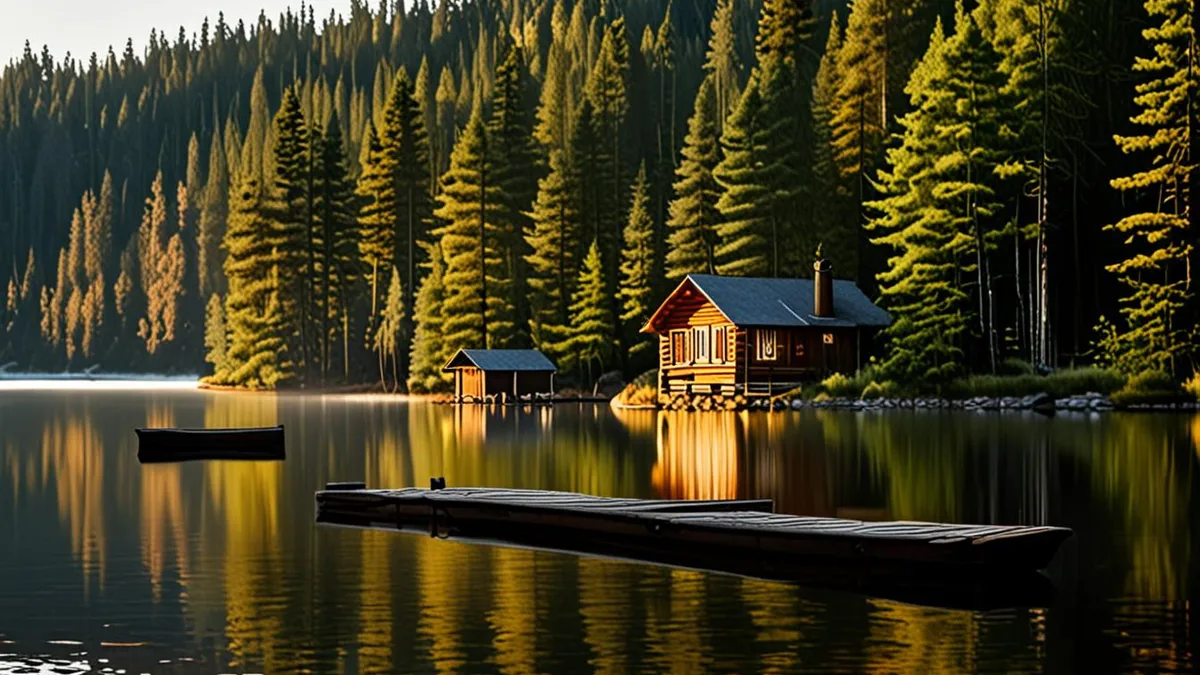
A cabin is a small, self-contained wooden stay built for 2-6 guests. You get your own kitchen or kitchenette, usually your own fire pit or porch, and no shared facilities—cabins are usually self-catering, so you shop, cook and clean for yourself. Think of it as a private little house in the woods or by a lake.
A chalet is an alpine-style house designed for 6-12 guests, traditionally built for ski trips. Unlike a cabin, a chalet often comes with catering or even a live-in host during ski season: breakfast and dinner cooked for you, log fires lit, and local knowledge on tap. Some chalets are let as whole properties for one group; others sell individual rooms in a shared house.
Lodge vs Cabin vs Chalet by Trip Style
The best stay type depends less on the building and more on who’s traveling and what the trip is for. A romantic weekend and a ten-person ski week need completely different setups.
Solo travelers and couples usually get the most out of a cabin. You get total privacy, a kitchen for simple meals, and nightly rates of roughly $100-$250—no need to pay for a restaurant, spa or activities desk you won’t use. If your idea of a good trip is quiet mornings on a porch and cooking your own dinner, a cabin is hard to beat.
Group ski trips are classic chalet territory. With 6-12 beds under one roof, a shared living room for evenings, and catering starting from around $200-$600 per person, a chalet turns a ski week into a house-party style holiday where nobody argues about who’s driving to dinner.
Families and activity-based holidays fit the lodge model. On-site dining removes the “where do we eat with tired kids” problem, and guided excursions book directly at the property.
- Cabin bonus: many come with private extras like hot tubs, fire pits or lake access, so you pay for facilities you actually use rather than shared amenities you don’t.
- Chalet bonus: a live-in host in ski season often handles everything from airport transfers to dinner reservations, which matters when your group has mixed skiing abilities and energy levels.
- Lodge bonus: kids’ programs and structured activities mean parents get downtime, something neither cabins nor chalets typically provide.
Season and Weather Fit for Each Stay Type
Each stay type has a season where it performs at its best, and knowing that window saves you both money and disappointment.
Chalets: a winter-first stay type
Chalets are built around the ski calendar, peaking from roughly December to April in the Alps and Rockies. That’s when catering staff, hosts and shuttle services are fully in place. In summer, many chalets close entirely or discount heavily, because the whole model—cozy fires, hot meals after a day on the slopes—loses its appeal without snow. If you want a summer mountain base, check whether your chalet actually operates, or look at a lodge instead.
Cabins and lodges: the warmer calendar
Cabins hit their stride from June to September across North America, when lake swimming, hiking and forest trips are at their best. A self-contained cabin with a kitchen and porch makes perfect sense in that window—though summer weekends book out fast, as we’ll cover later. Shoulder months can be lovely too, but some lake-region cabins reduce services or close facilities outside peak season.
Lodges are the most weather-proof of the three, operating nearly year-round by shifting their focus with the seasons: ski packages in winter, guided hiking in summer, and wildlife viewing when the animals oblige. The restaurant, spa and activity desk keep running regardless of what’s outside, which makes a lodge the safest pick if your dates are fixed but your activities are flexible.
Budget Breakdown: Real Price Ranges
Price tags can be misleading when you compare stay types, because each one bundles costs differently. A cabin looks cheap on the surface, and that impression is usually honest: you pay the rental, plus a cleaning fee in some cases, and everything else is on you. There are no resort fees, no service charges and no pressure to add paid extras on site.
Lodges sit in the $150-$400 per night range, which sounds higher until you look at what is included. Many lodges bundle meals, spa access or guided tours into the rate, so the sticker price covers more of your actual trip. If you would have paid for dinner and an excursion anyway, the gap between a lodge and a cabin narrows fast.
Catered chalets are the trickiest to judge. At $200-$600 per person, they look expensive next to any nightly rate, but that figure typically covers your bed, most of your meals and often airport transfers. Divide it out across a week and compare it to what your group would spend on restaurants, groceries and taxis, and the value case becomes much clearer.
- Cabins reward self-caterers: with a kitchen included, your food budget stays in your own hands, and cooking group dinners can bring the real per-person cost well below the nightly rate suggests.
- Lodge bundles favor convenience seekers: when breakfast, dinner and a guided activity are folded into the rate, you skip daily planning, and the effective price per included service is often lower than booking each one separately.
- Chalet math works best with full groups: the $200-$600 per person range assumes the chalet is filled; empty beds push the cost onto fewer guests, so the per-person figure only holds if everyone on your list actually commits.
- Watch the chalet’s fine print: some catered chalets exclude drinks, lift passes or lunch on non-ski days, so ask exactly which meals and transfers are covered before you compare prices.
How to Book Each Stay Type
Booking windows differ more between these three stay types than most travelers expect, and getting the timing wrong is the most common way people lose the stay they actually wanted. A group that waits until autumn to reserve a ski chalet for the winter season will often find only scattered midweek slots left, while a couple browsing cabins in July may discover that every lakeside weekend until September is gone. The good news is that the rules are simple once you know which type of property you are dealing with. Each one follows its own rhythm, driven by season length, group size and how much demand concentrates on a handful of peak weeks. Below is a practical booking sequence that works for all three, ordered by how urgently each one needs your attention.
- Lock in your chalet first if it is a ski trip. Peak-season chalets, especially whole-property rentals for December to April, sell out first and should be reserved 4-6 months ahead. Larger groups competing for the same weeks make early December, Christmas and February half-term the toughest dates to secure.
- Target midweek dates for summer cabins. Cabins book fastest for June-September weekends, when lake and hiking demand peaks. Shifting your stay to a Tuesday-through-Thursday window opens up far more availability and often better rates.
- Book lodges with more flexibility, but confirm activities immediately. Lodges usually have more rooms and operate nearly year-round, so lead time matters less. The catch is that guided excursions, spa slots and on-site dining fill up independently of rooms, so request those at the moment you book, not after arrival.
One extra habit worth building: whatever type you choose, reconfirm your booking and any added services a couple of weeks before arrival. Small properties change hands, adjust staffing or shift activity schedules between seasons, and a quick email or call catches problems while there is still time to fix them. It also gives you a chance to double-check arrival instructions, since remote cabins and lodges sometimes have check-in details that differ from what you expect. Finally, check current availability, cancellation terms and any added fees with your operator, since policies vary by property and can change from one season to the next.
Matching the Stay to Your Destination
The right stay type often depends less on your budget and more on the landscape you are traveling to. Each accommodation style grew up in a specific environment, and it still performs best there. Matching the two saves you from booking a property that fights its surroundings instead of embracing them.
Forest and lake regions favor cabins and wilderness lodges over chalets. Cabins fit naturally among trees and shorelines, giving you a private base steps from the water or trailhead, while wilderness lodges add guided excursions and dining for longer nature-focused stays. Chalets, with their steep roofs and alpine proportions, rarely appear in these settings and rarely make sense there either.
High alpine terrain is chalet country
Steep mountain valleys, ski lifts and heavy snow are where chalets and mountain lodges belong. The alpine architecture exists for a reason: pitched roofs shed snow, and the layout suits groups settling in for a week of skiing. If your destination is above the tree line or built around a ski resort, a chalet or mountain lodge will feel native to the place in a way no other stay type can.
Jungle and coastal destinations run on the lodge model
Tropical destinations rarely use cabins or chalets at all. Instead, they rely on lodges with open-air designs, wide verandas and shared dining spaces that let the landscape in. In jungle settings especially, the lodge model works because guides, meals and boats are bundled on site, and moving between scattered attractions is far easier from one staffed base. If you are weighing a rainforest trip, it helps to see how this plays out in practice, and our guide to Costa Rica jungle lodges shows what the lodge model looks like when it is done well.
The Quick Decision Summary
If booking sites have left you guessing, here is the short version. Cabins fit couples and small budgets, with nightly rates around $100-$250 and space for 2-6 guests. Chalets fit ski groups of 6-12 who want shared living space and catering, and who book 4-6 months ahead for the December-April season. Lodges fit families and activity-based trips that want dining, spas and guided tours all in one property.
Match the stay to the trip rather than the label on the listing, and the choice becomes simple: privacy points to a cabin, the mountains with friends point to a chalet, and everything-organized points to a lodge. If this helped you decide, leave a comment or share the article with your travel group.