Torn between a stargazing dome and a classic canvas safari tent? You are not alone. Many travelers fall for photos of both, then realize they have no idea which style actually fits their destination, the season they are traveling in, or how much comfort they really need at night. That is exactly the problem this guide to glamping domes vs safari tents solves.
We will walk through the core differences between the two structures, then look at weather and seasonality, comfort and sleeping setups, and the locations where each style genuinely shines. You will also find a price comparison with booking lead times, a quick decision checklist, and a bottom-line summary to help you commit. By the end, you should know whether your next trip calls for a transparent ceiling under the stars or a breezy veranda overlooking the savanna.
Glamping Domes vs Safari Tents: The Core Differences
At first glance, both options promise a night under canvas or clear plastic far from a standard hotel room. But the structures themselves could hardly be more different, and that difference shapes everything from your comfort to the view above your bed.
What a glamping dome actually is
A glamping dome is a rigid geodesic structure, usually built from triangular panels that lock together into a curved shell. Domes sit on fixed platforms with solid floors, and most come with real insulation in the walls. Many also feature transparent ceiling panels, so you can lie in bed and watch the stars without stepping outside.
What defines a safari tent
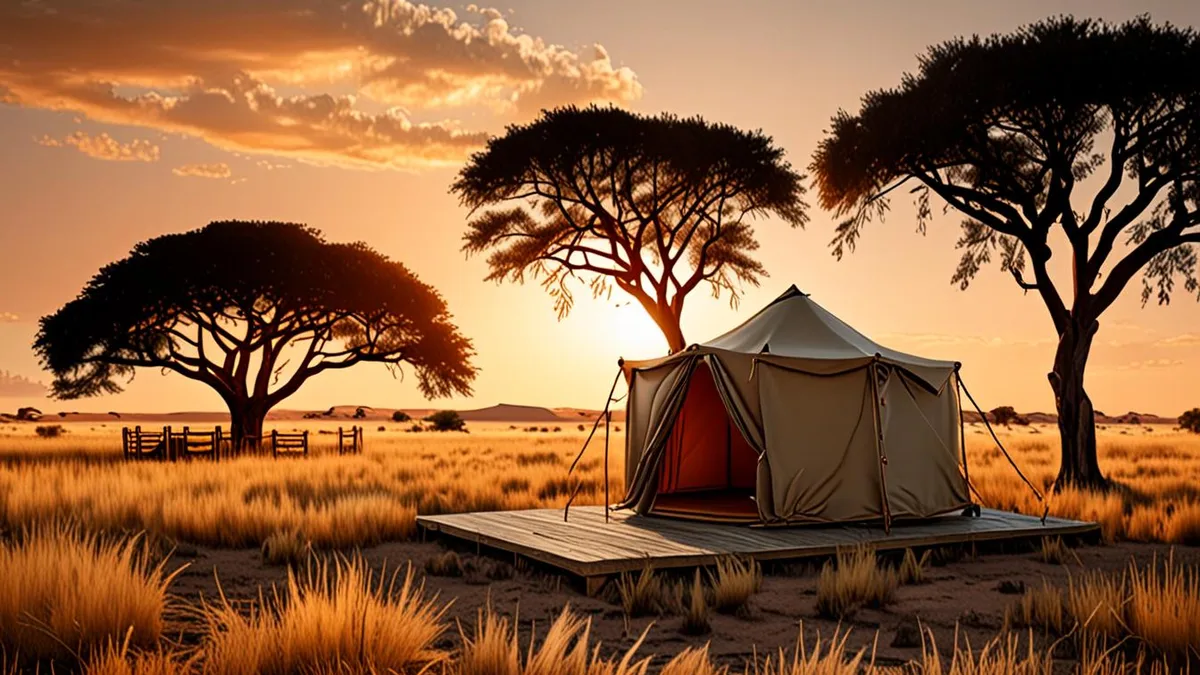
A safari tent is a heavy canvas structure stretched over a frame, typically raised on a wooden deck. The design is all about airflow: roll-up sides, mesh windows and wide verandas keep air moving in warm climates. This is the classic bush setup, built to make you feel part of the landscape rather than sealed away from it.
So which direction should you lean? Domes favour all-weather comfort, thanks to their insulated shells and solid construction. Safari tents favour open-air immersion in warm, dry climates, where the breeze and bush sounds are the whole point. Neither is better in absolute terms; the right choice depends on where you are going and what you want from the experience.
Weather and Seasonality: When Each Stay Type Shines
Weather is the single biggest factor separating these two stay types. One is built to shrug off cold and rain; the other is happiest when the skies stay dry.
How domes handle tough conditions
Domes cope with cold and rain remarkably well. With proper insulation and heating, they stay comfortable in temperatures down to about -10°C, which makes them a strong pick for mountain regions, winter escapes and shoulder-season trips when the forecast looks unreliable. The rigid shell also means a night of rain is a non-event rather than a worry.
When safari tents are at their best
Safari tents perform best in dry seasons, roughly May to October in East Africa and southern Africa. This is when canvas stays dry, decks are pleasant for barefoot mornings, and wildlife viewing is at its peak around water sources. The open canvas design that makes these tents so atmospheric depends on good weather to work.
That dependence is also the safari tent’s weakness. Canvas can leak and mildew in prolonged wet weather, so it is wise to avoid safari tents in monsoon months. If your travel dates fall in a region’s rainy season, a dome will keep you comfortable while a tent may leave you listening to drips and smelling damp fabric. Check the rainfall patterns for your specific destination before booking either style.
Comfort, Space and Sleeping Setups
Both styles offer far more comfort than a pup tent, but the layouts and amenities differ in ways that matter for your group.
Most safari tents sleep 2 to 4 guests, with real beds, en-suite bathrooms and a private veranda where you can watch the landscape with your morning coffee. The feel is closer to a hotel room wrapped in canvas, though without serious climate control; you trade air conditioning for breezy open canvas and ceiling fans.
Domes run smaller to larger across a clear range: typical diameters span 4 to 7 meters, giving you 12 to 40 square meters of floor space. Family domes often accommodate 4 to 6 guests, which makes them a practical choice for groups that struggle to fit into standard tent layouts. Many domes also add wood stoves for chilly nights and skylights above the bed for stargazing.
A few extra details worth knowing before you compare specific properties:
- Bed configurations vary widely. Some safari tents offer twin beds that can be converted to a double, while family domes often combine a king bed with bunk beds or futons for children.
- Bathroom setups differ. Many safari tents include outdoor or semi-open showers as part of the bush experience, while domes almost always have fully enclosed en-suite bathrooms.
- Power and lighting. Domes on fixed platforms usually have reliable mains electricity, whereas some remote safari tents run on solar power with limited charging points.
- Furniture footprint. In a 12-square-meter dome, luggage space is tight for four people, so check floor plans before assuming the maximum occupancy feels comfortable.
Location and Experience: Where Each Style Fits Best
The location you pick often decides the accommodation style for you. Safari tents belong in wildlife reserves and savanna landscapes, where the whole point of the trip is hearing lions call at dusk, waking to birdsong through canvas, and stepping onto your veranda with the bush a few meters away. Game drive schedules, morning coffee delivered to your deck and open-air dinners all fit naturally with a tented camp.
Domes, on the other hand, shine in mountains, forests and dark-sky areas. Their transparent ceiling panels turn the accommodation itself into the experience: you lie in bed watching stars, snowfall or forest canopy overhead. Dome resorts cluster in alpine regions, lake districts and remote valleys where the night sky is the main draw rather than the wildlife.
Think About Noise and Privacy
Canvas walls carry sound. In a safari tent you will hear neighboring campers, staff walking past and every animal that wanders through camp at night, which is part of the charm but not ideal for light sleepers. Domes feel more enclosed and private, with solid insulated walls that muffle outside noise and shield you from neighboring decks. If privacy and quiet rank high on your list, a dome usually wins; if you want to feel immersed in the sounds of the bush, a tent is hard to beat.
Price Comparison and Booking Lead Times
Price differences between the two styles are real, and they matter when you plan a multi-night stay. Safari tents typically range from $150 to $600 per night, with the upper end covering luxury tented camps inside well-known reserves. Dome resorts sit higher, at roughly $300 to $900 per night, reflecting the insulated structures, heating and often more remote locations. Over a four or five-night trip, that gap adds up quickly, so it pays to decide early which style fits your budget and your destination before you fall in love with a specific property.
Lead times differ too. Safari tents in popular reserves sell out early for peak dry-season dates, so booking 6 to 12 months ahead is the safe approach. Domes are often available on shorter notice outside the winter holidays, though Christmas and New Year weeks fill up fast and deserve early planning. If your dates are flexible, ask properties about midweek rates or shoulder-period openings, as both styles frequently discount nights that fall outside the busiest windows.
One more money-saving tip: compare the total cost of your stay, not just the nightly rate. A dome that looks expensive at first glance may work out cheaper once meals and transfers are included. Before you commit, run through these booking details:
- Minimum stay rules: Many tented camps and dome resorts require two or three nights, especially over holiday weeks, so factor that into your total cost rather than judging by the nightly rate alone.
- Seasonal rate swings: The same safari tent can move between the low and high ends of its range depending on whether you travel in dry season or green season, so shifting your dates by a few weeks can cut the price noticeably.
- What is included: Some dome resorts and tented camps bundle meals, game drives or airport transfers into the rate, while others charge separately, and this can swing the real cost more than the headline nightly price.
- Deposit and cancellation terms: Remote glamping properties often ask for larger deposits and have stricter cancellation windows than standard hotels, so read the terms before booking far ahead.
How to Choose: A Quick Decision Checklist
Choosing between a dome and a safari tent gets much easier when you break the decision into a few simple questions. Your travel dates, your group size and the kind of experience you want will usually point clearly to one style. Rather than getting distracted by photos, work through the steps below in order. Each one narrows the field, and by the end you will know exactly which style fits your trip.
- Check your travel dates first. If you are traveling in cold or wet months, choose a dome. Thanks to insulation and heating, a dome stays usable even when the thermometer drops well below freezing, while canvas tents are a poor match for rain and cold.
- Match the style to your main activity. Chasing a wildlife safari in the May to October dry season? A safari tent matches the setting, with the bush sounds, verandas and camp atmosphere that define a classic safari.
- Count your group. Traveling with 4 to 6 people? Look at family domes, which are built for larger layouts. Couples wanting verandas and bush views suit safari tents instead.
- Weigh comfort against atmosphere. If stargazing through a transparent ceiling and steady indoor temperatures appeal most, lean dome; if the open-canvas bush feel is the reason for the trip, lean tent.
Once you have answers to these questions, the choice usually makes itself. Write down your dates and headcount before you start browsing, because properties in popular areas sell out their best units first. Confirm availability early for peak dates, compare what each property includes in its rate, and book the style that matches your season and group rather than the one that simply looks best in photos. A short email to the camp or resort asking about heating, bedding and what is provided will also save you surprises on arrival.
The Bottom Line for Your Glamping Trip
So which one should you book? If your trip falls in cold or wet months, a glamping dome is the safer bet, with insulation and heating keeping things comfortable down to about -10°C. Domes also win on stargazing through transparent ceiling panels and on space, since family domes sleep 4 to 6 guests. Safari tents take the prize for atmosphere: nothing beats falling asleep to bush sounds on a raised wooden deck, and their $150 to $600 nightly range usually undercuts dome resorts at $300 to $900.
The simplest way to decide is to match the stay type to your destination, season and group size. Dry-season safari in May to October points you toward a tent; mountain or dark-sky escapes point you toward a dome. If this helped you choose, leave a comment or share the article with your travel crew.