You land at 9:00 AM, bleary-eyed and ready for a shower, only to learn your room won’t be ready until mid-afternoon. Or your flight leaves at 8:00 PM, but the front desk wants you out by noon. These gaps between hotel check-in and check-out times and your actual travel schedule are one of the most common annoyances in travel, and the good news is that most hotels have more flexibility than they advertise.
This guide walks you through how standard check-in and check-out windows work, how to arrange an early arrival, and how to keep your room for a few extra hours on departure day. We’ll also cover what to do with yourself and your luggage when timing doesn’t line up, how arrival times work at homestays, hostels and self-check-in apartments, and a simple way to plan it all so hotel times never dictate your day again.
Standard Hotel Check-In and Check-Out Times Explained
Most hotels around the world set check-in between 3:00 and 4:00 PM and check-out between 11:00 AM and 12:00 PM. If you’ve ever wondered why you can’t walk in at noon and collapse into bed, the answer is housekeeping. Turning a room over between guests typically takes 30-45 minutes per room, and on a busy changeover day a housekeeping team may need to clean dozens of rooms in a matter of hours.
Why times vary by property
Not every hotel follows the same schedule. Resorts and luxury properties often use later check-out times, sometimes up to 12:00 PM or 1:00 PM, partly because guests tend to stay longer and arrive on their own rhythm. Smaller city hotels, on the other hand, may run an even tighter turnaround to squeeze in as much occupancy as possible.
The single most useful habit you can build is checking your confirmation email for the exact times. They vary by property, and they can even differ from what a booking site displays. A quick look before you book your flights can save you hours of waiting in a lobby with a suitcase.
How to Arrange Early Check-In
If you know you’ll arrive before the standard check-in window, don’t leave it to chance at the front desk. Request early check-in 24-48 hours in advance by calling or emailing the hotel directly. A direct request gives staff time to flag your reservation, and front desks genuinely try to accommodate guests who ask politely ahead of time rather than showing up unannounced. When you call, have your confirmation number handy and explain why you need the early room, whether it’s a red-eye flight or a tight schedule.
Timing matters as much as asking. Early arrival is least likely on weekends and holidays, when the previous night is fully booked and every room needs a full turnover. On a quiet Tuesday, by contrast, there’s a decent chance your room category is free and ready by late morning. If your first request is declined, ask the front desk to note your arrival time anyway and call you if a room opens up.
- Book the night before: If a guaranteed early arrival is essential, booking a room for the night before guarantees access from the moment you arrive, at full nightly rate. It’s the priciest option, but it removes all uncertainty, especially after a long-haul overnight flight.
- Use loyalty perks: Some loyalty programs and higher room categories include guaranteed early check-in as a benefit. If you hold status with a hotel chain, check your program terms before paying for an extra night.
- Mention your arrival time when booking: Adding a note in your reservation, such as a morning arrival, helps the front desk plan and sometimes prompts them to reach out if an early room is available.
Getting a Late Check-Out
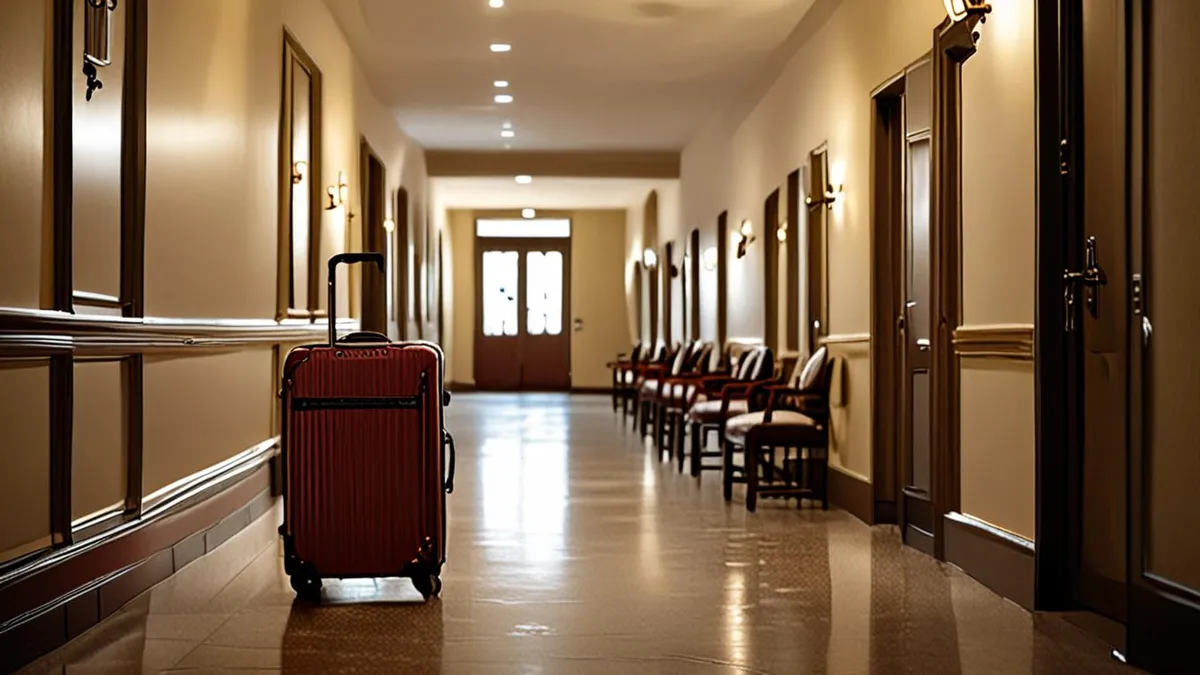
The end of your stay is often where hotels show the most flexibility, if you ask the right way. Rather than requesting late check-out when you book or at arrival, try asking at the front desk the evening before. At that point staff know the next day’s arrivals and departures, and a polite request often secures 1-2 extra hours free of charge, which is usually plenty of time for a shower, a lie-down and a final pack.
When you need the room all day
If you have a late-evening flight, a couple of extra hours won’t cut it. A full-day late check-out, keeping the room until around 6:00 PM, typically costs 30-50% of the nightly rate. That’s often a fair price compared with booking a whole extra night, but it’s worth confirming the cost the night before so you can decide whether it beats other options.
Your odds improve with two things: timing and status. Late check-out is easiest on low-occupancy days, usually midweek, when few new guests are arriving. And status members and direct bookers are more often granted late departures without fees, since hotels prioritize guests who booked with them directly and reward loyalty. If you have neither, asking the evening before remains your best move.
What to Do When You Arrive Before Check-In
Landing in a city at 8:00 AM with a 3:00 PM check-in can feel like wasted time, but it doesn’t have to be. Hotels deal with early arrivals every day, and most have a simple routine for handling them. Knowing how that process works helps you turn the waiting hours into a genuinely useful part of your trip, whether you have two hours to fill or nearly a full morning. A little preparation before you even leave the airport makes the whole experience smoother.
- Drop your bags at the front desk. Luggage storage is standard at hotels and usually free, so you can hand over your suitcase the moment you arrive and start your day unburdened. Get a receipt or claim tag if you have valuables inside, and keep essentials like chargers and medication with you.
- Make plans for the gap hours. A nearby lunch, a walk through the neighborhood or a sightseeing stop you had penciled in for later all work well here. Since you already know your arrival time when you book, you can plan this window in advance instead of improvising at the desk.
- Ask for an ETA on your room. Staff can often tell you roughly when housekeeping will finish your room, and many will call or message you when it’s cleaned. If you give them a phone number, you can wander freely instead of hovering in the lobby.
- Use the hotel’s facilities. Some hotels offer gym or pool access to guests who are waiting, which is a courtesy worth asking about. A swim or a shower after a red-eye flight can be nearly as good as the room itself.
One thing to keep in mind: early arrival is a request, not a right, and on busy weekends and holidays the odds of an immediate room drop sharply. Approach the desk with a flexible plan rather than an expectation, and the waiting time becomes a bonus instead of a frustration. If a guaranteed room on arrival really matters for your trip, it’s better to arrange it with the hotel ahead of time than to hope for the best at the front desk.
Making the Most of the Hours After Check-Out
Check-out usually happens in the late morning, which means your final day can stretch long before you actually leave. The trick is to treat check-out as a handover of your bags, not the end of your stay. With a little planning, you can keep exploring right up until your transfer to the airport.
The simplest move is to leave your luggage with the bell desk after you settle your bill. You walk around the city hands-free, and you pick everything up on your way out. This works especially well if your last day is built around neighborhoods near your hotel rather than across town.
If you want somewhere to rest or freshen up, some properties sell day-use or half-day room extensions. These let you keep a room for a few afternoon hours to shower, nap or repack before a late departure, often at a fraction of a full night’s price. Availability varies, so ask at the front desk the day before.
- Book a late-evening flight when you can. Since most hotels want rooms vacated by late morning, an evening departure gives you a full final day of sightseeing instead of a rushed morning.
- Ask about day-use rates when booking, not on arrival day. Some hotels list these options in advance, and knowing beforehand helps you decide whether to book a room extension or rely on luggage storage alone.
- Confirm luggage pickup cut-off times. If you return to the hotel close to your airport transfer, check when the bell desk closes and who holds your bags after hours, so you’re not racing the clock.
- Plan your last hours near the hotel. A final café, park or souvenir stop within a short walk makes it easy to collect your bags and reach your transfer without stress.
Handled this way, your last day feels like part of the trip rather than a long wait. A little coordination with the front desk the evening before is usually all it takes.
Check-In Times at Alternative Stays
Not every stay follows the standard 3:00-4:00 PM check-in model, and that’s where many travelers get caught out. Homestays, guesthouses, hostels and self-check-in apartments each handle arrivals differently, and the rules are set by individuals rather than a front desk shift. A quick message ahead of time solves almost every issue.
Homestays, guesthouses and hostels
Homestays and guesthouses often set flexible, personally arranged arrival windows instead of fixed times, because you’re dealing with a host who may also be cooking dinner or picking up kids from school. Small properties like these can be wonderfully welcoming; if you’re considering that style of stay, browsing options such as homestays in Lisbon for a stylish city break gives you a feel for how personal the arrangements can be. Hostels, by contrast, commonly check guests in from the early afternoon, sometimes as early as 1:00 PM, and they’re used to travelers arriving at odd hours, so late arrivals are rarely a problem as long as you warn them.
Self-check-in apartments
Self-check-in apartments rely on key codes or lockboxes, so arrival time matters less in theory. In practice, you still need to communicate, because hosts may need to finish cleaning, send you updated codes or meet you in person for building access. Message your host a few days ahead to agree on an arrival window, especially for evening arrivals when nobody is around to answer a knock on the door. Include your flight number or rough arrival time, and ask whether the code changes or the lockbox location needs explanation. Ten minutes of messaging before your trip saves you from standing outside an apartment building with no signal and no plan.
Planning Around Hotel Times With Ease
The answer to the arrival and departure dilemma is simpler than it first appears. Most hotels stick to a 3:00-4:00 PM check-in and an 11:00 AM-12:00 PM check-out, but those times are starting points, not walls. A quick request made 24-48 hours ahead, a midweek stay, or a friendly word at the front desk covers most early and late situations, and luggage storage at the front desk, usually free, bridges the gap on both ends of your trip.
So if you land hours before your room is ready or your flight leaves long after check-out, you have real options: ask in advance, store your bags, and plan a few hours around the neighborhood. Nothing about hotel times has to derail your day. If this guide helped you plan a smoother arrival or departure, leave a comment or share it with a fellow traveler.