Picking where to stay in Greece is harder than it sounds. With hundreds of islands scattered across the Aegean and Ionian seas, it is easy to book a villa on an island that is wrong for your trip: too small for a two-week stay, too far from a beach, or too busy for the quiet week you had in mind. A villa holiday rewards a different kind of planning than a quick hotel stop.
This guide walks you through the decision step by step. We compare the headline islands of the Cyclades with the space and value of Crete and other large islands, look at quieter alternatives, and cover the best time to book, what villas typically cost, and how to judge a listing before you commit. By the end, you should know which island matches your group, your budget and your pace.
How to Choose Where to Stay in Greece for a Villa Holiday
The first question to answer is not which island, but what kind of holiday you want. If you want buzz — beach clubs, crowded sunset spots and a social scene — Mykonos and Santorini deliver it. If you want space, long evenings and room for a big group to spread out, Crete and Naxos are stronger fits, and the Pelion peninsula on the mainland offers a similar unhurried feel without a ferry transfer at all.
Match the island to the length of your trip
Island size matters more than most travelers expect. Small Cycladic islands are compact and rewarding but can feel limiting after a week, so they suit trips of around 4-5 nights. Big islands like Crete reward longer stays: with 7-10 nights you can base yourself in one villa and still explore different regions without ever packing a suitcase.
Decide what your days should look like
Finally, think about your daily rhythm. A beach-focused stay means choosing an island with sand close to your villa and a pool as backup. A village base puts you within walking distance of tavernas and bakeries, which suits travelers who want atmosphere over isolation. A remote hideaway trades convenience for total privacy — often worth it for a full house of family or friends, but check how far the nearest shop and taverna actually are before booking.
The Cyclades: Cliffside and Whitewashed Villa Stays
The Cyclades are the postcard islands: whitewashed villages, blue domes and cliff edges dropping into deep blue water. They are also where villa prices climb highest, so it pays to know which island fits your style before you fall in love with a photo. Santorini suits shorter, splurge-style stays — a few nights in a caldera-view villa is a bucket-list experience, and you should expect the highest nightly rates in the Aegean. Mykonos works better for nightlife-driven trips, with villas clustered near Psarou beach and the hills of Agios Lazaros, close to the action but far enough to sleep.
If you want more space per euro, look at Paros, Naxos and Milos. These islands offer family-friendly villas, bigger plots and a noticeably calmer pace, often at a fraction of the headline islands’ rates.
- Caldera views come at a premium: on Santorini, villas facing the caldera cost significantly more than those facing inland or the sea on the outer side of the island, so a five-minute drive can cut your rate substantially.
- Mykonos villas sell by location, not size: proximity to Psarou and the south-coast beaches drives demand more than square footage, so a smaller villa in the right spot books first.
- Naxos suits mixed groups: its long sandy beaches and working villages make it a rare Cycladic island that satisfies both beach days and sightseeing in one stay.
One rule applies across the archipelago: Cycladic villas book out earliest in the calendar. For July and August, reserve 6-9 months ahead, especially for anything with a caldera view or a short walk to a beach.
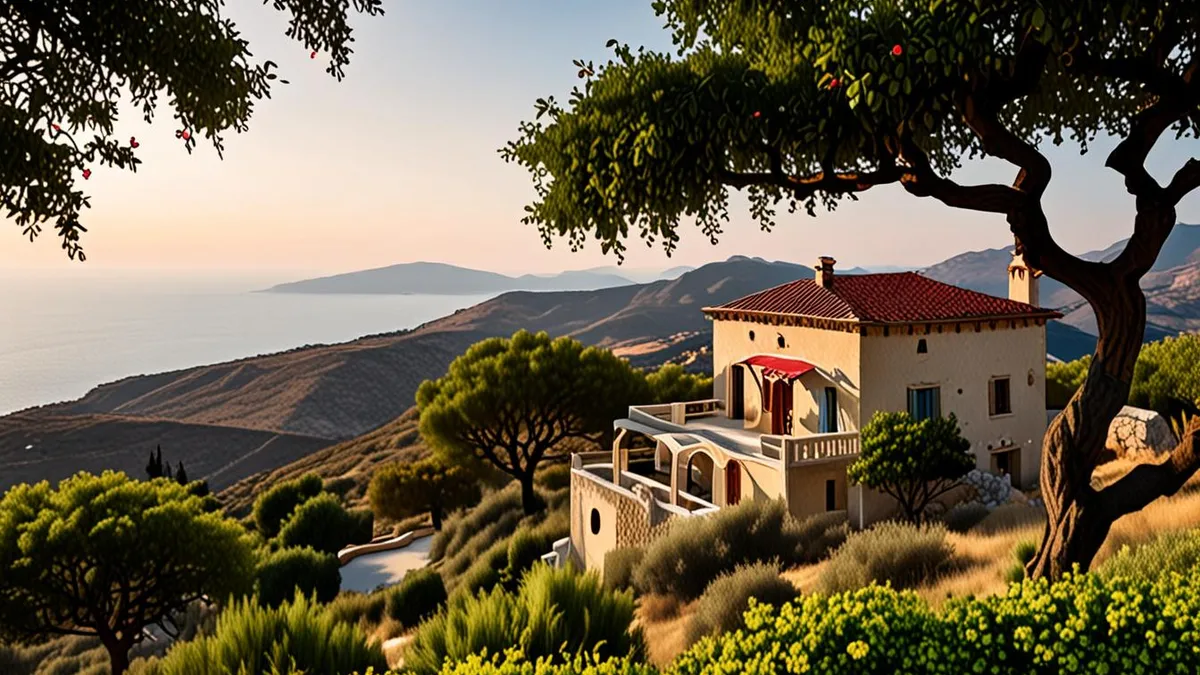
Crete and the Large Islands: Space, Beaches and Privacy
Crete is Greece’s largest island, around 260 km long east to west, and that size changes the whole character of a villa holiday. You are not choosing an island so much as choosing a zone, and each zone delivers a different experience.
Picking your Cretan base
Chania and Rethymno are the choices for old-town lovers: Venetian harbors, labyrinthine lanes and tavernas a stroll from your door, with villas in the surrounding countryside. Elounda, on the northeastern coast, is the address for upscale seaside villas and a polished resort atmosphere. For seclusion, head to the south coast, where the landscape is wilder, the beaches are quieter and villas often sit alone above the sea.
More space for your money
Large islands like Crete offer bigger properties at a lower cost per square meter than the Cyclades. That translates into villas with genuine private pools, generous outdoor terraces and, at the top end, staffed properties with daily cleaning and a cook — the kind of scale that is hard to find on a compact Cycladic island at a comparable rate.
Arrival is simpler too. Crete, Rhodes and Corfu all have international airports with direct summer flights from across Europe, so you can land, pick up a rental car and be at your villa within the hour — no ferry transfers, no connection through Athens, and no weather-related ferry cancellations to plan around.
Quieter Island Alternatives for a Relaxing Villa Stay
If you love the look of Santorini and Mykonos but not the crowds that come with them, the Cyclades still have you covered. Milos, Folegandros and Sifnos all deliver whitewashed villages, blue-shuttered houses and taverna dinners by the water, just at a gentler pace. You trade some glamour for space, and most travelers find that a fair deal. These islands also tend to suit travelers who have already seen the headline names and want something that feels more local, where the same family might run the bakery and the boat rental.
For a different kind of calm, look to Paxos and Hydra. Both are small, car-free or nearly so, and built around harbors rather than beach clubs. Villa inventory is limited, which keeps things quiet but also means you need to plan ahead. On Hydra especially, check how your luggage will reach the villa, since porters and water taxis do that work instead of cars.
- Milos: A geology hotspot with more than 70 named beaches, from lunar Sarakiniko to sheltered coves, so villa stays here tend to revolve around beach-hopping by car or small boat. Rent a small 4×4 if you want to reach the harder-to-access coves.
- Folegandros: A dramatic cliff-top main town and a laid-back atmosphere that draws couples; villas are few and often owner-run, so expect a personal touch rather than hotel-style services.
- Sifnos: Known for its food scene and walking trails connecting villages, making it a good pick for travelers who want hiking and tavernas rather than nightlife.
- Hydra: No cars at all; donkeys and water taxis handle transport, so choose a villa within reasonable walking distance of the harbor unless you enjoy steep climbs with luggage.
One caution: lower overall demand does not mean easy availability. Small islands have small villa pools, and in peak weeks the best properties can be fully booked months ahead. If a specific island speaks to you, reserve early rather than assuming you can decide later. It also helps to keep a shortlist of two or three islands in case your first choice is already taken, and to message owners directly about availability before committing to flights and ferries.
Best Time to Book a Greek Villa and What It Costs
The Greek villa season runs roughly from April to October, with July and August as the peak months. That said, the sweet spot for value and comfort sits outside those weeks. May, early June, late September and October combine mild weather, warm-enough seas and a noticeably calmer atmosphere, making them the smartest weeks for a villa holiday.
Price differences between seasons are significant. In peak season, Cycladic villas commonly range from €250 to €900+ per night depending on size, view and location. In shoulder season, comparable properties often start around €120-€200 per night. Over a week-long stay, that gap can cover flights, a rental car or several long taverna dinners, so it pays to plan around it.
Timing your booking matters as much as timing your trip. For July and August, popular villas in the Cyclades and on Crete are reserved well in advance, so lock in your dates as early as you can. In shoulder season, you typically have more flexibility, though the villas with the best pools and views still go first.
A few seasonal details worth keeping in mind:
- Sea temperature: Late September and October often offer the warmest swimming of the year, since the sea has had all summer to heat up.
- Group trips: Large villas that sleep eight or more sell out first in peak season, so bigger groups should commit to dates earlier than smaller parties.
- Shoulder-season perks: Some owners offer discounts for longer stays or late bookings outside peak weeks, so it never hurts to ask.
- May and October: Ideal for travelers focused on hiking, sightseeing and village life rather than all-day beach time.
How to Spot a Great Villa Listing in Greece
Villa listings can look identical in photos and behave very differently in person, so a little detective work pays off. Start with recent reviews, and read them with a checklist in mind. Look specifically for comments about the pool’s condition, whether the air conditioning actually cools every bedroom, and whether the famous sea view matches the photos. A stunning terrace shot means little if the view is only visible from one corner of the roof.
Check the location pin, not just the island name
Many listings say “Mykonos” or “Crete” and leave it at that, but islands are bigger than they look on a map. Crete alone stretches around 260 km east to west, so a villa at one end can be hours from the sights you want. Ask for or zoom in on the exact pin, then check the drive to beaches, tavernas and the nearest town. A difference of 10-20 minutes to the beach and dinner makes a big impact on your daily rhythm, especially with kids in the group.
Compare what is actually included
Two villas at a similar nightly rate can offer very different value. One might include daily cleaning, an airport transfer and a welcome basket of groceries; the other might charge separately for each. Read the inclusions carefully, add up the extras, and weigh the total cost rather than the headline price. If cleaning or mid-stay services are unclear, message the host before booking so there are no surprises on arrival.
Wrapping Up Your Greek Island Villa Choice
Choosing where to stay in Greece for a villa holiday comes down to matching the island to your group and the pace you want. The Cyclades deliver the iconic whitewashed scenery and caldera views, while Crete and other large islands offer more space, private pools and better value for bigger properties. A small Cycladic island suits a shorter, scene-focused stay; Crete rewards a longer trip with room to spread out.
Timing matters just as much as location. The weeks outside peak summer bring the friendliest prices and milder temperatures, so shifting your dates by a few weeks can stretch your budget considerably. Booking early still pays off, since the most sought-after villas disappear first no matter when you travel. Get that combination right, and a villa stay in Greece fits your trip perfectly. If this helped you decide, leave a comment or share the article with your travel companions.