Planning a glamping trip sounds simple until you start comparing listings and realize yurts vs cabins vs tents are three very different experiences at three very different prices. A canvas tent might fit your budget perfectly but leave you cold in October, while a cozy cabin could double your cost for amenities you never use.
This guide breaks down exactly what each stay type is, what you’ll realistically pay per night, and how comfort, season and group size change the picture. You’ll also find booking timelines so you don’t lose the best units to early reservations, plus a quick summary to match the right stay type to your trip. By the end, you’ll know which option fits your budget, your travel dates and your tolerance for shared bathhouses.
What Each Stay Type Actually Is
The three main glamping stay types look similar in photos but deliver completely different experiences. Understanding the basic construction of each one helps you predict what you’re actually getting before you book.
Yurts
A yurt is a circular structure built from a lattice frame covered in canvas, set on a raised wooden platform. Most yurts you’ll rent in the US and Europe are inspired by traditional Mongolian designs, and they typically span 16 to 30 feet across. Because the floor plan is open, everything inside shares one space: beds, seating and usually a small wood stove in the center. Many sites position yurts in open meadows or on ridgelines to show off the round shape and the views.
Cabins and tents
Cabins are solid wood buildings with real doors and windows, and they range widely in quality. At the simple end you’ll find rustic shelters with basic furniture; at the top end, fully equipped lodges with full kitchens, private bathrooms and heating. That range is why cabin prices vary more than the other two types.
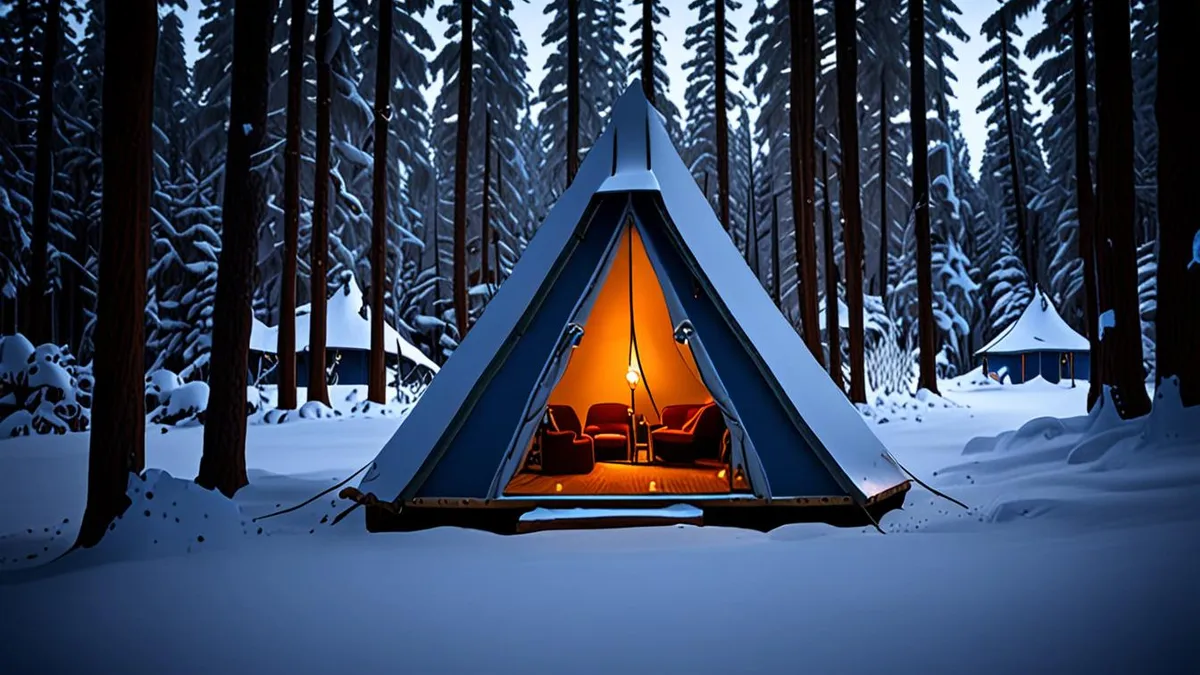
Glamping tents are safari-style canvas tents or bell tents pitched on wooden platforms. They keep the feel of camping, canvas walls and zip-up doors, but add real beds, furniture and often a deck with chairs. Some safari-style units are surprisingly large, with separate sleeping areas, though they still lack the solid walls and insulation of the other two options.
Price Comparison: What You’ll Pay per Night
Glamping prices vary more by stay type than most travelers expect, and knowing the typical ranges helps you spot a good deal or an overpriced listing before you commit. The three types form a fairly clear ladder from budget to premium, but there is real overlap at the edges, especially once you factor in location and timing. Understanding where each type sits on that ladder is the first step toward getting genuine value for your money.
Canvas tents are the budget entry point of the three, typically running $100 to $250 per night. Yurts sit in the mid-range at $120 to $300, with the price depending on size and amenities like a wood stove or private deck. Cabins command $150 to $400, and the premium units, the fully equipped lodges with the best locations, sit at the top of that range.
Timing matters as much as the stay type. Peak-season weekends cost 30 to 50% more than midweek rates across all three types, so a tent that feels cheap on a Tuesday can feel pricey on a Saturday in July. If your dates are flexible, shifting your trip by even a day or two can change what you pay more than switching between stay types would.
- Location drives the top of each range. A basic tent in a remote field prices near the low end, while the same tent type with ocean or mountain views can push toward the top of its range. Proximity to national parks or popular coastal areas has a similar effect.
- Amenities explain yurt price gaps. A small two-person yurt with a shared bathhouse sits near $120, while a large yurt with a wood stove, fridge and private deck can approach $300.
- Cabin size matters most. A one-room cabin for two might cost $150, while a multi-bedroom lodge sleeping six or eight lands at the $400 end.
- Shoulder seasons soften the premium types. Booking a cabin in spring or fall often brings it closer to tent-level pricing than peak summer rates would suggest.
Comfort and Amenities by Stay Type
Comfort is where the three stay types separate most clearly, and it’s often the deciding factor once you’ve set a budget. The key question is how much plumbing and kitchen access you actually need on your trip.
Cabins are the only type that reliably includes private bathrooms and full kitchens. That makes them the closest thing to a hotel in the glamping world: you can cook real meals, take long showers and never walk outside at night to reach a toilet. If self-sufficiency matters to you, a cabin is the safe choice.
Yurts often share bathhouses with other guests, but the interior can be surprisingly comfortable. Many include wood stoves, fridges and real beds on frames, so you get warmth and convenience inside while accepting a short walk to the shower block. Tents usually offer en-suite or nearby bathrooms, hotel-style bedding and a deck, but no kitchen, so plan on eating out or bringing no-cook food.
- Check bathroom distance, not just existence. “Nearby” bathrooms can mean a 30-second walk or a few minutes across a site; listings usually say en-suite, private or shared, so read that line carefully.
- Wood stoves change the yurt experience. A yurt with a stove lets you dry wet clothes, warm the space in the evening and extend your stay into colder months; one without may feel chilly at night.
- Tent decks add usable space. Many safari-style tents include a furnished deck with chairs, effectively giving you an outdoor living room for morning coffee or evening drinks.
- Kitchen access varies by site, not just unit. Some tent and yurt sites provide a shared communal kitchen or outdoor grills, which partially replaces the missing kitchen, so ask before booking.
Seasonality: When Each Type Works
Glamping is not a four-season activity by default, and the biggest seasonal difference shows up in tent availability. Standard canvas tents, whether safari-style units on decks or round bell tents on platforms, are mostly seasonal, roughly May–October in most US and European regions. Outside that window, operators either close the site or stop listing tents because canvas walls simply have no insulation against frost and driving rain.
Yurts change that equation. Because of their lattice walls, insulated covers and, on many sites, a wood stove at the center, four-season yurts stay comfortable down to about -10°C (14°F). If you want to wake up to snow-covered pine trees without shivering through the night, a yurt is generally the best cold-weather pick among the three stay types. Check the listing carefully, though: some sites only offer their yurts year-round and still retire the tents in winter.
When a cabin makes the difference
Cabins work year-round in nearly all climates thanks to solid walls, insulation and proper heating. That reliability is exactly why they cost more, but it also means you can plan a January getaway or a rainy October break without worrying about whether the accommodation is even open. If your dates fall outside the warm season and a tent is your first choice, have a yurt or cabin as a backup before you commit.
Space and Group Fit
Space is where these three stay types really separate. A yurt is one big open circle: typically 16–30 feet in diameter, with beds, seating and often a wood stove arranged around a central dome. There are no interior walls, so everyone shares the same floor plan, and most yurts sleep 2–6 guests. That layout works beautifully for a family with young kids who want to stay close, and less well for two couples who want privacy.
Cabins are the opposite. Solid wood buildings come with separate bedrooms and a shared living space, so a group of four or six can spread out, close a door for a nap and still gather around a table in the evening. If your group includes light sleepers, teenagers or in-laws, that separation matters more than any view.
Tents sit at the small end. Most safari and bell tent units sleep 2–3 guests, and the space inside is usually one open sleeping area with a deck outside. They are romantic and simple, but not designed to absorb a family’s luggage, cribs and coolers.
- Yurt layout: the circular floor plan means no hallways and no doors between sleeping areas, so pack earplugs if you are traveling with a snorer.
- Cabin storage: solid buildings usually include closets, shelving and a proper entryway, which keeps wet gear and muddy boots out of the sleeping rooms.
- Tent decks: the outdoor platform often doubles as your living room, so look for listings that mention a furnished deck if you plan to spend evenings outside the canvas.
How to Book the Right Glamping Stay
Glamping sites fill up faster than most travelers expect, especially the units with wood stoves and private bathrooms. The good news is that a little planning and a few smart filters will get you the stay type you want at a fair price. Here is how to approach it.
- Match your lead time to the stay type. Yurts and cabins usually need to be booked 3–6 months ahead for summer dates, since their inventory is limited and repeat guests snap up the best units. Tents move faster on turnaround, so 1–3 months of lead time is typically enough outside the busiest holiday weeks. If your dates are flexible, set alerts and check back often, because cancellations do happen even at popular properties.
- Filter before you compare prices. Search listings for heating, bathroom access and a kitchenette first, then compare prices only among options that meet your basics. A cheap tent with no heat and a shared bathhouse is not actually cheaper than a yurt once you factor in what you will compromise on.
- Aim for midweek dates. Weekend nights in peak season carry a noticeable premium over midweek rates for all three stay types. Shifting a two-night stay to Tuesday and Wednesday can bring a cabin into yurt territory on price, or let you book a bigger unit for the same budget.
One last habit worth building: after filtering, read recent guest reviews for the specific unit, not just the property. Reviews will tell you whether the wood stove actually keeps the yurt warm on a cold night, whether the shared bathhouse is a two-minute walk or a ten-minute hike, and whether the photos match reality. Pay attention to how recently the reviews were posted too, since a property can change management or let maintenance slip between seasons. Then book directly with the operator when you can, and confirm cancellation terms before paying, since policies vary widely between independent sites and booking platforms. A quick email with one or two specific questions before you commit can also reveal a lot about how responsive the host will be if something goes wrong during your stay.
Choosing Your Stay Type at a Glance
So which one fits your trip? If you’re chasing the lowest price and a real camping feel on a warm-season getaway for 2–3 guests, a canvas tent is the easy pick. If you want a bit more character and the option to travel in shoulder season without freezing, a yurt for a small group hits a nice middle ground.
And if comfort is non-negotiable — private bathroom, full kitchen, insulation for any month of the year — a cabin delivers all of that at the highest price of the three. Match the stay type to your budget, your season and your group size, and the choice usually makes itself. If this helped you decide, leave a comment or share the article with a friend planning their own trip.