Glamping sites book 365 days a year, but that doesn’t mean every night is a good night to sleep in a canvas tent or a dome with a mesh ceiling. The best time for glamping depends on where you’re going and how much weather your unit can actually handle, because a structure that feels magical in October can feel miserable in a July heatwave or a January freeze.
This guide breaks the year down season by season. We’ll cover why timing matters more for glamping than for a standard hotel stay, then walk through spring, summer, fall and winter with the regions that shine in each. You’ll also find practical booking advice on when to reserve for the best sites and prices, plus a quick wrap-up to help you match your destination to the right month.
Why Timing Matters More for Glamping Than Hotels
Glamping looks a lot like a hotel experience online, but the building itself tells a different story. Tents, safari-style canvas suites, domes and even many glamping cabins have thin walls, open-air layouts and often screened or fabric sections. When a heatwave, cold snap or thunderstorm rolls through, you feel it far more than you would behind a hotel’s insulated walls and solid windows.
Climate control is the other big difference. Some luxury units do include air conditioning and heating, but plenty of tents and domes rely on a small space heater, a ceiling fan or a wood stove, or nothing at all. That means the weather outside directly shapes how well you sleep.
Why shoulder seasons are the sweet spot
Mild shoulder-season weather, generally April-May and September-October in much of the country, takes the pressure off your unit’s limited heating and cooling. Days are comfortable, nights are cool enough for a blanket, and you’re not fighting a canvas wall in 100°F heat.
Prices swing just as hard as the weather
Rates move with the seasons, too. The exact same dome can cost twice as much in July as it does in May, once peak demand kicks in. Picking your dates carefully can be the difference between a splurge and a genuinely good deal.
Spring Glamping: March to May
Spring is when the South and Southwest hit their stride. In March and April, states across the southern tier of the country regularly see daytime highs in the 60s to 80s°F, which is close to perfect for canvas tents and open-air decks. Desert regions also start their best stretch of the year here, before summer heat arrives.
Waterfalls and wildflowers at their peak
April and May are prime months for scenery in the national parks. Waterfalls run strong on snowmelt, and wildflower displays peak across the mountains and valleys. Yosemite and the Great Smoky Mountains are classic examples, and glamping sites near these parks book up quickly for exactly this reason.
Two things to watch out for
Spring isn’t flawless everywhere. The Southeast can get genuinely rainy in spring, so pack for wet weather and check whether your unit has covered outdoor space. In northern states, expect muddy access roads and trails from late snowmelt before mid-May, which can make for soggy walks between your tent and the bathhouse.
If you can time a trip around the rain and mud, spring delivers some of the most comfortable glamping conditions of the year at prices well below summer peaks.
Summer Glamping: June to August
Summer is prime time for glamping at altitude and by the water. Mountain and lakeside sites in the Rockies, the Pacific Northwest and northern New England offer warm days, cool nights and long daylight hours, which is exactly what most canvas and mesh-walled units are designed for. These regions are where summer glamping really earns its price tag.
What peak season costs
Expect peak pricing of roughly $150-$400 per night, with luxury tents sometimes exceeding that. In exchange, you get the largest choice of guided activities of any season, from rafting and horseback riding to guided hikes and stargazing programs. If you want a full itinerary, summer is the season with the most on offer.
Skip the desert, or head uphill
Desert glamping becomes uncomfortable in summer, with highs regularly topping 100°F. Canvas traps that heat, and even air-conditioned units work hard to keep up. If you have your heart set on desert scenery, choose a site at elevation above 5,000 feet instead, where temperatures drop enough to sleep comfortably.
One more note: summer is when everyone wants to go, so popular destinations sell out months in advance. Plan early and book as far ahead as your site allows.
Fall Glamping: September to November
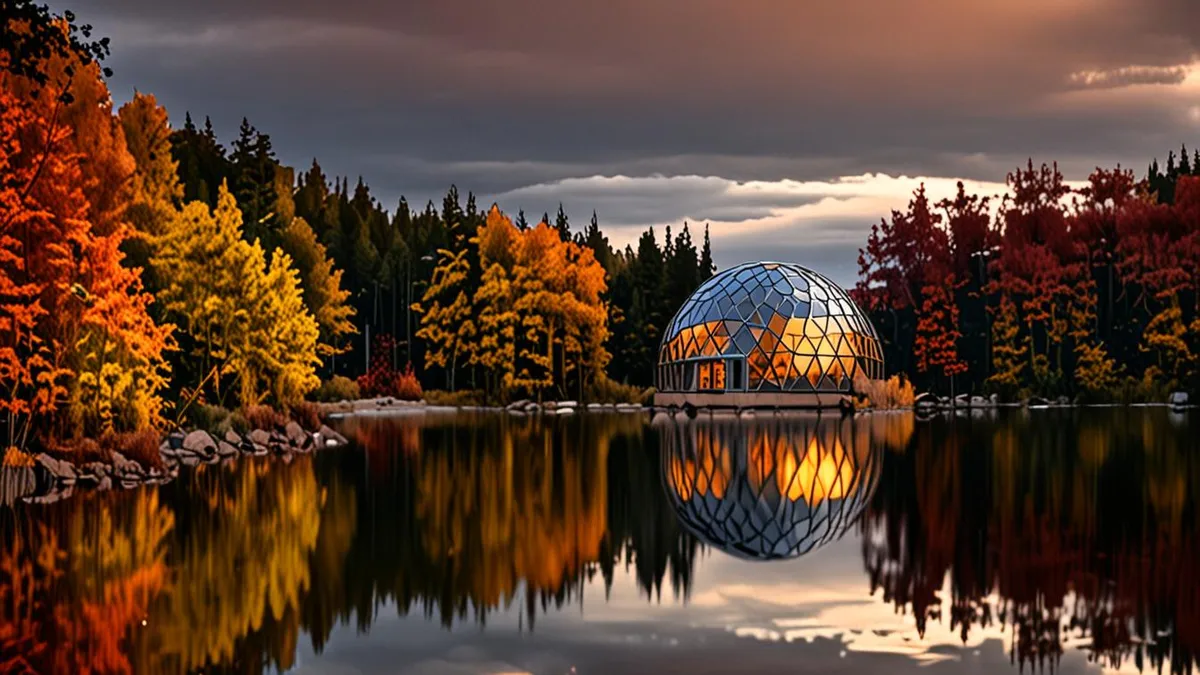
Fall might be the best-kept secret in glamping, and the foliage is only half the reason. Late September through mid-October is when the leaves hit their peak color in New England, the Great Smoky Mountains and Colorado, and a transparent tent roof turns the display into a ceiling of amber and red. You get the same scenery as the leaf-peeping crowds, but from a private deck instead of a packed overlook.
Cozy nights, not just pretty days
The real charm of autumn glamping shows up after sunset. Nights in the 40s and 50s°F are cold enough to make a wood stove or fire pit the highlight of the stay, but not so cold that a canvas tent or dome becomes uncomfortable. There is nothing quite like sipping cocoa by the fire and then crawling into a warm bed ten feet away.
Fewer people, lower prices
Once Labor Day passes, family travel drops off sharply and campgrounds quiet down. Many operators cut their rates in response, and shoulder-season discounts of 20-40% off summer peaks are common. Pack layers, book early for peak foliage weekends in popular regions, and you may get the best value of the whole year.
Winter Glamping: December to February
Winter sends most glampers indoors, but it does not have to end your season. It just changes where you should point the car. The trick is choosing regions where winter is mild, or committing fully to a heated, snow-ready unit.
Chase the sun in the South and Southwest
Arizona, Nevada, Southern California and Florida are the sweet spots from December through February, with daytime highs that typically stay in the 60-75°F range. Desert sites around places like Sedona or Joshua Tree offer crisp, clear days perfect for hiking, while Florida adds beaches and warm evenings to the mix. Just remember that deserts cool down fast at night, so bring warm layers even when the forecast looks sunny.
Embrace the snow instead
If you love cold weather, look for snow-dome stays in Colorado and Montana. These are heated, enclosed units designed for winter conditions, so you can watch snowflakes fall from a warm bed with a view. Confirm before booking that the unit is genuinely winterized and reachable by road in snow, since not every glamping property operates year-round.
The upside of winter is price. Outside of holiday weeks, you will generally find the lowest rates of the year, and popular sites that sell out in summer often have wide-open availability. Check current dates and holiday calendars with your operator before you commit.
How to Book the Best Time for Glamping at the Right Price
Glamping prices move with the calendar more than most travelers expect, and the best sites are often the first to go. Unlike a hotel, where you can usually find a room a week out, a small glamping property might have only a handful of units, so one busy weekend can wipe out the entire inventory. A little planning ahead of time can mean the difference between the premium dome with the canyon view and the leftover unit by the parking area. Here is how to time your booking.
- Book 3-6 months ahead for summer trips. Popular summer destinations routinely sell out this far in advance, and the most desirable units go first. Booking in this window gives you real choice of layout, view and dates instead of whatever remains.
- Book 6-9 months ahead for holiday weekends. Memorial Day, July 4th and Labor Day are the busiest dates on the glamping calendar. Reserving as soon as dates open is often the only way to get a weekend spot at all.
- Target shoulder-season dates for savings. Stays in April-May and September-October typically cost noticeably less than peak summer, with milder weather as a bonus. If your dates are flexible, shifting the trip by a few weeks can free up real money in your budget.
- Read the cancellation policy carefully. Weather-dependent stays often come with stricter terms than hotels, including shorter free-cancellation windows or partial refunds only. Know what you are agreeing to before you pay, especially for trips booked many months out when plans can still change.
One last habit that pays off: sign up for alerts or newsletters from operators you like, since last-minute cancellations and off-season deals do appear. And when you find a site and date combination that works, do not wait too long to confirm it. The best units rarely wait for anyone.
Wrapping Up: Picking Your Season
So when is glamping in the US actually comfortable and worth the money? For most regions, the sweet spot runs May through October, when nights are mild enough for thin tent walls and days are warm enough to enjoy the outdoors. Desert destinations work on a different calendar, shining from November through March when the rest of the country cools down.
If you want the best value, aim for the shoulder seasons of April-May and September-October, when rates often drop 20-40% below summer peaks without sacrificing pleasant weather. And whichever season you choose, booking 3-6 months ahead gives you the widest choice of sites at fair prices. Have a favorite glamping season or a trip you’re planning? Share it in the comments or pass this along to a fellow traveler.