You’ve settled on a lodge stay, but one big question remains: do you want to wake up to mountain peaks outside your window, or to the calm of a lake at your doorstep? It’s a genuine dilemma, and the alpine lodges vs lake lodges debate trips up plenty of travelers. Both promise scenery, quiet, and a slower pace, but they suit different seasons, budgets, and travel styles.
This guide breaks the decision down step by step. We’ll look at the core difference between the two, when each type shines through the year, and what activities sit right outside the door. We’ll also compare costs and booking lead times, cover access and logistics (including what winter trips to remote alpine lodges can involve), and match each option to different traveler profiles. By the end, you’ll know exactly which lodge fits your trip.
Alpine Lodges vs Lake Lodges: The Core Difference
The core difference comes down to one word: elevation. Alpine lodges sit high in the mountains, typically at 1,200-2,500 m, where the reward is a dramatic backdrop of peaks right outside your window. The trade-off is convenience. Air is thinner up there, some villages are car-free or reachable only by shuttle, and a simple errand can turn into a cable car ride or a wait for the next transfer.
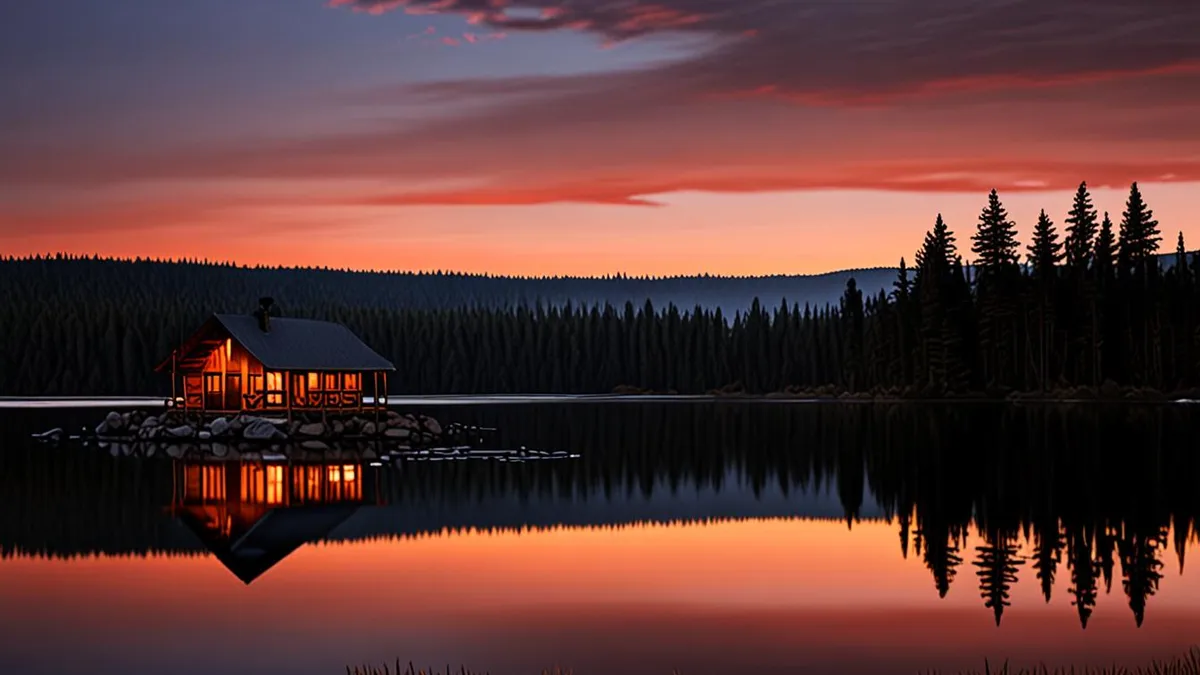
Lake lodges flip that equation. Everything centers on the water, and the water is usually steps from your room. You can swim off a small jetty in the morning, paddle a kayak before lunch, and finish the day with a flat, easy walk along the shoreline. There is no altitude to adjust to, no shuttle schedule to plan around, and most daily movements happen on foot at a gentle, lakeside pace.
How each setting changes over the year
Alpine environments are two different destinations in one. In summer, the same meadows that hold wildflowers become a network of hiking routes; in winter, snow transforms the landscape into a ski and snowshoe world. The scenery is spectacular in both seasons, but the character of your stay shifts completely, and so does what you need to pack and plan for.
Lake settings are steadier. The shoreline looks broadly the same in May as it does in August, and the mood stays milder year-round because valleys around lakes generally avoid the sharp temperature swings you find at altitude. If you want a lodge that feels like the same place whenever you visit, water delivers that consistency; if you want a lodge that reinvents itself with the seasons, the mountains do.
Season and Weather: When Each Lodge Type Shines
Season is the biggest factor in choosing between these two lodge types, because each one has a clear window when it performs at its best. Alpine lodges run a long double season: the summer high season stretches roughly from June to September, when trails open and lifts spin for hikers and bikers, and a second window runs from December to March for ski-in stays. If your dates fall outside those two blocks, check carefully what is actually open at altitude.
Lake lodges have a tighter peak. The water-focused season runs June to August, when afternoons are warm enough for swimming and boating. May and September act as shoulder months: you will typically find lower rates, quieter shores and still-usable weather, though the water may be too cool for long swims.
Pack for the mountain, not the calendar
Alpine weather is famously changeable. Lodges sit at around 1,200-2,500 m, where a sunny July morning can turn into a cold, wet afternoon within a couple of hours. Pack layers, a waterproof shell and warm clothing for evenings, even at the height of summer.
Lake areas are more forgiving. If reliable warm afternoons for swimming, paddling or boat trips matter to you, a lake lodge gives you better odds of getting them, especially in July and August.
Activities on the Doorstep
Where you sleep shapes what you do before breakfast. At an alpine lodge, the trailhead is often literally the front door: you lace up your boots, step outside and you’re climbing. In winter, the same logic applies to skis, with many lodges offering ski-in, ski-out access or a short walk to the lift. Lake lodges flip the script: your morning starts with flat water, and gear like kayaks or paddleboards is often stored just steps from the shore.
The rhythm of the day differs too. Alpine activities tend to be effort-heavy and time-consuming — a summit hike or a via ferrata route can swallow an entire day, and mountain biking usually means serious climbs followed by big descents. Lake activities come in shorter, more flexible chunks: an hour of paddling before lunch, a boat trip in the afternoon, or a gentle cycle along the shoreline path with the kids. If your group has mixed energy levels, that flexibility matters.
Rainy days are where the two really diverge. Lake lodges typically offer 30-50% more indoor common space than their alpine counterparts, so a wet afternoon means board games by the window, a long lunch in a roomy lounge, or a swim in the indoor pool. Alpine lodges lean on wellness areas instead — think saunas, hot tubs and steam rooms designed for post-hike recovery that double as rainy-day shelter.
- Via ferrata: fixed-cable climbing routes found near many alpine lodges; they let moderately fit travelers experience exposed cliff terrain with a harness, though you’ll need a guide or rented kit if you’re new to it.
- Boat trips: many lake lodges sit near piers or jetties where local operators run scenic cruises, a low-effort way to see the shoreline even if nobody in your group paddles.
- Fishing: lake settings usually allow it with a local permit — rules and licenses vary by region and change often, so check the current requirements before packing a rod.
- Sauna culture: in alpine regions, especially the Alps, evening sauna sessions are part of the lodge routine; some require booking a slot, so ask at check-in.
- Lakeside cycling: flat, well-marked paths make this one of the few alpine-style sports that suits lake lodges too — many properties rent bikes by the half-day.
Costs and Booking Lead Times
Money and timing are where alpine and lake lodges really split apart. Because alpine lodges sit in a short, intense summer window, demand is concentrated and prices climb accordingly. Expect alpine lodges to cost roughly 20-40% more than a comparable lake lodge in high season, especially for rooms with direct mountain views. Lake lodges face the same summer rush, but their longer usable season spreads demand across more weeks, which keeps headline rates lower.
Lead times follow the same pattern. For a July or August alpine stay, start booking 4-6 months out; the best-view rooms at popular lodges often go first. Lake lodges typically need only 2-3 months of lead time, though a specific lakeside room during peak weeks can still sell out early.
Shoulder months are where lake lodges quietly win. May and September bring noticeably reduced rates, thinner crowds and weather that is usually still good enough for paddling, cycling and long shoreline walks. Alpine lodges also soften prices outside peak weeks, but snowmelt or early storms can limit trail access, so check conditions before committing.
- Ask about half-board versus room-only rates: at alpine lodges in particular, adding dinner can shift the total price meaningfully, so compare like with like before assuming one lodge is cheaper.
- If your dates are fixed around school holidays, treat the 4-6 month alpine booking window as a minimum rather than a target, since family rooms in those weeks are the first to disappear.
- Midweek check-ins at lake lodges in September often unlock the deepest discounts, because weekend demand from local visitors keeps Friday and Saturday nights pricier.
- Cancellation policies tend to be stricter at remote alpine lodges, since a single unfilled room in a short season hurts more; read the terms carefully if your plans might shift.
Access and Logistics
Getting there is where the two lodge types feel most different. Many alpine lodges sit at the end of a narrow mountain road, a cable car ride or a marked trail, and in winter that last stretch can require snowshoes, skis or a pre-booked shuttle. Before you pay the deposit, confirm exactly how you will be transferred, whether luggage is carried for you and what happens if a storm closes the route on your arrival day. A lodge that is magical on a clear morning can be a genuine challenge to reach in fresh snow.
Lake lodges are usually reachable by regular road, often with parking right at the building. That makes them far easier for families with small children, travelers on shorter stays and anyone arriving late in the day. You can typically drive up, unload, and be on the shore within minutes — no shuttle timetable to plan around.
Packing for each setting
Alpine stays reward travelers who pack light but warm. Layers, proper footwear and a small daypack matter more than outfit options, since you will likely walk the final stretch and face fast-changing conditions at elevation. Leave the bulky suitcase behind; a well-organized backpack or soft duffel is genuinely easier to carry up a trail or onto a shuttle.
Lake stays allow more casual gear. Swimwear, sandals and a light jacket cover most days, and since you can park close to your room, heavier bags are no problem. Bring the paddleboard or fishing rod if you have one — many lake lodges have storage space or rental on site, but check before you pack.
Which Lodge Type Fits Your Traveler Profile
The right lodge ultimately depends on what your days will actually look like. If you close your eyes and picture the trip as a summit view at sunrise, a full day on the trails or a week of skiing, alpine is your answer — even if it costs more and takes more planning. If your ideal day is swimming before breakfast, an afternoon of paddling and an easy stroll along the shore, the lake lodge will fit better and leave more room in the budget.
Traveler profiles tend to sort themselves clearly. Families with young children often prefer lake lodges: flat walking, safe shallow water, road access and the flexibility to leave for an afternoon nap without a shuttle ride home. Active couples and ski travelers lean alpine, where the trails and lifts start at the door and the effort of getting there feels like part of the adventure. Mixed groups of different ages and fitness levels usually find lake lodges the easier compromise, since everyone can join the same day at their own pace.
- Honeymooners and photographers: alpine lodges deliver sunrise and sunset light over peaks that lake settings rarely match, worth the extra transfer for a short, focused stay.
- Multigenerational groups: lake lodges suit grandparents and toddlers alike, with shoreline paths, boat trips and indoor common space that keeps non-swimmers comfortable.
- Solo travelers on a budget: lake lodges in May or September offer the lowest combined cost of room, food and activities, with no cable car or shuttle fees to factor in.
- Dedicated skiers and hikers: alpine lodges save you an hour of daily transfers to the lifts or trailheads, which over a week adds up to whole extra days on the mountain.
- Rain-sensitive travelers: if a washed-out day would ruin your trip, lake lodges give you more indoor space and nearby town options as a fallback.
The Bottom Line
Both lodge types deliver something a hotel chain never will, but they suit different trips. Alpine lodges trade convenience for drama and sport, which shows up in the price — typically 20-40% more than comparable lake lodges in high season — and in the longer booking window of 4-6 months for summer dates. Lake lodges deliver water at the doorstep, easier access and better value, with a season that peaks June to August and quieter, cheaper shores in May and September.
The real answer is to match the choice to your season, budget and activity list rather than to scenery alone. If your days are built around summit views, hiking or skiing, the mountains justify the extra cost and planning. If swimming, paddling and easy logistics matter more, the lake will rarely disappoint. Which one fits your next trip? Share your pick in the comments or pass this along to a travel partner.