With hundreds of private reserves and national park camps across South Africa, travelers struggle to know which safari lodge actually fits their budget, season and wildlife goals. Do you book a self-drive rest camp in Kruger, or splurge on a private reserve where trackers follow leopards off-road? And is winter really the best time to go, or can the green season stretch your budget further? These are the questions that separate a good safari from a great one.
This guide walks you through the decision step by step. We compare national park camps with private reserves, help you pick the right region for your safari lodge in south Africa, and explain how the seasons change both prices and game viewing. You will also learn how to match lodge style to your budget, evaluate wildlife, camp size and activities, and book smart with the right lead times and logistics. By the end, you will know exactly which kind of bush stay suits you.
Decide Between a National Park Camp and a Private Reserve
Your first big decision is whether to stay inside a national park or book into a private reserve, because the two offer very different safari experiences. Neither is better across the board; it comes down to how you want to spend your days in the bush.
Inside Kruger National Park
Staying at one of the rest camps in Kruger National Park gives you real independence. You can drive yourself around the park’s road network from sunrise to gate-closing time, stopping as long as you like at a leopard sighting or a busy waterhole. The accommodation is fenced, which makes it a comfortable choice for families, and rates typically run from about $50 to $150 per night, making it the most affordable way to see the Big Five.
Inside a private reserve
Private reserves such as Sabi Sand and Timbavati border Kruger but operate differently. Here you join guided game drives in open vehicles, with rangers and trackers who may go off-road to follow fresh tracks, bringing you closer to predators than self-drive rules allow. That expertise and exclusivity come at a price: rates typically start around $150 and can climb to $1,500+ per person per night at the top lodges.
The rule of thumb is simple. If close, expertly guided wildlife encounters matter most to you, choose a private reserve. If you value independence, flexibility and a lower cost, a Kruger rest camp will serve you well.
Pick the Right Region for Your Safari Lodge in South Africa
South Africa offers safari country in several very different corners of the country, so the region you choose shapes everything from wildlife density to how you combine the trip with the rest of your itinerary. The classic choice is the Greater Kruger area in Mpumalanga and Limpopo, home to the densest Big Five populations in the country and to famous private reserves alongside the park itself. For most first-time visitors, this is where a safari lodge in south Africa delivers the most reliable game viewing.
That said, other regions make sense for specific travelers. If you are flying into Johannesburg for a short trip, or want to pair your safari with a family stop at Sun City, the reserves in North West province sit far closer than Kruger. Families with young children or travelers on malaria-conscious itineraries often head south instead. Here is how the main regions compare:
- Greater Kruger (Mpumalanga and Limpopo): besides the Big Five, this region offers the widest choice of lodges and the easiest flight access via Kruger Mpumalanga or Hoedspruit airports, so you can be on a game drive within hours of landing.
- Madikwe and Pilanesberg (North West province): both are malaria-free reserves within easy reach of Johannesburg, and Pilanesberg sits right next to Sun City, making a two-stop family trip simple.
- Eastern Cape reserves near Port Elizabeth (Gqeberha): these malaria-free parks slot neatly into a Garden Route road trip, letting you combine beach towns and coastal scenery with game drives.
- Phinda (KwaZulu-Natal): this private reserve pairs Big Five game viewing with nearby Indian Ocean beaches and the wetlands of the iSimangaliso area, ideal if you want bush and coast in one region.
If your travels extend beyond Africa, remember that lodge culture exists elsewhere too. A stay at one of the forest lodges in North America offers a completely different wilderness experience, though nothing quite replaces an African game drive.
Time Your Stay Around the Seasons
Timing shapes your safari more than almost any other booking decision. The same lodge can feel like two different places depending on when you visit, both in terms of what you see and what you pay.
The dry winter months
For the best game viewing, travel in the dry winter months of May to September. Vegetation is sparse, animals gather at waterholes, and the cooler weather makes full-day game drives comfortable. The trade-off is popularity: expect peak season pricing and limited availability in June to August, especially around school holidays, so book well ahead if you want a specific lodge.
The green season
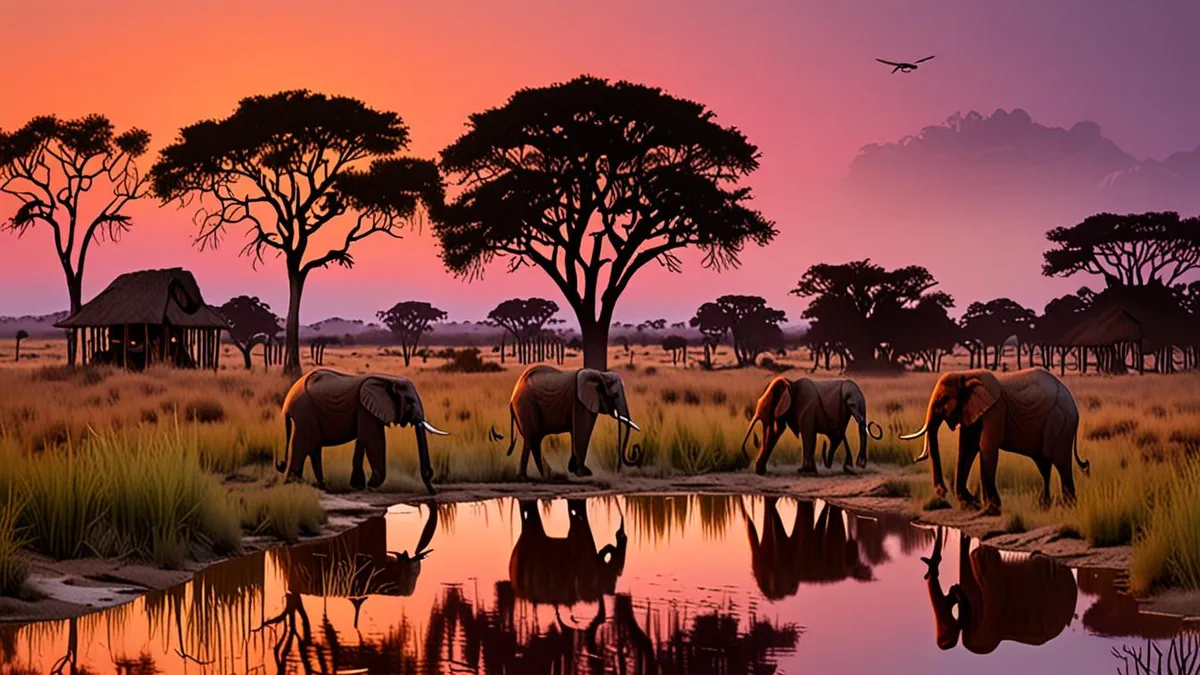
The green season from November to March brings lower rates, newborn animals and dramatic birdlife as migratory species arrive. The bush is thicker and lusher, which makes spotting game a little harder, but many photographers prefer this season for its dramatic skies and rich colors. If your dates are flexible and your budget is not, this is the smart window to target.
A practical approach is to decide what matters more: guaranteed-easy sightings or better value. Winter rewards travelers who prioritize wildlife; the green season rewards those who prioritize price and scenery. Both deliver a memorable safari, just in different ways.
Match the Lodge Style to Your Budget
Safari lodge pricing in South Africa’s private reserves generally falls into three tiers, and knowing where you fit makes the shortlisting process much easier. Entry-level private lodges typically cost around $150 to $400 per person per night. At this level you still get the essentials: meals, two game drives a day and a seat in a shared vehicle with other guests. The rooms are simpler and camps are larger, but the wildlife experience is largely the same.
Mid-range lodges, usually $400 to $800 per person per night, start adding comfort touches. Expect private plunge pools at some camps, butler service and more intimate properties with roughly 6 to 10 suites. Ultra-luxury lodges above $800, often reaching $1,500 or more per person per night, take exclusivity further with private vehicles, dedicated guides and around-the-clock butler attention.
Before you compare rates, look closely at what each price actually covers. Extras can quietly stretch your budget, so ask these questions when you request a quote:
- Park and conservation fees: Many lodges charge these separately, and they change yearly, so ask for the current amount rather than assuming it is included.
- Drinks: Some lodges include house wines and soft drinks, while others bill everything except tap water, which can add up over a multi-night stay.
- Laundry: Complimentary at some camps, charged per item at others, and worth confirming if you are packing light.
- Levies and surcharges: Community or tourism levies can add roughly $50 to $150 per day to your total, so request a fully itemized quote before booking.
Evaluate Wildlife, Camp Size and Activities
Wildlife Focus and Camp Size
Not all reserves deliver the same sightings, so ask directly about a lodge’s wildlife specialities before booking. The Big Five are present across most of the well-known reserves, but individual properties build reputations around particular animals. Sabi Sand lodges, for example, are renowned for regular leopard sightings, which is why photographers and big-cat enthusiasts gravitate there. If wild dogs, cheetahs or rhinos top your list, ask the lodge how often those species are seen on their traversing area.
Camp size changes the feel of your safari more than most travelers expect. Camps with 6 to 12 rooms feel intimate: meals are shared around one table, guides know every guest’s name and sightings stay uncrowded. Lodges with 40 or more rooms feel more hotel-like, with buffet dining, multiple vehicles at a sighting and less personal service. For a first safari, the smaller camp almost always delivers the more memorable experience.
Activities and Traveling with Children
Game drives are the core of any safari, but they are not the whole story, and what is on offer varies by reserve and park rules. Walking safaris, night drives and hides are available in some private reserves but restricted or unavailable in others, so confirm which activities your lodge actually runs. Night drives in particular are a highlight in private reserves, since self-drive parks typically close their gates before dark.
Traveling with kids requires an extra question: many luxury lodges set minimum ages of 6 to 12 for game drives, and some run entirely child-free. Family-oriented camps offer shorter drives, child-friendly meals and dedicated programs, so match the policy to your children’s ages before you commit.
Book Smart: Lead Times, Stays and Logistics
A great lodge booked badly can still disappoint, so planning the booking itself matters as much as picking the property. Peak season demand is real, and the best camps fill up long before most travelers even start researching. It is common to find your dream camp fully committed a year out, especially for the smaller properties with only a handful of suites. Rates can also rise as availability shrinks, so early booking often protects both your dates and your budget. Work through these steps in order, and do not skip the unglamorous ones like confirming cancellation terms:
- Reserve early for peak season. For travel in June to August, book private lodges 6 to 12 months ahead. The smallest, most sought-after camps sell out first, and waiting until a few months out usually means compromising on dates or camp size.
- Stay 3 to 4 nights at one lodge. It is tempting to split a week between two or three properties, but 1 to 2 nights anywhere means settling into camp just as you leave. Longer stays also let your guide learn your interests and revisit a promising sighting.
- Plan the logistics. For the Greater Kruger area you can fly into Kruger Mpumalanga or Hoedspruit airports, or drive around 5 to 6 hours from Johannesburg. Check flight schedules and road conditions with your operator before locking in arrival times, since game drives start early.
- Check malaria risk for your region. Requirements and recommendations vary, so consult a travel health professional. If you prefer to avoid the question entirely, the Eastern Cape and Waterberg are malaria-free safari options.
Once these pieces are in place, the rest is easy. Confirm your deposits and cancellation terms in writing before paying anything, and ask the lodge about transfer times from the airport so your first game drive does not become a rushed arrival. Many lodges will also help arrange shuttles or charter flights, which can save hours of self-driving on narrow roads. If you are traveling in the dry winter months, remember that mornings and evening drives are cold, so pack layers rather than relying on buying gear on site. A little forward planning like this turns a good safari into a smooth one, and it lets you spend your energy on the wildlife instead of the admin.
Wrapping Up Your Lodge Choice
Choosing a safari lodge in south Africa comes down to four simple questions: park or private reserve, which region, which season, and what your budget really covers. A Kruger rest camp gives you independence and rates from about $50 to $150 per night, while a private reserve like Sabi Sand delivers guided drives and regular leopard sightings for roughly $150 to $1,500+ per person per night. Neither is better; they simply suit different travelers.
Once you have those basics settled, the details fall into place. Time your stay for the dry winter months of May to September if wildlife viewing is the priority, and book private lodges 6 to 12 months ahead for the June to August peak. Then match the camp itself to your style: a small camp of a handful of suites feels intimate, while larger lodges offer more amenities. Get these choices right, and the bush takes care of the rest. Have a question or a lodge story of your own? Leave a comment or share this article.