Planning lodge stays in Patagonia can feel overwhelming. The region stretches across southern Chile and Argentina, the seasons are short, and the best lodges often sell out long before summer arrives. Many travelers end up guessing where to base themselves and booking too late, only to find their first choices gone.
This guide breaks the decision into two parts: where to stay and when to go. We compare the main lodge areas, from Torres del Paine and Puerto Natales to El Chaltén and El Calafate, plus quieter options in Aysén and Tierra del Fuego. We also cover the best seasons for lodge stays in Patagonia, how rates and availability shift through the year, and practical booking tips so you can match a lodge to your budget and travel style.
Why Lodge Stays in Patagonia Depend on Choosing the Right Area
Patagonia spans southern Chile and Argentina and stretches over 1,500 km end to end. That scale means your lodge choice shapes your entire itinerary. Pick a base in the wrong area and you can spend your trip driving instead of hiking, cruising or watching wildlife.
Long distances between the highlights
The flagship areas are far apart. Torres del Paine and El Chaltén sit about 300 km apart, typically 5–7 hours by road including the border crossing. That is a full travel day, so most travelers pick one or two areas per trip rather than trying to see everything.
Your base sets your daily rhythm
Each area supports a different style of trip. A lodge near Torres del Paine puts you on hiking trails each morning, while El Calafate works best for glacier excursions. Coastal and steppe areas suit travelers focused on wildlife watching. Decide what your days should look like first, then choose the area that makes those days possible with the least time in a vehicle.
Torres del Paine and Puerto Natales: Chile’s Lodge Heartland
Torres del Paine is Chile’s most famous national park, and the lodges here put you steps from the trailheads. Staying inside the park means you can start hikes like the base of the Towers early, before the day visitors arrive. The trade-off is demand: lodges inside Torres del Paine National Park book out 6–12 months ahead for December–February, so plan early if summer is your target.
Puerto Natales as a practical base
Puerto Natales, about 2–3 hours from the park, offers more affordable lodge options and year-round services. You get restaurants, gear shops and supermarkets, and many travelers find the daily drive into the park a fair price for the savings and flexibility. It is also a sensible choice for shoulder-season trips when some in-park services scale back.
Plan for the wind
Winds in Patagonia regularly exceed 50 km/h in summer, strongest in open steppe areas like those around the park. This is normal, not a sign of a bad weather window. Lodges with sheltered communal areas, such as enclosed lounges and covered terraces, add real comfort after a day on exposed trails, so it is worth checking how a lodge handles the wind before you book.
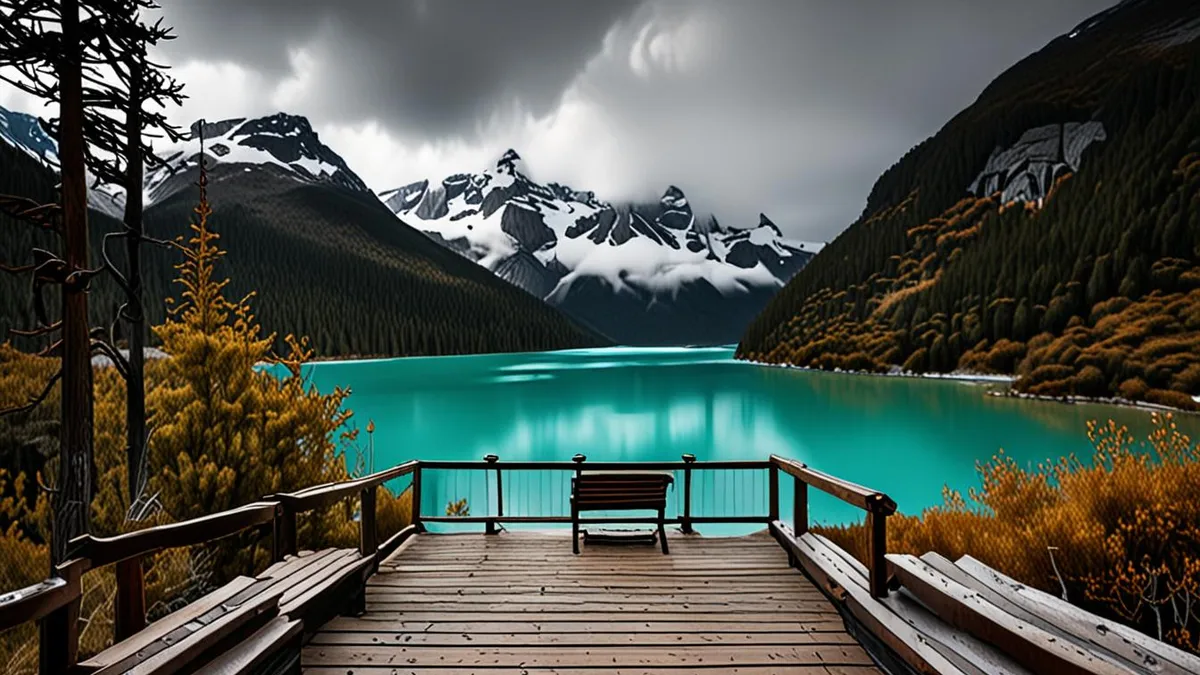
El Chaltén and El Calafate: Argentina’s Trekking and Glacier Bases
El Chaltén is Argentina’s trekking capital, built around access to the trails of the northern Los Glaciares area. The big advantage for lodge guests is simple: many lodges sit within walking distance of trailheads, including the route toward Laguna de los Tres with its views of Mount Fitz Roy. You can wake up, eat breakfast and be hiking without ever starting a car.
El Calafate for glaciers and convenience
El Calafate, roughly 3 hours away by road, is the base for Perito Moreno glacier excursions and has the widest lodge range in Argentine Patagonia. Walkways and boat trips at the glacier are easy day trips from town, and the town’s restaurants and services make it a comfortable place to decompress between activities.
El Calafate’s airport makes it the easiest arrival point for lodge-based itineraries. Fly in, settle into a lodge, and either stay for glacier days or continue overland to El Chaltén. For many travelers, pairing the two towns in one trip works well: trekking days in El Chaltén, glacier excursions from El Calafate, and a single arrival airport to organize.
Off-the-Beaten-Path Lodge Areas: Aysén and Tierra del Fuego
Most travelers stick to Torres del Paine and El Calafate, but Patagonia has lodge country far beyond those hubs. If you have already seen the famous trails and glaciers, or simply want more solitude, two regions deserve a closer look: Chile’s Aysén and Argentina’s Tierra del Fuego.
Aysén and the Carretera Austral
Chile’s Aysén region stretches south of Puerto Montt along the Carretera Austral, one of the most scenic road journeys in South America. Small, remote lodges sit along this route, often surrounded by rainforest, fjords and marble caves rather than crowds. The road is partly gravel and conditions vary, so the region is best reached between October and March, when the weather is kinder and services run reliably.
Getting here takes commitment. Most visitors fly into Balmaceda and drive for several hours, or travel overland from Puerto Montt. That extra effort is exactly the appeal: you trade convenience for quiet trails, small fishing villages and lodges where the staff greet you by name.
Ushuaia and Tierra del Fuego
At the other end of Patagonia, Ushuaia in Argentina works well for travelers combining a lodge stay with something bigger: Antarctic cruises or Beagle Channel boat trips depart from here. Lodges in and around town range from simple to comfortable, and the surrounding Tierra del Fuego landscape offers its own hiking and wildlife.
A word of realism: both Aysén and Tierra del Fuego suit second visits or longer trips of 10 or more days. Access takes extra travel time, so squeezing them into a one-week itinerary usually means rushing. If Patagonia is your first trip, save these for round two.
Best Seasons for Lodge Stays in Patagonia
Patagonia’s seasons shape everything about a lodge stay, from what a room costs to whether the lodge is even open. The southern summer, from December to February, is peak season: the warmest weather, the longest days and, as a result, the highest prices and the fullest lodges. This is when trails are at their best and daylight stretches late into the evening, giving hikers and photographers plenty of usable hours.
The shoulder months reward travelers with flexibility. October–November and March–April bring fewer crowds, lower rates and still-good hiking conditions, with landscapes that shift from spring flowers to autumn color depending on the month you pick. For many lodge-based travelers, this is the sweet spot: better availability, calmer trails and rates that sit noticeably below summer levels.
Then there is winter, which changes the map entirely. Many Patagonian lodges close from April/May through September, so your winter options concentrate in towns that stay open year-round, such as El Calafate and Ushuaia. If you dream of waking up inside a national park, winter is probably not the time.
- Daylight varies dramatically. In December and January you can have usable light past 9 p.m., which lets you fit long hikes without rushed starts; in April, days shorten quickly and you will plan around earlier sunsets.
- Wind is a summer constant. Strong gusts are common in the warmer months, especially across open steppe, so a lodge with sheltered terraces and a good communal lounge makes a real difference after a day on exposed trails.
- Shoulder season booking is easier. In October–November and March–April you can often secure a good lodge a few months ahead, while December–February rooms in popular areas can disappear many months in advance.
- Winter stays trade trails for towns. With many park lodges shut, a winter trip centers on El Calafate or Ushuaia, where you can still visit glaciers or take boat trips, then return to a warm lodge at night.
How to Choose and Book Your Patagonia Lodge
Choosing a lodge in Patagonia comes down to three decisions: your budget, your booking window and what your rate actually includes. Get these right and the rest of the trip tends to fall into place. The difference between a smooth stay and a stressful one often comes from sorting these details before you pay any deposit, not after. Here is a practical sequence to follow.
- Set your budget by lodge type. Simple lodges typically run $100–200 per night, while high-end lodges range from $400 to $1,000+ per night. Decide early which end of that range you are aiming for, because it determines which areas and properties are realistic for you. Remember that remote lodges often quote per person on a package basis, so compare like with like.
- Reserve far ahead for summer. Peak-season dates in the most popular areas sell out first, so book as early as your travel plans allow. Shoulder-season stays give you more breathing room, but early booking still secures the top choices.
- Check what the rate includes. Ask whether meals and transfers are part of the price. Remote lodges often require packaged stays that bundle accommodation, food and transport, which changes the real cost compared to a nightly room rate in a town like Puerto Natales or El Calafate.
- Match the lodge to your daily plans. If you want to hike from the door, prioritize location over amenities; if you are cruising glaciers or taking boat trips, a comfortable base in a service town may serve you better than a remote property. Also think about comfort features such as sheltered communal areas, which matter when the summer wind picks up.
Once you have worked through these steps, write down your shortlist and contact the lodges directly about availability and inclusions. Rates and inclusions vary between properties, and a quick email can clarify exactly what you are paying for before you commit. Ask about cancellation terms too, since weather-related itinerary changes are common in Patagonia. A little groundwork here pays off in a smoother, better-priced stay.
Wrapping Up Your Patagonia Lodge Plan
Patagonia is enormous and strongly seasonal, which is exactly why the lodge you choose matters so much. Start by picking your area: Torres del Paine for Chile’s classic trails, El Chaltén and El Calafate for trekking and glaciers, or remote Aysén and Tierra del Fuego if you have the time for a longer, quieter trip. Once your base is set, plan around the October–April travel window. December through February brings the warmest weather and the longest days, but demand peaks too, with rates at their steepest and rooms snapped up months in advance. The shoulder months of October–November and March–April offer fewer crowds and better rates with still-good hiking conditions.
Timing your booking matters as much as timing your trip. The best lodges, especially inside Torres del Paine, tend to fill 6–12 months ahead for the summer season, so reserve early rather than hoping for last-minute availability. If this guide helped you plan your stay, leave a comment or share it with a fellow traveler.