The Scottish Highlands are packed with lochs, glens and lodge regions, and that variety is exactly what makes planning a stay so tricky. Should you base yourself near Loch Ness, deep in the Cairngorms, or out on Skye? And does it matter whether you travel in June or September? The honest answer: yes, on both counts. Your choice of region and season shapes the drives, the crowds and even how much you pay per night.
This guide walks you through the essentials of booking lodges in the Scottish Highlands. We cover why a lodge beats a standard hotel room for many travelers, which regions suit which kind of trip, how the seasons differ, what lodges realistically cost, and when to book. We also look at getting there and how to pull it all into a sensible plan. By the end, you should be able to pick a base and a travel window with confidence.
Why Choose Lodges in the Scottish Highlands
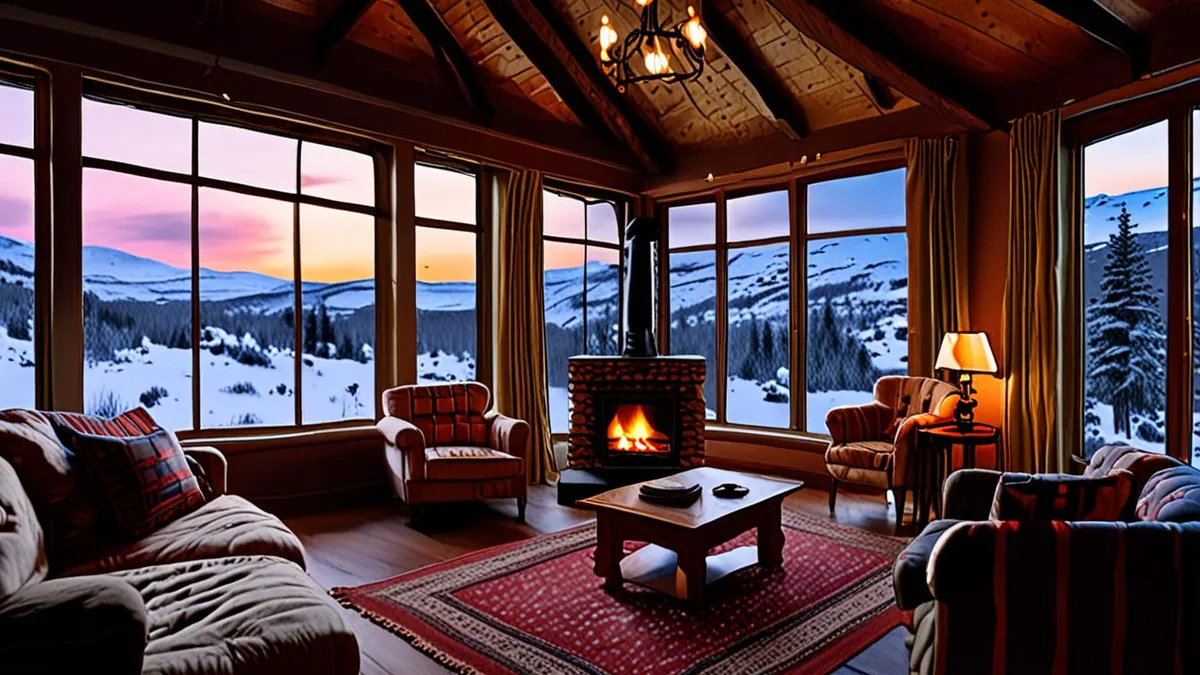
There is a reason lodges have become the accommodation of choice for so many Highland travelers. A standard hotel room gives you a bed and a bathroom; a lodge gives you a living room to spread out in, a kitchen to cook dinner, and usually a wood burner to light as the evening cools. Add a picture window looking over a loch or up a glen, and it is hard to go back to a hotel after your first lodge stay.
Location is the other big draw. Many lodges sit in genuinely remote settings near Loch Ness, in the Cairngorms or on Skye, often within a short walk of trails. You can step out of the door in the morning and be on a hillside path within minutes, without driving anywhere first. That kind of direct access to walking country is something most hotels simply cannot offer.
From simple cabins to hot tub luxury
The range of options is wide. At the simple end, you will find basic cabins for under £100 a night, ideal for walkers who just need a warm, dry base. At the top end, luxury lodges with hot tubs and prime views regularly exceed £300 a night in summer. Most travelers land somewhere in between, and later sections of this guide break down what each price band typically gets you.
Best Regions to Base Yourself
The Highlands are far bigger than most first-time visitors expect, so choosing the right base matters even more than choosing the right lodge. A cabin with stunning views is worth little if you spend four hours a day driving back and forth to the places you actually came to see. Before you fall in love with a listing, match the region to your trip style first, then hunt for the specific lodge that fits it.
Loch Ness and Inverness suit first-timers best. The roads are easy, the main sights sit close together, and castle day trips are simple to organize from almost any lodge in the area. Fort William is the hiker’s base, with Ben Nevis and Glen Coe practically on the doorstep. The Cairngorms National Park offers the widest choice of woodland lodges and things to do year-round, while Skye and the northwest coast deliver the most dramatic scenery of all, at the cost of fewer lodges, smaller roads and noticeably longer drives between stops.
- Loch Ness area: a practical springboard for castle visits such as Urquhart Castle on the loch’s shores, plus easy day trips toward Inverness city center and its shops and restaurants.
- Fort William: handy for the gondola at Aonach Mòr and the Glenfinnan area with its famous viaduct, not just the big mountain itself.
- Cairngorms: good for families, with mountain biking trails, wildlife attractions and winter snow sports all within the park boundaries, so you can stay busy in any season.
- Skye and the northwest: expect single-track roads in places, so build extra driving time into every day trip and plan fewer stops per day than you would elsewhere.
When to Go: Seasons in the Highlands
Timing changes everything about a Highlands lodge stay, from what you pay to how many hours of daylight you get on the trail. There is no single best month; there is only the best window for the trip you want.
Summer: long days, top prices
June to August is peak season. You get more than 17 hours of daylight at midsummer, the warmest weather of the year, and the highest prices. It is the best window for maximizing walking time, but book early and expect company on popular trails.
The shoulder sweet spot
May and September are the savvy traveler’s months. The weather is mild, the roads are quieter, and these windows fall before or after peak midge season, which makes time outdoors far more pleasant. Rates are noticeably gentler than in summer too. If you love the lodge-in-the-woods feel of remote stays, you might also enjoy browsing ideas from forest lodges in North America, where the shoulder-season logic applies in much the same way.
November to March is a different kind of trip: short days, long evenings by the fire, and, in the far north, a small chance of seeing the northern lights on clear nights. It suits travelers who want cozy rather than ambitious.
How Much Highlands Lodges Cost
Lodge prices in the Scottish Highlands vary more by season and location than by size, so it pays to understand the tiers before you book. A simple one-bedroom cabin in a forest clearing can cost less than a hotel room in Inverness, while a loch-front lodge with a hot tub can rival a boutique hotel suite.
Outside the peak summer months, budget cabins typically start around £90–£120 per night. These are usually compact, self-catering spots with a kitchenette and basic heating, ideal if you plan to spend your days hiking rather than lounging indoors.
Mid-range lodges with proper views typically run £150–£250 per night. At this level you can expect more space, a full kitchen, often a wood burner, and sometimes a private deck facing a glen or loch.
In peak summer, the top lodges command premium rates, and you are generally paying for extras like hot tubs, private loch frontage or floor-to-ceiling windows positioned for the sunset.
- Budget cabins: often sleep two to four, and some are pet-friendly, which makes them a practical pick for travelers bringing a dog along on walks.
- Mid-range lodges: frequently sit on small estates or holiday parks with shared facilities such as laundry rooms, playgrounds or on-site fishing permits.
- Luxury lodges: usually include extras like log deliveries, welcome hampers or concierge-style check-in, so read the listing carefully to see what is bundled in.
- Shoulder-season discounts: savings of 20–30% are common in May and October, which can move a mid-range lodge into reach of a modest budget.
Booking Tips and Timing
Highland lodges are not bookable on a whim in summer. The best-rated properties around Skye and Loch Ness, in particular, fill their calendars months in advance, so plan on reserving 3–6 months ahead if you want a June to August stay. This is especially true for lodges with hot tubs or loch views, which are the first to go and rarely see last-minute cancellations.
If your trip falls in May or September, you have far more breathing room. Booking 1–2 months out is usually enough to find good availability, and you can often afford to be pickier about location or views because demand is lower.
Read the Fine Print on What’s Included
Before you confirm a booking, check whether linen, heating and firewood are included in the rate. Some budget cabins charge extras for bedding or a starter log supply, and in the Highlands those extras matter more than you might expect, since even summer evenings can turn chilly enough to warrant lighting the wood burner.
It is also worth confirming the cancellation policy at the time of booking. Remote lodges sometimes have stricter terms than city hotels, and a flexible rate can be worth a small premium if the Highland weather is likely to influence your plans.
Getting There and Getting Around
Most travelers reach the Highlands by car, and for good reason: lodges are spread out, public transport is thin in rural areas, and you will want the freedom to chase good weather between glens. From Edinburgh or Glasgow, expect a drive of roughly 2.5–4 hours depending on your base, with Inverness and Fort William sitting at the shorter end of that range.
Inverness is the main gateway for the northern Highlands, with the area’s principal rail links and airport connections. If you plan to fly in, hiring a car at the airport is the most practical way to reach a remote lodge, since many sit down single-track roads well away from bus routes.
For a proper road trip, the North Coast 500 covers about 516 miles of Highland driving and pairs beautifully with a lodge-based itinerary spread over 5–7 days. Rather than changing hotels every night, you can base yourself in one or two lodges and drive out-and-back sections of the route.
- Fuel planning: petrol stations can be sparse on the west and north coasts, so top up whenever you pass one rather than trusting the next town to have pumps.
- Single-track roads: many lodge approaches and NC500 stretches use single-track roads with passing places, so brush up on passing etiquette before you arrive.
- Day-trip radius: a lodge near Fort William puts Ben Nevis and Glen Coe within an easy morning drive, letting you return for dinner instead of packing lunches on the road.
Planning Your Highland Lodge Stay
Choosing where to stay in the Highlands comes down to one simple step: pick your region first, then match the season to your budget and priorities. A first-timer with a car will find that a lodge base near Inverness, Fort William or in the Cairngorms covers most itineraries, from castle day trips to serious hillwalking, without long detours.
Timing matters just as much as location. Book early for summer stays, when demand is highest and rates climb above £300, and travel in May or September for the best balance of value, quieter roads and comfortable weather. Whatever you choose, a wood-burner warm lodge with a loch or glen view is an easy base for a Highland trip. Have a favorite region or a tip of your own? Leave a comment or share this article.