Choosing a fishing lodge in Alaska can feel overwhelming. With hundreds of remote lodges spread across the state, anglers struggle to know which one matches their target species, budget and travel style. Do you want king salmon in July, silvers in the fall, or trophy rainbow trout? And should you book a fly-out operation, a riverfront lodge or a floatplane-only wilderness camp? Each choice shapes your trip in a different way.
This guide walks you through the decisions that matter most. We’ll help you decide which fish and season come first, pick the right region of Alaska, and compare lodge types and price ranges. You’ll also learn how to evaluate guides, boats and access, vet reviews, capacity and amenities, and plan the logistics of a remote trip. By the end, you’ll have a clear, practical framework for booking the Alaska lodge that fits exactly the kind of fishing adventure you’re after.
Decide Which Fish and Season Come First
Before you compare lodges, get honest about what you actually want to catch. Species runs are predictable enough that your travel window should follow the fish, not the other way around. King salmon peak mid-June to mid-July on most major rivers, so if chinook are the dream, your dates are basically set. Silvers run strongest August through September, which also tends to mean fewer anglers on the water. Rainbow trout and grayling fish well across the whole June to September window, giving you far more flexibility if they’re your priority.
Match the fishery to your goals
Once you know your species, look closely at what each lodge actually fishes for. Some operations sit on salmon-focused rivers where the calendar revolves around runs. Others target trout-only trophy waters, often with catch-and-release rules and bigger fish. A mixed-bag fishery gives you salmon in the morning and trout or grayling in the afternoon, which suits anglers who like variety. Ask each lodge directly what you’ll realistically catch during your specific week, not what they catch over a full season.
Access style matters just as much. Fly-out lodges use floatplanes to reach remote streams where you may not see another angler all day, but that means weather can ground flights. Lodges fishing nearby roadside-style rivers get you on the water faster and lose less time to conditions, though you’ll likely share the water with other anglers. Neither option is better across the board—decide whether solitude or consistency matters more to you, then choose accordingly.
Pick the Right Region of Alaska
Alaska is a big place, and the region you pick shapes your entire week more than almost any other decision. A lodge on the Kenai Peninsula and a fly-out operation near Bristol Bay offer completely different experiences, price points and fishing styles. Before comparing individual lodges, get honest about how much travel time you want, whether you need road access, and how much solitude matters to you.
Bristol Bay and the Katmai area are the heavyweight region for salmon. The sockeye runs here are among the strongest on the planet, and lodges in the area typically use floatplanes to reach remote streams and creeks that see very little pressure. If your dream trip is wading a clear river with no one else in sight while salmon push upstream around you, this is the region to focus on.
Southeast Alaska works differently. Lodges there are usually based on the water, and you fish from boats in saltwater bays and protected channels, often mixing salmon fishing with halibut and other bottom fish. It’s a great fit if you like boat fishing, want calmer protected water, or are traveling with companions who care more about scenery and wildlife than casting a fly.
The Kenai Peninsula is the practical choice for shorter trips and tighter budgets. Road access means you can rent a car, fish on your own days, and combine a lodge stay with other Alaska travel. Remote western rivers, on the other hand, reward anglers chasing wild rainbow trout and true solitude, though reaching them takes more time and money.
- Bristol Bay and Katmai: the sheer volume of sockeye means you can often keep fishing through the run rather than waiting for windows, and the region’s many small streams let guides rotate away from any spot that gets crowded.
- Southeast Alaska: saltwater fishing is less weather-dependent than wading a river, and the mix of salmon, halibut and rockfish gives mixed groups more variety on any given day.
- Kenai Peninsula: you can drive between multiple famous rivers in a single trip, which makes it easier to sample different fisheries without paying for floatplane time.
- Remote western rivers: these drainages typically see a fraction of the angler traffic of road-accessible systems, and wild rainbows here often reach trophy size on mouse and streamer patterns.
Compare Lodge Types and Price Ranges
Price is often the deciding factor, so it helps to understand what different lodge types actually cost. Full-service lodges, which bundle guided fishing, meals, lodging and usually gear, typically run about $3,500 to $10,000+ per person per week. The wide range reflects differences in remoteness, guide quality and how much flying is included, so ask each lodge exactly what the package covers before comparing numbers side by side.
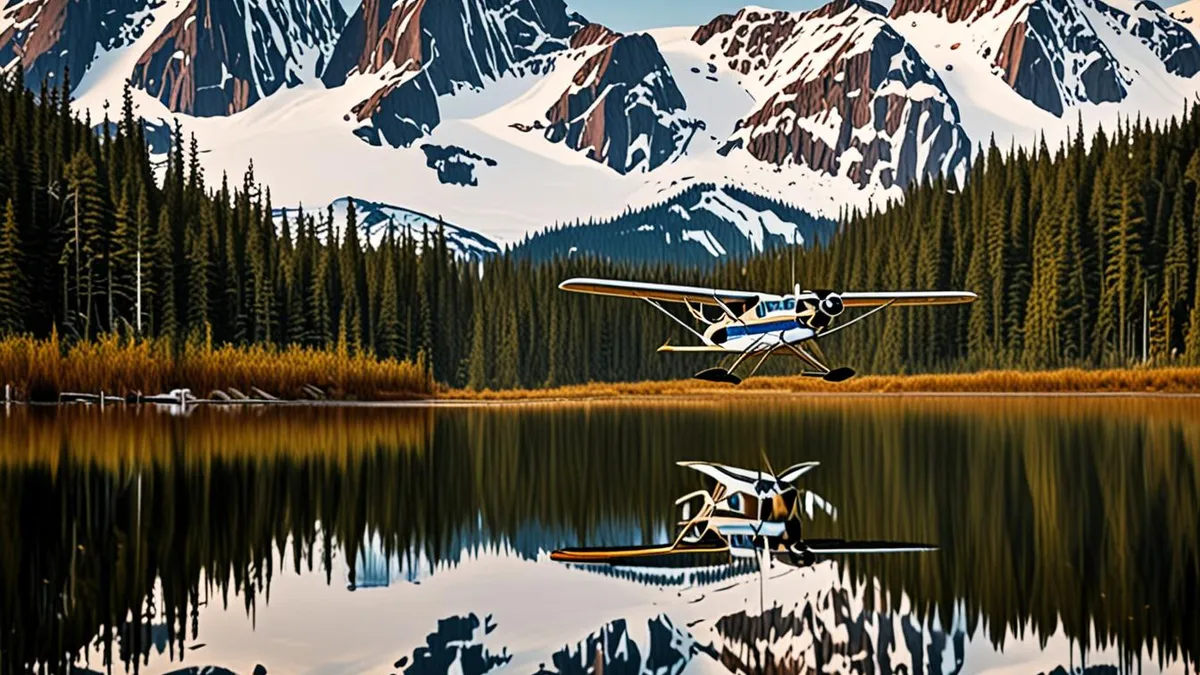
Fly-out lodges sit at the top of that range. They use floatplanes to reach remote streams that see very little pressure, and the extra cost buys access to water you simply cannot fish from a road or a lodge dock. Boat-access lodges trade some of that remoteness for better value: you still get guided days, but you fish rivers and lakes the lodge reaches by jet boat or drift boat rather than by plane.
Unguided and DIY Options
If you are an experienced angler comfortable planning your own days, DIY-style cabins and unguided packages can cut costs significantly. These typically include lodging, sometimes meals or a rental vehicle, and leave you to fish nearby waters on your own. You give up daily guide expertise, so this route works best when you already know the fishery or are willing to do serious research. For many returning Alaska anglers, a simple cabin on a good river delivers most of the fishing at a fraction of the price of a full-service week.
Evaluate Guides, Boats and Access
The guide can make or break an Alaska fishing trip, so this is the area worth digging into before you put down a deposit. A great guide knows where the fish hold on a given river, adjusts to daily water conditions, and keeps less experienced anglers comfortable all day. A mediocre one simply rows you down the same stretch every day.
Start by asking about staffing. Most quality operations run with two anglers per guide, which means you get real attention and first shot at good water. If a lodge runs three or more guests per guide, ask how they rotate through prime spots and whether less experienced anglers get extra coaching.
Then get specific about how you will actually fish. The method matters as much as the river itself, because it changes what gear you bring and how technical the fishing feels. Ask these questions:
- Drift boats: common on larger rivers, they let you cover water quietly and stop at productive runs, but you fish mostly from the boat rather than wading.
- Jet boats: these reach shallow, boulder-strewn water that drift boats cannot, which often means fewer other anglers around you.
- Wading: ask how much bank and wade fishing is built into the week, since some anglers prefer it over long days in a boat.
- Fly-out floatplanes: confirm how many fly-out days are included in the package and whether weather delays eat into them, plus whether there is a backup plan.
Finally, check the floatplane logistics. Many remote lodges sit 30 to 90 minutes by air from regional hubs like Anchorage or King Salmon, so transfers and daily fly-outs depend on weather. Ask what happens on a foggy day: some lodges have nearby home rivers as a fallback, others simply reschedule. A lodge with a clear weather contingency plan is a safer bet.
Vet Reviews, Capacity and Amenities
Reviews are useful, but only if you read them the right way. Skip past the comments about the chef and the cabin decor and look for what actually predicts a good week of fishing: guide consistency and fish quality. Are the same guides mentioned year after year by returning guests? Do reviewers report steady numbers of fish per day, or one hot day followed by slow ones? Recent reviews matter most, since staffing and river conditions change over time.
Lodge size shapes the whole experience. Smaller lodges with 8 to 12 guests feel personal: you will know every guide by name, dinners are conversational, and the schedule bends around your preferences. Larger operations trade some of that intimacy for amenities such as spas, private cabins, and more elaborate dining. Neither is better; it depends on what you want your evenings to look like after a long day on the water.
Know exactly what your package includes
Inclusions vary widely between lodges, and this is where surprise costs appear. Before booking, confirm in writing what the rate covers. Key items to ask about:
- Lodging and meals: most full-service packages include both, but bar tabs and premium drinks are often extra.
- Tackle: some lodges provide flies, lures and terminal gear; others expect you to bring your own, which matters if you are flying in.
- Waders and boots: quality rentals save luggage space, but sizes can run short, so confirm availability in advance.
- Licenses: ask whether the lodge handles your Alaska fishing license purchase or whether you buy it yourself online before arrival.
A lodge that answers these questions clearly and in writing is usually a lodge that runs a tight operation.
Book Early and Plan the Logistics
Alaska has one of the shortest booking windows in the fishing world, and the best lodges fill long before most anglers start thinking about summer. Treat your reservation like a planning project rather than a last-minute purchase. The chain runs from your home airport to Anchorage, then to a regional hub, then often to a floatplane dock, and every link needs to be secured in the right order. Work through the steps below and you will avoid the most common and costly mistakes first-time Alaska anglers make.
- Pick your dates and lock them early. Prime July dates at popular lodges typically need to be reserved 9 to 12 months ahead. Call or email the lodge with a first and second choice of week, since popular slots can be gone before the previous season ends.
- Confirm the deposit and cancellation terms. Ask what portion is due at booking, when the balance is due, and what happens if weather or personal circumstances force a change. Get the terms in writing.
- Book your flight to Anchorage. Most itineraries route through Anchorage first, so secure those seats once your lodge week is confirmed. Arriving the day before your lodge transfer avoids a missed connection ruining the start of your trip.
- Connect to your regional hub. From Anchorage you will connect to a smaller regional hub, such as King Salmon for many Bristol Bay area lodges. These flights have limited seats and baggage allowances, so book them early and check luggage limits.
- Take the lodge’s floatplane transfer. Many remote lodges are reachable only by floatplane. The lodge usually coordinates this transfer, so confirm the departure point, timing and how baggage is handled.
One more thing to build into your plan: buffer time. Weather delays floatplanes and regional flights more often than most first-time visitors expect, so padding your schedule at either end of the trip reduces stress. If you can, book a flexible airfare and keep a day of slack before any onward commitments. It also pays to ask the lodge directly about its transfer schedule, because some operations group guests on specific arrival days while others arrange transfers individually. Knowing this before you buy airfare means your flights, your overnight in Anchorage and your lodge week all line up cleanly instead of leaving you stranded at a dock or hub with hours to fill.
Wrapping Up Your Alaska Lodge Choice
Choosing the right Alaska fishing lodge comes down to working in a clear order: start with your target species and the season that matches it, then narrow your options by region and budget. From there, compare lodge types, guide quality and access logistics, and finish by checking recent guest reviews. That sequence turns hundreds of remote lodges into a short, manageable shortlist built around how you actually want to fish.
Once you have a favorite, don’t sit on it. Most lodges run a short season of roughly mid-June to mid-September, and prime July dates at popular operations are typically booked 9 to 12 months ahead. Match the lodge to your species, budget and travel style, and you’ll set yourself up for the Alaska trip you pictured from the start. If this guide helped you, leave a comment or share it with a fishing buddy.