If you’ve never stayed at a safari lodge in Kenya, it’s hard to picture what the experience actually involves. When does the day start? What do the rooms look like? Will you see animals, and how much will it all cost? Many first-time visitors arrive with vague expectations and end up surprised by early wake-up calls, set dinner menus or the rhythm of game drives that shapes each day.
This guide walks you through the reality of a lodge stay, from the typical daily schedule and the rooms and meals you can expect, to how game drives work, the best seasons for wildlife, realistic costs, and how to choose between Kenya’s main safari regions. By the end, you’ll know exactly what to pack for, what to book ahead, and how your days will unfold from the first cup of coffee before dawn to the last sundowner of the evening.
A Typical Day at a Safari Lodge in Kenya
Your day at a Kenyan safari lodge starts earlier than almost any other vacation you’ve taken. Expect a wake-up call around 5:30 to 6:00 am, usually a gentle knock on your door or a soft call on the radio, followed by tea or coffee served in the lounge or delivered to your tent. You won’t eat a full breakfast yet; a biscuit or slice of toast with your coffee is the norm before you climb into the vehicle.
The morning drive
Peak-season game drives usually depart around 6:00 am, and for good reason. Predators are most active in the cool early hours, and the light is perfect for photography. Drives typically run two to three hours before you return to camp for a proper late breakfast.
Midday and the afternoon drive
Between roughly 11 am and 3:30 pm, the park goes quiet and so does the lodge. This is downtime for lunch, a swim in the pool, a nap or simply watching the waterhole from the deck. Animals rest in the shade during the heat, so there’s little point being out anyway.
The afternoon drive departs around 4:00 pm as temperatures drop and wildlife becomes active again. Most drives end at a sundowner spot, where staff set out drinks and snacks as the sun goes down, before you head back for dinner.
Rooms, Meals and Lodge Facilities
Accommodation at Kenyan safari lodges generally falls into two styles. Tented suites are spacious canvas structures on fixed platforms, often with wooden floors, proper furniture and sometimes outdoor showers. Stone cottages offer a more solid, cottage-like feel, both typically featuring en-suite bathrooms with hot water and mosquito-netted beds draped over queen or twin beds.
Most lodges quote full-board rates, which cover three meals a day. Lunch and breakfast are often buffet or set-menu affairs, while dinners are frequently served family-style or as a set menu announced at breakfast, sometimes with a barbecue night during the week. Dietary requirements can usually be accommodated if you mention them when booking.
Beyond your room, the shared spaces are a big part of the experience. Common facilities you’ll find at most lodges include:
- Plunge pools – small, often unheated pools meant for cooling off during the midday heat rather than swimming laps.
- Fire pits – the evening gathering point before dinner, where guests compare sightings over drinks under the stars.
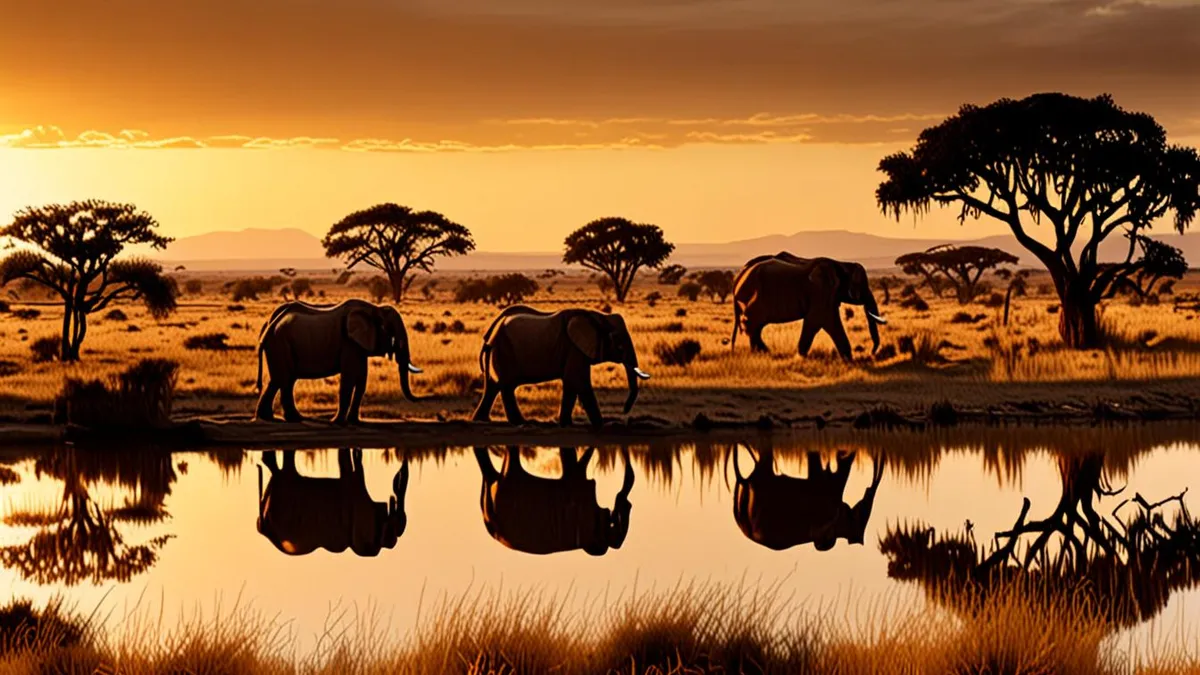
- Viewing decks over waterholes – raised platforms where elephants, antelope and other animals may come to drink without you leaving camp.
Wi-Fi, where available, is usually limited to the main lounge and can be slow, so treat connectivity as a bonus rather than a given.
Game Drives and Wildlife Viewing
Wildlife viewing is the heart of any lodge stay, and the good news is that most lodges include two shared game drives per day in the rate. You’ll ride in open-sided 4×4 vehicles with a driver-guide and, at many lodges, no more than six or seven guests per vehicle, giving everyone a window seat and clear views for photography.
What you’re likely to see
Kenya’s most famous parks concentrate Big Five sightings: lion, leopard, elephant, buffalo and rhino. The Masai Mara, Amboseli and Tsavo are the strongholds for these animals, though every reserve has its own character. The Mara excels at big cats, Amboseli is famous for its large elephant herds, and Tsavo offers vast, less crowded landscapes.
The Great Migration
From July to October, the Great Migration brings enormous herds of wildebeest and zebra into the Masai Mara, with dramatic river crossings as animals brave crocodile-filled waters. Timing the exact crossings is never guaranteed, as they depend on rainfall and herd movement, but staying in the Mara during these months puts you in the best position. Book early if this is your goal, as spaces fill up well in advance.
When to Go: Seasons and Wildlife Timing
Kenya’s wildlife calendar follows the rain, and picking your dates shapes almost everything about your stay. The dry season from June to October is the classic choice: grass is short, water sources shrink, and animals gather predictably around rivers and waterholes. That makes spotting them from the lodge vehicle far easier than during the green months.
The long rains from March to May tell a different story. Rates drop noticeably, and some lodges close entirely for renovations or because muddy tracks make sections of the reserves hard to reach. If you travel then, expect dramatic skies, lush landscapes and plenty of newborn animals, but also delays and the occasional drive cut short by weather.
Between those two extremes sits a shorter dry spell from January to February. Vegetation thins out again, wildlife viewing stays solid, and the crowds of the migration season have gone home. It is a favorite window for travelers who want good game viewing without peak-season demand.
- June to October: The Great Migration moves through the Masai Mara from July to October, so river crossings and massive herds are possible during this stretch, especially in the Mara.
- January to February: Calving season for many antelope species falls in this window, drawing predators and giving photographers action without the peak-season vehicle traffic.
- March to May: Birdlife peaks as migratory species arrive in breeding plumage, so this is the best stretch for serious birders despite the rain.
What a Safari Lodge in Kenya Costs and How to Book
Safari pricing in Kenya varies more than most first-timers expect, and the difference usually comes down to comfort level and exclusivity. Two lodges sitting minutes apart can quote wildly different rates, and both may be reasonable for what they offer. Knowing what a quoted rate actually covers is just as important as the number itself, because extras can quietly add a surprising amount to your final bill.
- Set your budget tier. Mid-range full-board lodges typically run $150–$400 per person per night, covering meals and usually two shared game drives. Luxury camps and private conservancies charge far higher rates, often several times more, in exchange for fewer guests, larger tents and more personal guiding. Decide early which tier fits your trip, as it shapes every other choice you make.
- Book early for peak season. The July–October migration window sells out fast, so reserve your stay 6–12 months ahead. The best-positioned lodges inside the reserves fill first, leaving late bookers with long daily transfers or less desirable rooms.
- Ask exactly what is excluded. Park and reserve entry fees, drinks, laundry, light-aircraft flights and tips are frequently billed separately. Get the lodge to confirm in writing which of these sit outside your quoted rate so you can budget honestly.
One practical tip: compare quotes on the same basis. A seemingly cheap rate that excludes park fees and transfers can end up costing more than a slightly higher all-inclusive one, so line up the inclusions side by side before you commit. It also helps to ask about single supplements, child rates and any minimum-stay requirements during peak weeks, since these vary noticeably between lodges and can shift your total significantly.
Getting There and Choosing Your Region
Most Kenya safari trips start in Nairobi, and how you get from there to your lodge depends heavily on which region you choose. The three headline destinations each suit a different style of travel.
The Masai Mara
The Masai Mara sits roughly 270 km from Nairobi, which translates to a 5–6 hour drive on roads that vary in quality, or a quick 45-minute flight. The road option keeps costs down and lets you see the Rift Valley along the way, but it eats a large chunk of your first and last day. Flying in maximizes time on the ground and is the standard choice for shorter trips.
Amboseli and Tsavo
Amboseli is the pick if you want classic images of elephant herds with Kilimanjaro rising behind them, and its open plains make animal spotting straightforward. Tsavo, split into East and West, works well for travelers combining safari with a beach stay, since it sits on the road route between Nairobi and the coast.
If your itinerary includes light-aircraft flights between parks, keep your luggage soft-sided and light. Baggage limits on these small planes are typically around 15 kg per person, including camera bags, so hard-shell suitcases and overpacking can cause real problems at the airstrip. Check your operator’s exact limit before you fly.
Wrapping Up Your Kenya Lodge Stay
A stay at a Kenyan safari lodge is far more predictable than most first-time visitors fear. Once you know the rhythm — an early drive, a long midday rest, an afternoon outing and dinner under the stars — the days stop feeling like a mystery and start feeling like something you can actually look forward to. There are no real surprises hiding in the fine print either: a mid-range full-board rate of $150–$400 per person per night typically covers your meals and two shared game drives, so you can budget with confidence before you ever leave home.
Timing is the last piece of the puzzle. June to October remains the most reliable window for wildlife, with thin vegetation and easy spotting, though shorter dry spells and lower rates exist if you prefer a quieter trip. Picture the wake-up call, pack for cool mornings and warm afternoons, and you’ll arrive knowing exactly what to expect. If this helped you plan your first safari, leave a comment or share the article with a fellow traveler.