Trying to figure out a fair lodge stay cost in Canada can feel like guesswork. On the same trip, you might pass a roadside cabin renting for under CAD 150 a night and a fly-in wilderness retreat charging well over CAD 1,000 per person, meals and guides included. Both are called lodges, yet they offer completely different experiences, and travelers often have no idea which end of the scale they are actually booking.
This guide breaks down what lodges really cost across the country. We will walk through the three main price levels, show how region and season move the numbers, and explain what a nightly rate actually includes. You will also find practical advice on how far ahead to book and how to match a lodge to your travel style, whether you are planning a family cabin trip, a couples’ mountain escape, or an all-inclusive fishing week. By the end, you should be able to spot a fair price before you click reserve.
What a Lodge Stay Cost in Canada Looks Like at Each Price Level
Canadian lodges fall into three broad price bands, and knowing which one you are shopping in makes comparing rates far easier. The cheapest tier is the budget cabin or roadside lodge, which typically runs CAD 120–200 per night for two people. These properties cluster near national park gateways and along highway corridors, offering simple rooms or small cabins with basic kitchens or nearby dining. You trade amenities for location and price, which is often exactly what road-trippers want.
Mid-range and full-service lodges
The middle band covers full-service lodges at roughly CAD 250–500 per night. At this level you can expect comfortable rooms, a restaurant on site, and often extras like a sauna, hot tub, or dock access. Many fishing and wilderness properties in this range include meals in the rate, which changes the math considerably when you compare them against a cheaper room-only option.
At the top end, remote fly-in and luxury wilderness lodges charge CAD 800–1,500+ per night. These rates are almost always all-inclusive, bundling dining, guided activities, and sometimes floatplane transfers into one price. A night there is expensive on paper, but it replaces a hotel, restaurant bills, and paid excursions all at once.
How Region Changes the Price
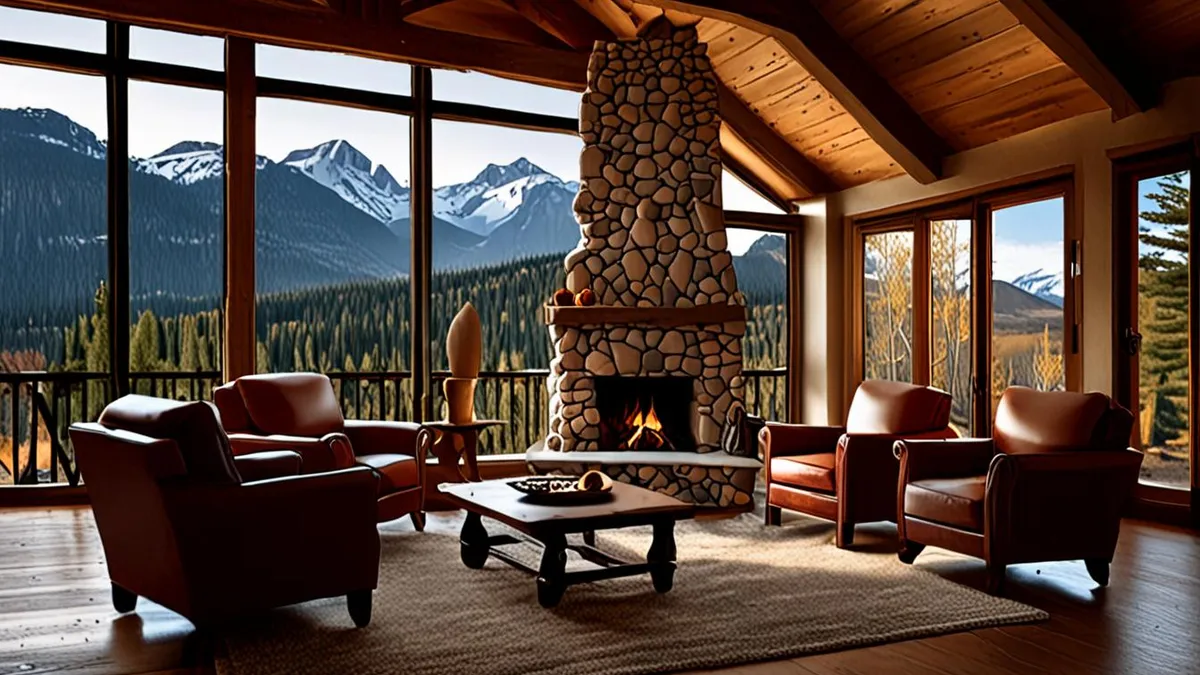
Where you book matters almost as much as when. Rocky Mountain lodges in Alberta and British Columbia command the highest rates in the country, and the premium is steepest near Banff, Jasper and Whistler, where demand from international visitors keeps prices high year-round. If mountain scenery is your priority, it helps to read a dedicated guide to Canada’s mountain lodges before comparing rates, since properties just outside the main park towns can cost noticeably less for similar views.
Coastal and northern options
Vancouver Island coastal lodges sit in the mid-to-high range. Whale-watching and fishing seasons drive demand here, so the same room can swing significantly in price depending on when the salmon are running or the orcas pass through. Booking outside those peak windows is the easiest way to soften the rate.
Northern and fly-in lodges in Ontario, Manitoba and the territories look expensive at first glance, often costing more per night than mid-range southern properties. The difference is what is bundled in: meals, boats, and guides are typically part of the rate. Once you add up what you would otherwise pay for food and guided outings, the per-day cost is often more reasonable than the nightly number suggests.
Seasonal Pricing: When Lodges Are Cheapest and Most Expensive
Timing is the single biggest lever on your lodge bill. June to September is peak season across Canada, when lake and mountain lodges charge their highest rates and the smallest properties sell out months in advance. Warm weather, long days, and school holidays all push demand to its ceiling at once.
Winter brings a second peak, this time at ski-country lodges. December to March is prime season in places like Whistler and the Rockies, and holiday weeks, especially Christmas and February school breaks, are consistently the most expensive dates on the calendar. If your dates are flexible even by a few days, moving away from those weeks can shrink the rate noticeably.
The sweet spot for value is the shoulder season. May, and late September through October, often cut rates by 20–40% compared with peak, while still offering good weather and strong wildlife viewing. A few specific reasons why shoulder months deliver outsized value:
- Lakes are calm and trails quiet in May, before the summer crowds arrive, so you get peak-season scenery without peak-season pricing.
- Late September brings fall colors and active wildlife, including elk rutting season in mountain parks, at a fraction of August rates.
- Lodges are less fully booked in shoulder months, which means more room to negotiate, upgrade, or book on short notice.
What Is Usually Included in the Rate
One of the biggest mistakes travelers make when comparing lodge prices is assuming every rate means the same thing. It rarely does. A nightly price at a lodge near a town or highway usually covers the room and little else, while a remote wilderness lodge often quotes a figure that includes far more than a bed.
Room-only rates at accessible lodges
Lodges located close to cities, towns, or park gateways typically quote room-only. Breakfast might be available for an extra charge, and dinners, canoe rentals, guided hikes, and boat trips all get added to your bill. A rate that looks cheap on a booking site can grow quickly once you add two restaurant meals a day and a paid excursion or two.
All-inclusive rates at remote lodges
Remote wilderness lodges work differently. Many bundle accommodation, three meals a day, use of boats or gear, and guided outings into one nightly price. When a floatplane is the only way in, there is no restaurant down the road, so the lodge has to provide everything. That higher sticker price often represents genuine value once you break it down.
The smartest comparison is total trip cost per day, not the room rate alone. A CAD 900 all-inclusive lodge with meals, boats, and guides included can easily beat a CAD 300 lodge plus paid excursions and dining, which might add CAD 400–600 per day for two people. Before booking, list what each property includes, estimate what you would pay extra elsewhere, and compare the real daily total. The “expensive” lodge is often the cheaper trip.
How Far Ahead to Book for the Best Rates
Lodge availability in Canada is largely a matter of simple math: popular properties are small, and demand during peak periods far outstrips supply. Many of the most sought-after lake and mountain lodges have only a handful of cabins or rooms, so a single family reunion or fishing group can absorb a big chunk of a season’s calendar. That means knowing when to book matters almost as much as knowing where. Here is a practical timeline to work from, based on how Canadian lodges actually fill up.
- Book summer lodges 6–9 months ahead. For stays between June and September at popular lake and mountain lodges, reserve as early as you can. Many of these properties have only 10–20 rooms, so availability disappears quickly once the calendar opens. Booking in this window gives you the widest choice of rooms, dates, and cabin types, which matters if you need a specific layout for kids or a group.
- Plan winter trips 3–6 months out. Ski-country lodges and winter wilderness properties need less lead time than summer ones, but not much less. If your dates fall over Christmas or February ski weeks, add extra months to that timeline, since holiday periods are the most expensive and the quickest to fill.
- Use shoulder season for flexibility. Stays in May or late September through October can often be booked just 1–3 months ahead. Because demand is softer, some lodges even offer last-minute discounts to fill empty cabins, which is a genuine opportunity if your schedule is flexible. You also get quieter trails and good wildlife viewing as a bonus.
Whatever window you are working with, it pays to ask about deposit and cancellation policies when you book, since remote lodges often have stricter terms than hotels. Some wilderness properties require a substantial deposit months in advance and have limited refund windows, so read the fine print before committing. And if your preferred dates are already gone, ask to join a waitlist or inquire about cancellations, as plans change more often than you might expect at small properties. A polite email a few weeks before your target dates can sometimes land you a cabin that was fully booked all season.
Choosing a Lodge That Fits Your Budget and Travel Style
The right lodge depends on who is traveling and what you want out of the trip. A property that is perfect for a fishing group can feel isolated for a couple who wants restaurants and evening strolls, and a romantic mountainside lodge can be an expensive squeeze for a family of four. Matching the lodge type to your travel style is where real savings happen, because the cheapest option on paper is rarely the best value once you add up what each traveler actually needs.
Families generally get more for their money at lodges offering multi-room cabins or dedicated kids’ programs, since one nightly rate covers more people and more built-in entertainment than a standard hotel room ever could. If you are weighing options, our guide to family lodges in Canada goes deeper on what to look for.
Couples chasing scenery can play the calendar to their advantage. Mountain and lakeside lodges in the shoulder months of May or late September through October often cost noticeably less than peak-season rates, with quieter trails and calmer lakes as a bonus. Traveling outside the summer rush can also mean an upgraded room for the price of a standard one.
- Families: Look for lodges with multi-room cabins, kitchenettes, and on-site kids’ activities like supervised nature programs or canoe lessons, which stretch the nightly rate further than booking two separate hotel rooms.
- Couples: Prioritize lodges with private lakefront or mountain-view settings in shoulder season, when rates drop and you share trails, docks and viewpoints with far fewer people.
- Anglers and adventure travelers: All-inclusive fishing and wilderness lodges deliver the best value because guides, boats, tackle, and gear are bundled into the rate, so you are not paying separately for each day on the water.
Wrapping Up: Budgeting Your Canadian Lodge Trip
So, what does a fair price for a Canadian lodge look like? A lodge stay cost in Canada spans roughly CAD 120–200 per night for simple cabins and roadside lodges, CAD 250–500 for mid-range full-service properties, and CAD 800–1,500+ for remote, all-inclusive wilderness retreats. If a quote falls far outside those bands, it is worth asking exactly what is behind the number.
Region and season move the price most. Expect the highest rates during the June to September peak, while shoulder months like May and late September–October can cut rates by 20–40%. For summer trips, booking 6–9 months ahead matters, and comparing an all-inclusive rate against a room-only rate plus paid activities gives you the clearest picture of the true daily cost. Have you stayed at a Canadian lodge recently, or do you have a question about planning your own trip? Leave a comment below or share this article with a fellow traveler.