Many first-time glampers book what looks like a cozy tent, then arrive wondering where the bathroom is, whether they can light a fire and why they should have brought a warmer blanket. The problem is simple: a glamping site promises a mix of camping and hotel comfort, but the details of what’s included, what’s forbidden and what you need to pack yourself vary from one place to the next.
This guide walks you through the whole experience so nothing catches you off guard. We’ll explain what a glamping site actually is and what types of units you can book, look at the private facilities inside your unit and the shared amenities around the site, cover the house rules worth reading before you pay, and share practical tips on how to book the right spot and what to pack. By the end, you’ll know exactly what to expect from your first night under canvas.
What a Glamping Site Actually Is
Glamping is essentially camping without the discomfort. You stay in a camping-style location, often surrounded by fields, forest or coastline, but instead of a sleeping bag on uneven ground you get a real bed with a mattress, solid flooring and proper lighting. Many units also include heating or cooling, which makes a huge difference on chilly nights. Think of it as a small hotel room with canvas or wooden walls, placed somewhere far more interesting than a city block.
The accommodation itself comes in several shapes, and each type offers a different balance of space, insulation and atmosphere. A family of four will want something very different from a couple looking for a quiet weekend, so it pays to compare options before you book. Knowing the differences helps you pick the right unit for your trip, the weather you expect and your budget.
Common unit types
- Safari tents are roomy canvas structures, often raised on wooden decks, with space for a family and separate sleeping areas.
- Bell tents are round, single-room canvas tents — simple, atmospheric and usually the most basic and affordable option.
- Yurts are circular tents with a lattice frame and felt insulation, so they hold warmth better than plain canvas.
- Cabins are solid wood structures with the best insulation and often full plumbing.
- Domes and A-frames are modern, geometric units, popular for their panoramic windows, sturdy frames and photogenic looks.
What you’ll pay
Prices typically run $80-150 per night for a basic tent and $250-500+ for a luxury lodge. Rates are usually cheaper midweek than on weekends, so shifting your stay by a day or two can make a noticeable difference over a multi-night trip. Expect premium rates during peak season and lower ones in quieter months. Always check what the price includes, since inclusions vary widely between sites, and look for extra charges such as cleaning fees before you compare the final totals.
Private Facilities Inside Your Unit
The main selling point of glamping is what’s waiting inside your unit. At a minimum, expect a real bed made up with linens and extra blankets, plus lighting you can actually read by. Most units also come with some form of climate control — a wood stove, an electric heater or air conditioning — so you’re comfortable no matter the weather outside.
Bathroom arrangements are where sites differ most, so this is the one thing to verify before booking. Mid-range and luxury units almost always have an en-suite bathroom with a toilet and hot shower. Budget tents, on the other hand, may only offer a sink, leaving you to use a shared shower block. If a private bathroom matters to you, filter and read the listing carefully.
Higher-end units usually include a small kitchenette, or at least a kettle and a mini-fridge. Before you plan any meals, check the listing for cooking gear — some sites stock full cookware while others provide nothing beyond the appliances.
Beyond the basics, listings often mention extras that make a stay more comfortable. Look for details such as:
- Towels and bedding changes — some sites refresh linens for longer stays, while shorter bookings get one set only.
- Firewood supply — units with a wood stove may include an initial bundle, with more available to buy on site.
- Power outlets — canvas units usually have limited sockets, enough for phone chargers but not much more.
- Mosquito nets or screened windows — common in warmer regions and worth confirming if you’re sensitive to insects.
Shared Amenities Around the Site
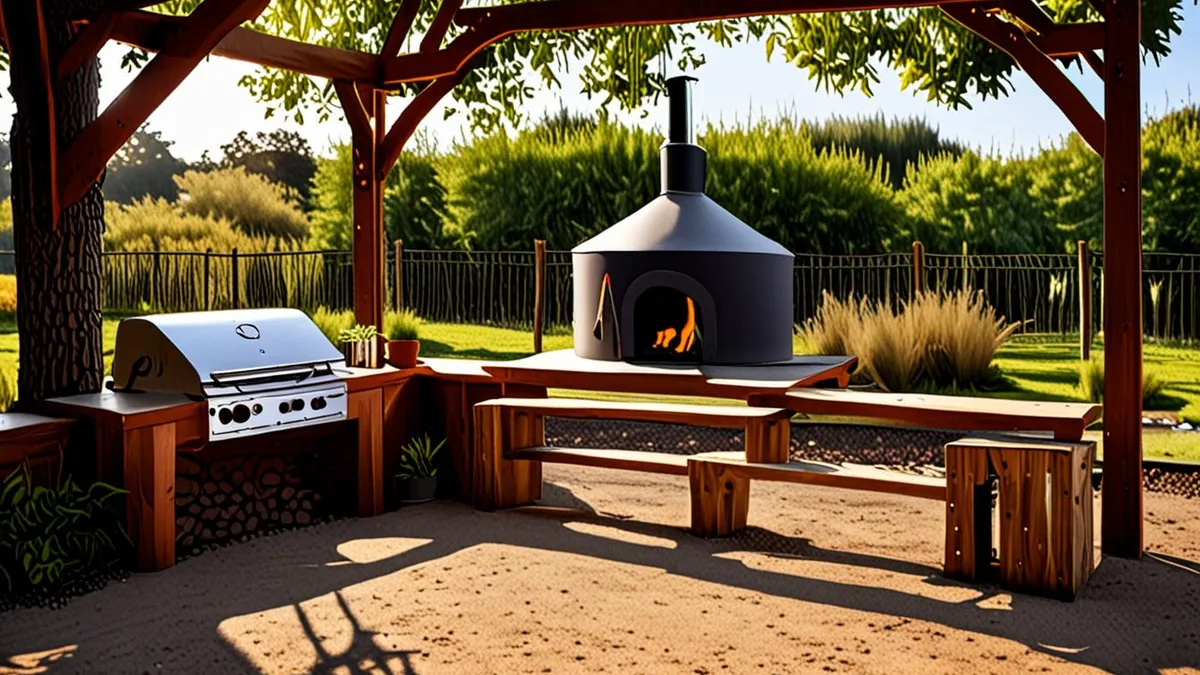
Not everything at a glamping site is inside your unit. Most sites back up the private facilities with a set of communal amenities, and these are especially useful if you booked a budget tent without an en-suite bathroom. Typical shared facilities include shower blocks, camp kitchens, fire pits, BBQ stations and laundry rooms, so you can cook, clean and do laundry even in the simplest accommodation.
Many sites go further and add extras that turn a simple stay into more of a resort experience. Depending on where you book, you might find hot tubs, saunas, playgrounds for children, bike rentals or even an on-site cafe serving breakfast and coffee. These add-ons often come with an extra fee, so check what’s free and what isn’t.
One thing that surprises many first-time glampers is the layout. Tent-only zones often sit a 5-15 minute walk from the parking area — great for peace and quiet, less great if you’ve overpacked. Most sites anticipate this and offer help with luggage. Expect conveniences such as:
- Luggage carts — available to borrow so you can move bags from the lot in one trip.
- Staff assistance — some sites will carry your bags to the unit on arrival, especially at higher-end properties.
- Designated drop-off points — spots near the tent zone where you can briefly pull up before returning your car.
- Path lighting — many sites mark walkways with lanterns, but a personal flashlight is still smart after dark.
House Rules You Should Know Before Booking
Glamping sites run on a hotel-style schedule, but with a few extra rules that come from being outdoors in a shared natural setting. Before you confirm a booking, read the house rules carefully — they explain what the site expects from you, and they vary more between glamping sites than they do between regular hotels.
Check-in typically opens around 3 pm, and check-out is usually required by 10-11 am the next morning. Quiet hours commonly start between 10 pm and 11 pm, which matters more here than at a resort because canvas walls let sound travel. Most units also cap occupancy at 4-6 guests, so a tent listed for four people really is meant for four — bringing extra sleeping bags and squeezing in friends can get your whole group turned away.
Beyond the schedule, expect restrictions on pets, drones and open flames. Campfires are usually only allowed in the provided fire rings, never beside your tent. Some sites enforce their quiet policy strictly, and repeated noise complaints can lead to eviction with no refund.
- Pets: even where dogs are welcome, they usually must stay leashed and are rarely allowed on beds or furniture, and some sites charge a pet fee — ask before booking.
- Drones: many sites ban them entirely to protect other guests’ privacy and local wildlife, so leave yours at home unless the listing says otherwise.
- Firewood: campfires in the fire ring are often fine, but bringing your own wood is sometimes discouraged to avoid spreading pests — many sites sell bundles on-site instead.
- Smoking: expect smoking to be banned inside canvas units, and sometimes across the whole site during dry conditions.
- Visitors: daytime guests beyond your booked party often need to be registered with the site in advance, and usually can’t stay overnight.
How to Book the Right Glamping Site
Booking a glamping site is straightforward, but the popular ones fill up fast, and the details hidden in each listing can make or break your stay. A few minutes of preparation will save you from arriving at a tent without towels or a bathroom. Here’s how to approach it step by step, from picking your dates to clicking the final booking button with confidence.
- Book early for peak season. For summer weekends between May and September, reserve 2-3 months ahead, because the best units at popular sites sell out first. For midweek stays, booking 4-6 weeks ahead is usually enough. If your dates are flexible, ask the site which nights tend to be quieter.
- Read the listing line by line. What’s included varies widely: some sites provide linens, towels and a fully stocked kitchen, while others charge extra or expect you to bring basics. Check whether Wi-Fi is available or whether the site is intentionally offline, and plan accordingly if you need to work or stay in touch.
- Filter by bathroom setup. If a private en-suite bathroom matters to you, filter listings that way — budget tents often share a shower block, and photos don’t always make this obvious. When in doubt, message the host directly and ask them to confirm what’s inside the unit.
- Confirm how close you can park. At many sites, tent-only zones sit away from the car park, and that matters if you’re traveling with kids or heavy bags. Ask whether they provide luggage carts or staff help carrying gear, and pack a bag you can carry comfortably.
- Compare the fine print on cancellations. Small glamping operations often have stricter cancellation terms than hotels, so check the policy before paying in full. Look at how refunds are handled if weather turns bad, since some canvas units are harder to rebook at short notice.
Once you’ve compared a few options, don’t overthink it. Reviews from recent guests are the best guide to whether a site delivers what its listing promises, so skim the most recent ones before you click book. Pay attention to comments about cleanliness, noise and how responsive the hosts were when something went wrong. If several guests mention the same issue, take it seriously — and if a site consistently gets praise for small touches like fresh flowers or a stocked firewood pile, that’s usually a good sign.
What to Pack for a Glamping Trip
Packing for glamping sits somewhere between packing for a hotel and packing for a campsite. You don’t need sleeping bags or cooking gear if the listing includes them, but you’re still sleeping outdoors, and that changes what belongs in your bag.
The biggest surprise for first-timers is the temperature. Canvas units warm up nicely in the afternoon but cool down quickly after sunset, even on summer nights. Pack layers — a fleece, warm socks and proper sleepwear — so you’re comfortable at midnight without running the heater all night. Sturdy shoes are also essential, since you’ll likely walk between your unit and the shower block or fire pit on grass or gravel paths, often after dark.
- Flashlight or headlamp: paths between units are rarely lit, and a headlamp keeps your hands free for carrying toiletries to the shower block.
- Refillable water bottle: many sites have a shared water point rather than taps at every unit, so a bottle saves repeated trips.
- Cash or card for extras: firewood bundles, coffee at an on-site cafe or rental gear like bikes are often paid on-site, and small operators don’t always take every payment method.
- Power bank: outlets inside tents and yurts can be limited to a single socket, so a charged power bank keeps phones and cameras running.
- Slip-on shoes or sandals: handy for quick trips outside the tent and for keeping the floor cleaner, since canvas units track in dirt easily.
Finally, leave valuables at home. The walls of your unit are canvas, not steel, so anything you wouldn’t leave in a park bench locker shouldn’t come along. A good book, a warm layer and a flashlight cover most of what a glamping trip actually demands.
Wrapping Up Your First Glamping Stay
A glamping site blends the camping atmosphere with real comfort: proper beds, private or shared bathrooms, communal fire pits and an outdoor setting that a hotel simply cannot offer. The main things to know before you go are practical ones. Book early for the May-September season, respect quiet hours and occupancy limits, and arrive prepared with layers and a flashlight so the evenings and the walk back from the fire pit stay enjoyable.
With the right expectations, glamping delivers everything people love about camping without the discomfort that puts many first-timers off. Check the listing carefully, pack sensibly and you will get a genuinely restorative night under canvas. Have you tried glamping yet, or do you have a question before your first stay? Leave a comment below or share this article with a friend who needs a nudge outdoors.