The UK packs an extraordinary range of landscapes into a small island, which is exactly what makes choosing where to go so tricky. Do you want sea views in Cornwall, a lakeside pod in the Lake District, a yurt beneath Welsh mountains, or a remote cabin in the Highlands? And which of those actually makes sense for the dates you have in mind and the budget you’ve set?
This guide breaks glamping in the UK down by region and by season, so you can match the right stay to the right month. We’ll look at what each area does best, what typical nightly prices look like, and when to book for peak summer trips. Whether you’re planning a coastal escape, a walking-focused break, or a long, light-filled Highland summer, you’ll finish with a clear shortlist and a sensible booking plan.
Why Glamping in the UK Suits Every Kind of Traveler
Glamping removes the biggest barrier that keeps people out of the countryside: gear. Instead of buying a tent, sleeping bags, a stove and a cool box, you arrive at a structure that already has real beds, heating and, in many cases, en-suite facilities. You get the outdoor setting — fields, woodland, coast or mountains — without the packing list or the soggy-canvas risk.
Different regions, different stays
The style of glamping shifts noticeably as you move around the country. Safari tents dominate the South West, where the warmer summer weather suits canvas and wide verandas. Pods are the go-to in Scotland, where a solid wooden structure copes better with changeable Highland weather. Yurts and cabins spread across Wales and the Lake District, often sitting on small farm sites with plenty of space between them.
Distance is rarely the problem. The UK’s compact size means most regions are reachable within a 3–5 hour drive from major cities, so a glamping trip can fit into a long weekend without an exhausting journey. That makes it realistic to pick a region based on the season rather than settling for whatever is closest — and this guide is built around exactly that choice.
South West England: Coastal Glamping in Cornwall and Devon
If your priority is warm weather and sea views, the South West is the strongest bet in the country. Cornwall and Devon average 18–20°C in July and August, the warmest UK glamping months, and that extra few degrees makes a real difference when you’re eating breakfast on a deck or leaving the tent flaps open in the evening.
What to expect from coastal sites
The signature stay here is the safari tent: a large canvas structure on a wooden platform, usually with a proper kitchen, comfortable beds and often a wood-burning stove. Yurts are also common, particularly slightly inland where sites have more space. Premium safari tents close to the coast command peak-season rates of £150–£300+ per night, so a week in high summer is a significant spend — worth it if sea proximity matters to you, less so if you’re happy to drive ten minutes to the beach.
Book early or miss out
Coastal sites in Cornwall and Devon fill faster than anywhere else in the country. For July and August stays, book 3–6 months ahead; school summer holidays are the tightest window of all, with the best-equipped tents often gone before spring. If your dates are flexible, shifting to late May or September usually opens up both availability and better rates, though you trade some of that summer warmth. Check individual sites for current prices and minimum-stay rules, as these vary widely between operators.
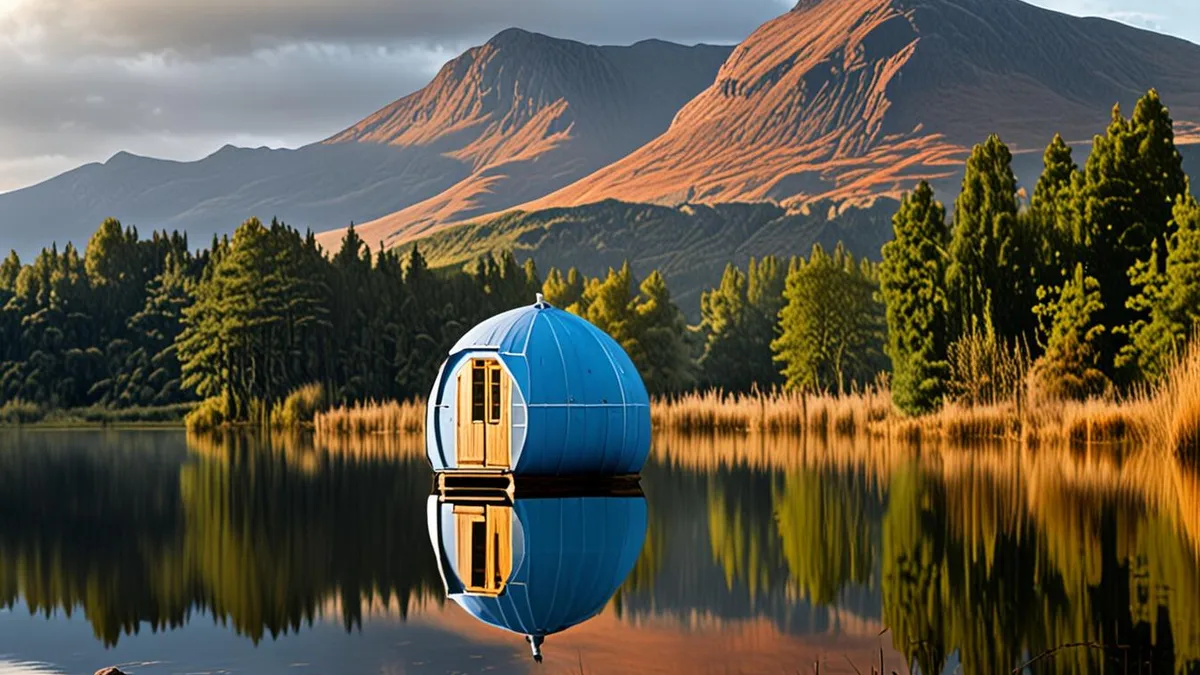
Lake District and Yorkshire Dales: Lakeside Pods and Cabins
The Lake District rewards visitors who time their trip well. Its wettest months run from October to January, so if you’re glamping lakeside, May and June are the driest months and the smartest window — long evenings, greener hillsides and a much lower chance of spending your stay inside watching the rain. Because the region sits within easy reach of several major cities, it also works well for shorter breaks, though the most scenic sites still fill up quickly in good weather, so it pays to plan ahead rather than book on a whim.
Accommodation here leans towards wood rather than canvas. Wooden pods and cabins typically cost £60–£120 per night, many with valley or lakeside views from a picture window. It’s a more affordable entry point than a Cornish safari tent, and the solid walls make the region’s famously changeable weather far less of an issue. Many pods also come with proper kitchens and en-suite bathrooms, so you get the feeling of being out in the fells without giving up everyday comforts.
This is walking country first and foremost. Sites cluster near hiking terrain rather than the coast, so think about which fells or valleys you want on your doorstep before booking, and check how far the nearest trailhead, village shop and pub actually are. A pod that looks remote on the map can be perfect for a walking-focused trip but awkward if you’d like an easy evening meal out, so match the location to how you plan to spend your days.
- Ask about heating and insulation. Even in May and June, Lake District nights can turn chilly, so a pod with electric heating or a log burner makes evenings far more comfortable than a basic summer-only unit.
- Check parking arrangements at the pod. Some sites keep cars in a central car park and use wheelbarrows for luggage — charming on a dry evening, less so with heavy bags in drizzle.
- Look at the water access, not just the view. “Lakeside” can mean anything from a private shore path to a glimpse of the lake between trees, so study site maps and photos before you commit.
- Consider extending into the Yorkshire Dales. The Dales sit within easy driving distance and share the same walking-focused, pod-and-cabin style, which can mean quieter sites and a different landscape for a second half of your trip.
Wales: Pembrokeshire and Snowdonia for Wild Landscapes
Wales offers some of the wildest glamping settings in Britain, and two areas stand out. Pembrokeshire in the south-west combines coastal scenery with proper walking country, while Snowdonia (Eryri) in the north puts you right under the mountains. Both reward travelers who want landscape first and nightlife last.
Pembrokeshire: coastal glamping with a trail on the doorstep
Pembrokeshire’s big draw is the Pembrokeshire Coast Path, which runs 186 miles along the county’s coastline. Many glamping sites sit within easy reach of a section of the path, so you can step out of your yurt or cabin in the morning and be walking above sea cliffs within minutes. Expect rugged headlands, sandy bays and small harbor villages rather than resort towns.
Snowdonia (Eryri): mountain yurts and cabins
Head north and the scenery changes to peaks, lakes and steep valleys. Snowdonia (Eryri) is best visited between May and September, when the weather is at its most stable and the mountain trails are in good condition. Yurts and timber cabins here tend to be tucked into valleys, giving you dramatic views the moment you unzip the door.
One thing that sets Welsh glamping apart is how often sites sit on working farms. That means sheep in the next field, a farmer who knows the best local walks, and a quieter, more rural feel than you’ll find at larger commercial sites. Nightly rates typically fall in the £70–£130 range, which makes Wales one of the better-value corners of the UK for a glamping break.
Scottish Highlands and Islands: Remote Glamping at Its Best
The Scottish Highlands and islands deliver the most remote glamping in the UK, and that remoteness is the whole point. June through August is the prime window, with daytime highs of 17–19°C and daylight that stretches late into the evening. Midsummer, it can stay light until well past10 pm, which gives you long evenings to explore after a day out.
The climate here is changeable, and experienced operators know it. That’s why glamping pods and bothy-style cabins are a smarter pick than canvas options in this part of the country. A solid wooden structure with proper insulation and heating keeps you comfortable through a squally night in a way a tent simply can’t.
Travel is the other factor to plan around. The Highlands and islands demand the longest journey times of any UK glamping region, whether you’re driving north from the central belt or catching a ferry to an island. Because of that, plan stays of 3 nights or more so the travel effort pays for itself.
- Midges appear in summer. Tiny biting insects are active in the warmer months, especially near water and in still conditions, so pack a head net and repellent.
- Ferry routes need separate booking. If you’re heading to the islands, reserve your vehicle ferry crossing well ahead of your accommodation, as summer sailings fill up.
- Fuel stops can be far apart. In remote glens and on islands, filling stations are sparse, so top up whenever you can rather than running close to empty.
- Single-track roads slow you down. Many Highland routes have passing places, so budget extra driving time beyond what the mileage suggests.
Choosing Your Season and Booking Smart
Timing shapes almost everything about a UK glamping trip, from what you’ll pay to how busy the site feels. The good news is that the pattern is predictable, so a little planning goes a long way. Work through the steps below to lock in the region, season and price you want, and you’ll avoid the disappointment of finding your first-choice site already full.
- Decide between peak and shoulder season first. Peak season runs from late May to early September, when sites are busiest and rates are at their highest. Shoulder months of April–May and September–October bring milder weather, lower rates and fewer crowds, which suits travelers who value quiet over guaranteed sunshine.
- Book early for peak summer. The most popular sites in Cornwall and the Lake District fill months ahead for July and August, so reserve as far in advance as you can. Leaving it late usually means leftover slots at less appealing pitches.
- Set a realistic budget. Pods and yurts typically cost £60–£120 per night, while luxury safari tents in high summer run £150–£300+. Knowing which bracket you’re aiming for narrows your search immediately.
- Use the shoulder season to save. Trips in April–May or September–October often mean noticeably lower rates than August at the same sites, with the same facilities and views thrown in.
Once you’ve picked your window, check cancellation terms before paying a deposit, as UK weather can be unpredictable even in summer. Many operators offer flexible rebooking, so it pays to confirm the policy in writing. It’s also smart to ask exactly what’s included in the rate: bedding, towels, firewood and use of a wood-fired hot tub are common extras that some sites provide and others charge for separately. Finally, read recent guest reviews for notes on noise, mobile signal and the walk from the parking area to your tent or pod, since these practical details rarely appear on the booking page but make a real difference to how relaxed your stay feels.
Wrapping Up Your UK Glamping Plan
The trick to a great UK glamping trip is matching the region to your travel dates. Cornwall delivers the warmest summer weather, the Lake District is at its driest in May and June, and the Highlands offer long daylight hours from June to August. Decide what matters most to you, whether that’s coastline, lakes or mountains, and let the season point you to the right corner of the country.
Budget shapes the plan too. A simple pod or yurt keeps costs low, while a luxury safari tent in high summer sits at the top end of the range. Whatever you choose, book peak dates 3–6 months ahead, especially for Cornwall and the Lake District. Get the region and timing right, and one trip delivers both comfort and scenery. If this helped you plan, leave a comment or share the article with a fellow traveler.