You’ve booked time off, you want real quiet, and the idea of a poolside afternoon without splashing kids sounds perfect. But the term “adults-only resorts” covers a huge range of properties, from raucous party hotels to near-silent wellness retreats, and it’s not always clear what you’re paying for or whether the vibe matches what you have in mind.
This guide walks you through what adults-only actually means at check-in, what’s typically included in the price and where extra charges appear, and which travelers get the most out of these stays. We’ll also cover who should skip them, how to choose and book the right property, and where to find strong options across North America. By the end, you’ll know whether a child-free resort fits your travel style and how to get the best value on your dates.
What Adults-Only Resorts Actually Mean
The label sounds simple, but the details matter more than most travelers expect. Before you book, it helps to understand exactly what “adults-only” commits a resort to and what it doesn’t.
Age rules are enforced at check-in
Most adults-only resorts require guests to be 18 or older, while a meaningful number set the bar at 21. The policy is typically enforced at check-in, often with ID checks for every guest in the reservation, so there’s no room for negotiation once you arrive. Because policies vary widely even within the same chain or destination, verify the exact minimum age for your specific property before you book, especially if you’re traveling with a younger partner or friend.
The label says nothing about noise
Here’s the biggest misconception: adults-only does not automatically mean quiet. Some properties lean hard into pool parties, DJ sets and swim-up bar socializing, while others are near-silent wellness retreats where guests whisper through the spa corridor. Read recent guest reviews specifically for noise comments, and match the property’s personality to what you actually want from the trip.
Size is the other quiet advantage. Most adults-only properties run 100 to 300 rooms, considerably smaller than typical family resorts. In practice, that means shorter lines at breakfast, easier lounge-chair hunting at the pool and more open stretches of beach, simply because fewer people are sharing the same space.
What’s Typically Included and What It Costs
Pricing for adults-only resorts splits into two broad models, and knowing which one you’re booking changes the math considerably. All-inclusive plans generally run $400 to $800 per night for two people, covering meals, drinks and many on-site activities. Room-only or European-plan properties start around $250 per night, with dining and spa services billed separately as you go. Neither model is automatically cheaper, so the decision comes down to how you actually travel.
The right choice depends on your habits. If you plan to spend most days on property, lounge by the pool and enjoy cocktails with dinner, an all-inclusive rate often works out cheaper than paying à la carte for every meal and drink. If you’d rather eat at local restaurants off-site, take day trips and only sleep at the resort, the room-only route can be the better deal. Be honest about your plans before you book, because switching plans mid-stay is rarely an option.
- Spa treatments: Massages, facials and hydrotherapy circuits are almost never included, and resort spa menus typically price well above independent day spas nearby, so budget for treatments separately if wellness is a priority.
- Premium liquor: All-inclusive plans usually cover house-brand spirits, wines and beers, while top-shelf labels, aged rums and name-brand cocktails often carry an upcharge or require an upgraded drink package.
- Off-site excursions: Snorkeling trips, catamaran sails, zip-line tours and guided hikes are booked through the resort’s activities desk and billed as add-ons, often at a premium over booking directly with local operators.
- Private dining experiences: Chef’s-table dinners, beachfront tables and in-room dining frequently carry surcharges even at all-inclusive properties, and popular slots book out days in advance, so reserve early.
Whichever model you choose, ask the resort for a full list of what’s included before you commit. The fine print varies more between properties than any other single factor, and a few emailed questions up front can save you from surprise charges on checkout day.
Who These Resorts Suit Best
Adults-only resorts deliver the most value to travelers whose ideal trip revolves around calm, conversation and couple- or adult-focused amenities. If that sounds like you, you’re the target guest.
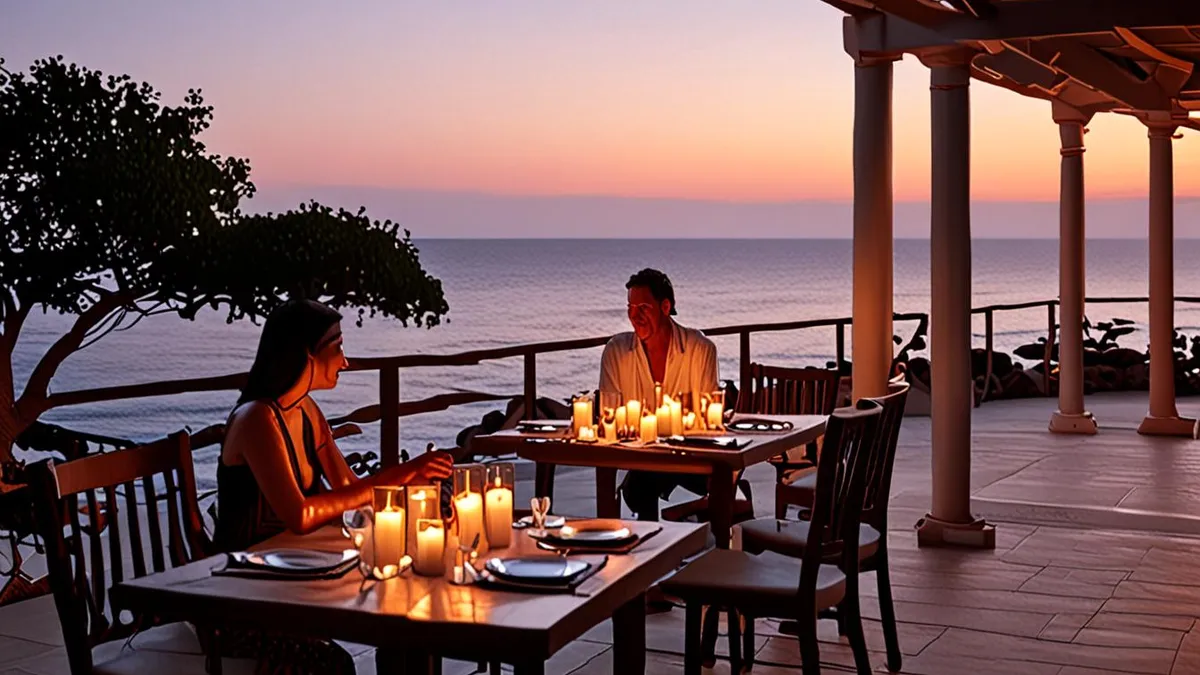
Couples get the clearest win. Honeymooners, anniversary celebrants and parents on a rare child-free vacation find that the quiet setting, couples’ spa treatments and romantic dining options justify the price on their own. Many properties add perks for honeymooners if you mention the occasion at booking, so it never hurts to ask.
Friend groups in their 30s to 50s are the second sweet spot. These travelers want pool days, nightlife and long social dinners without the family-resort atmosphere, and adults-only properties deliver that balance in a way family resorts can’t.
- Couples: Look for properties that offer couples’ massage suites, private cabana rentals and reservation-free à la carte restaurants, since these details separate a genuinely romantic stay from a generic one.
- Friend groups: Prioritize resorts with multiple pools, a swim-up bar and themed evening entertainment, which give a group plenty of shared activities without ever needing to leave the property.
- Solo travelers and remote workers: Seek out resorts with dedicated quiet workspaces, reliable Wi-Fi in rooms and structured wellness programming like morning yoga or guided meditation, which provide both productivity and an easy social rhythm.
Whichever category you fall into, the common thread is the same: you’re paying for a predictable, grown-up atmosphere, and you should choose a property that delivers the specific version of it you want.
Who Should Skip Them
Adults-only resorts are wonderful for the right traveler, but they are not a universal fit. Before you book, it helps to be honest about how you travel and what you want from a vacation. For some travelers, the calm setting that makes these resorts appealing is exactly what makes them a poor match.
The clearest mismatch is for families. Multigenerational groups and travelers with teenagers will generally get far better value at family-focused properties, which typically offer kids’ clubs, teen programming, larger pools, water parks and connecting rooms. An adults-only resort simply cannot compete on those facilities, and its higher nightly rates often reflect amenities a family will never use.
Budget travelers should also pause. If your ideal trip involves eating at local restaurants, exploring towns and spending little time at the resort, an all-inclusive adults-only rate can feel like paying for meals and entertainment you never touch.
Finally, some people genuinely love the energy of a busy family resort. If that sounds like you, the tone here may feel too subdued. Consider these situations:
- Multigenerational families: Grandparents, parents and kids traveling together need varied dining options, family suites and activities for every age, which adults-only properties rarely provide.
- Travelers with teens: Teenagers often want waterslides, game rooms and peers their own age, none of which are standard at a quiet couples-oriented resort.
- Daily explorers: If you plan to be off the property from morning until evening, paying a premium for on-site dining, pools and entertainment you barely use drains your budget fast.
- Energy-seekers: If constant activity, kids splashing in the pool and a lively lobby soundtrack are part of the fun for you, a hushed adults-only atmosphere may leave the trip feeling flat.
How to Choose and Book the Right One
A little planning goes a long way with adults-only resorts, because most properties are small and room categories are limited. With a bit of strategy, you can lock in the right room at the right price instead of settling for whatever is left when you finally book. These five practical steps cover the decisions that matter most, from timing your reservation to understanding exactly what your rate pays for. None of them take more than an hour, and together they can save you real money and a lot of frustration.
- Book 3 to 6 months ahead. With most adults-only resorts running 100 to 300 rooms, inventory is tight. Early booking secures the best rates and your preferred room category, especially for high season, before ocean-view and swim-out options sell out.
- Aim for shoulder season. Peak demand in beach destinations runs December through April. Traveling in shoulder months like May or late October typically saves 20 to 30 percent, with pleasant weather and thinner crowds as a bonus.
- Check minimum-stay rules. Many properties require 2 to 3 nights on weekends and holidays. Confirm this before you build an itinerary around a short stay, or you may find your preferred dates unavailable.
- Read recent guest reviews for noise. “Adults-only” covers everything from party resorts to silent wellness retreats. Reviews from the last few months will tell you whether the pool DJ runs until midnight or the loudest sound is the waves.
- Compare what each rate actually includes. Some plans cover meals, drinks and activities; others bill dining and spa separately. Doing this math before booking prevents surprise charges at checkout.
Once you have matched the property’s atmosphere, stay requirements and pricing structure to your travel style, the rest is easy. Set a rate alert, watch for seasonal promotions and book the room category you actually want rather than settling for what is left. A short phone call to the resort can also clarify anything the booking page leaves vague, from parking to late check-out.
Where to Find Adults-Only Resorts in North America
North America offers far more variety in adults-only travel than most people expect. Beyond the well-known Caribbean scene, you will find oceanfront escapes, desert spas and quiet lakeside retreats, each with a distinct personality and price range.
Beach Escapes in Florida and Hawaii
Florida and Hawaii offer the widest selection of oceanfront adults-only stays in the United States. In Florida, you can pair a beachfront room with easy access to dining and nightlife, while Hawaii’s properties trade party energy for sunsets, snorkeling and slow mornings by an infinity pool. Because demand peaks from December through April, booking early matters most at these beach destinations.
Desert, Mountain and Lakeside Retreats
If your ideal trip involves spa treatments and hiking rather than a swim-up bar, look inland. Arizona’s desert resorts are built around wellness, with morning yoga, thermal pools and treatment menus that draw travelers from across the country. Colorado’s mountain settings offer a similar calm, with alpine scenery that changes dramatically between summer and ski season.
Canada deserves a spot on the list too. Its luxury resort scene includes several serene lakeside and coastal properties geared toward couples, from quiet waterfront lodges to polished spa retreats. For a closer look at what is available, see our guide to luxury resorts in Canada, which covers the properties best suited to a romantic, low-key escape.
The Bottom Line on Adults-Only Resorts
If you want a genuinely quiet, child-free getaway, an adults-only resort delivers exactly that: calm pools, smaller crowds and amenities built around couples and relaxation. Expect to pay roughly $250 to $900 per night depending on the property and plan, with the atmosphere ranging from lively to near-silent depending on where you book.
These resorts suit couples, friend groups and quiet-seeking solo travelers best, while families and strict budget explorers will usually get more value elsewhere. To make the numbers work in your favor, book 3 to 6 months out and aim for shoulder season, when rates drop noticeably compared to peak months. If that sounds like your kind of trip, an adults-only stay is probably worth it. Have you stayed at one, or are you planning your first? Leave a comment or share this article with someone who needs a kid-free break.