Many travelers book an all-inclusive resort stay expecting everything to be covered, only to find a line of unexpected charges waiting at checkout. A spa treatment here, a premium cocktail there, and suddenly the “one simple price” is anything but. The good news is that a little preparation makes these surprises easy to avoid.
This guide walks through what a typical all-inclusive package actually covers, from meals and house drinks to activities and entertainment. We’ll also flag the common extras that usually cost more, explain how timing affects what you’ll pay, and share a simple checklist for comparing packages before you book. By the end, you’ll know exactly which questions to ask and how to match a package to your travel style, so the price you see when booking is close to the price you actually pay.
What an All-Inclusive Resort Stay Typically Covers
An all-inclusive resort stay bundles the essentials into one upfront price, which is why it appeals to travelers who want to budget a trip before they even pack. The core of most packages includes your lodging, three daily meals, snacks, and unlimited house drinks. That means breakfast, lunch, and dinner are covered, along with midday nibbles from poolside snack bars and standard pours of beer, wine, and mixed drinks.
Beyond food and drink, most resorts fold in a solid range of activities. Non-motorized options like kayaking and snorkeling gear are usually bundled in, along with access to the resort’s pools. If your idea of a vacation is alternating between the water and a lounge chair, you can often go days without reaching for your wallet.
Everyday conveniences that come standard
Wi-Fi, fitness centers, and daily entertainment programs are commonly included at no extra charge, so you can stream a show, get in a workout, or catch a live performance without signing anything. Keep in mind that exact inclusions vary by resort and package tier, so it’s smart to review the details before booking. The rule of thumb: the basics are covered, while anything premium or off-site usually is not.
Food and Drink: What’s Included and What’s Not
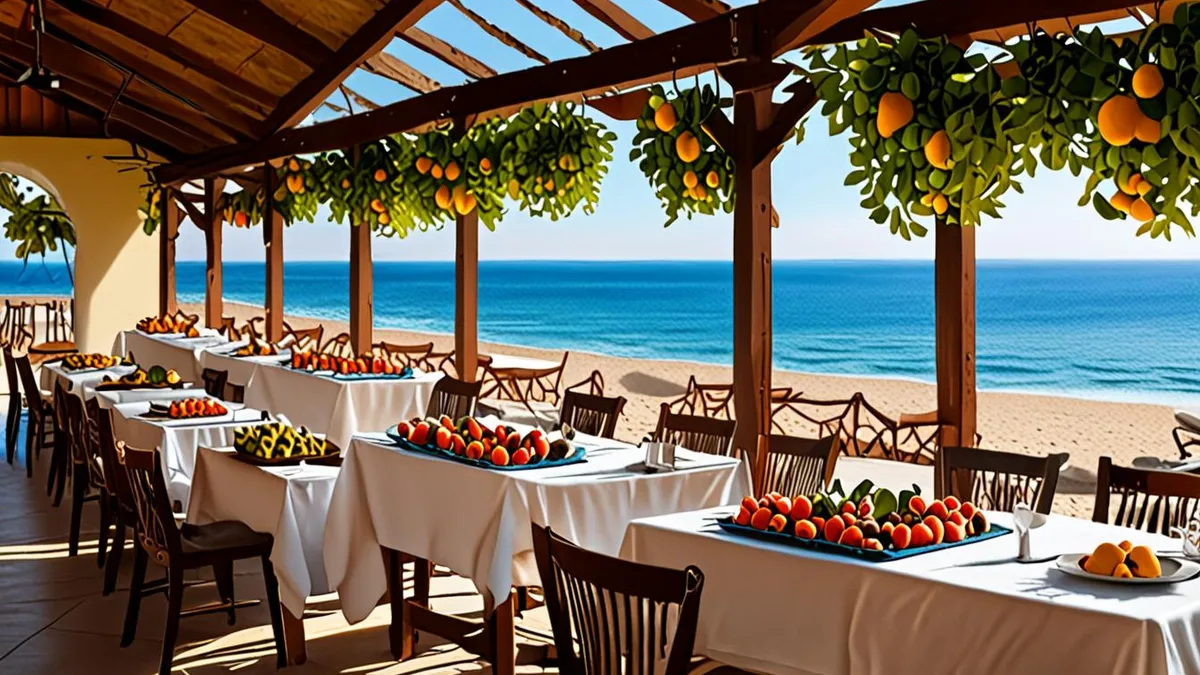
Food and drink are the heart of any all-inclusive package, and most resorts deliver plenty of options at no extra cost. Buffets are the workhorse, offering everything from made-to-order omelets at breakfast to themed dinner spreads. Snack bars keep you fueled between meals, and most à la carte restaurants are covered as well. The catch is that specialty venues, such as a hibachi grill or a chef’s-table experience, may require reservations, so book them early in your stay before the slots fill up.
On the beverage side, house wines, beer, cocktails, and soft drinks are typically unlimited. Top-shelf liquor, on the other hand, often costs extra or requires a package upgrade, so ask which brands fall under the base rate.
- House wine vs. premium labels: the standard house pour is included, but reserve lists and imported labels usually appear on a separate paid menu.
- Cocktail menu tiers: classic cocktails made with house spirits are covered, while drinks built on premium or craft brands may carry a surcharge.
- Snack bar hours: many snack bars close in the late afternoon or early evening, so know where you can grab food after dinner or during late-night arrivals.
- Specialty dining limits: some resorts cap how many specialty restaurant dinners you can book per week-long stay, even when the meal itself is included.
Room service is included at many resorts, but it can be limited to certain hours or reserved for higher room categories. Check the policy before you count on a 2 a.m. snack.
Activities and Entertainment Included in the Rate
One of the best parts of an all-inclusive resort stay is how much entertainment is built into the daily schedule. During the day, expect a rotating calendar of included activities: morning yoga classes by the pool, beach volleyball tournaments, water aerobics, and organized pool games for all ages. You can join everything on offer or ignore the schedule completely; either way, it’s covered in your rate.
Water sports follow a simple rule of thumb. Non-motorized options like paddleboarding and snorkeling are usually free, often with gear checkout at a beach shack or activity desk. Scuba diving is a different story: it may be limited to a single free introductory session, restricted to certified divers at a cost, or excluded entirely, so confirm the details with your specific resort.
- Evening entertainment: live music, themed shows, and production performances are typically staged nightly and included, from Caribbean dance nights to tribute-style revues.
- Kids’ clubs: most family resorts run supervised kids’ clubs with age ranges, craft sessions, and games at no extra charge, though some specialty programs or extended hours may cost more.
- Equipment deposits or sign-ups: even for free gear like snorkel sets, some resorts hold a deposit or require same-day reservations, so ask at the activity desk on arrival.
Between the daytime lineup, free water sports, and nightly shows, most travelers find plenty to do without ever leaving the property or opening their wallet.
Common Extras That Cost More
Even at resorts that advertise “everything included,” a handful of services almost always land on your final bill. Spa treatments are the classic example: a massage or facial is nearly never part of the base rate, and prices at resort spas tend to run well above what you’d pay at a standalone salon off property. If a spa day matters to your trip, ask whether the resort offers a credit or discount for package guests.
Motorized water sports fall into the same category. While kayaks, paddleboards and snorkeling gear are usually free, jet skis, parasailing, and motorized boat rentals are almost always billed separately. Off-site excursions are almost never included either, so that catamaran cruise or zip-lining trip will be an add-on you book through the resort or a local operator.
Drinks and dining upgrades
Watch the drink menu closely. House wines, local beer and standard cocktails are typically unlimited, but premium wine lists and top-shelf spirits often carry surcharges or require a package upgrade. Some specialty restaurants also charge a fee per person, even when the rest of your dining is covered.
A few quieter extras can sneak up on you, too. Airport transfers, laundry service and certain kids’ programs may not be part of the base rate. Before you book, ask the resort for a clear list of what costs extra so you can budget for it instead of discovering it on checkout day.
When to Book for the Best All-Inclusive Value
Timing has a bigger effect on all-inclusive pricing than almost anything else you can control. Most all-inclusive resorts sit in warm-weather destinations like Mexico and the Caribbean, and in those places demand peaks during the winter months. Peak season rates run roughly December through April, when travelers escaping colder climates push prices to their highest levels of the year.
The shoulder-season advantage
If your schedule is flexible, aim for the shoulder months. May and September through October can save you 20-40% compared to peak season, often with weather that feels very similar. You trade a small risk of rain or heat for a significantly lower nightly rate, and resorts are usually less crowded, which means shorter waits at restaurants and easier access to pool loungers.
There are a couple of things to keep in mind when you book shoulder season. Hurricane season overlaps part of the fall in the Caribbean, so consider travel insurance and check your resort’s cancellation policy. Some resorts also rotate restaurant closures or reduce entertainment schedules in quieter months, so ask what’s operating during your dates.
How far ahead to book
For peak-season travel, booking 3-6 months ahead usually secures the best rates. Waiting until the last minute rarely pays off for popular resorts in high season, since availability shrinks and prices climb. If you’re targeting the holidays or spring break weeks, earlier is generally better.
How to Compare All-Inclusive Packages Before You Book
Two all-inclusive packages with nearly identical prices can deliver very different vacations, so it pays to compare the details before you commit. Most all-inclusive resorts are concentrated in warm-weather destinations like Mexico and the Caribbean, and while the headline rate looks simple, the fine print varies from one property to the next. A resort that includes airport transfers, tips and a wide drinks list may be a better value than a cheaper option that bills each of those separately. A few minutes of checking now can prevent surprise charges on your final bill. Before you book, ask the resort or your travel agent direct questions about anything unclear, and get the answers in writing if you can. Here’s a simple process to follow.
- Check the tips policy. Tips are often included in the rate, but policies vary by resort. Some resorts ask you not to tip at all, while others expect cash for bartenders and housekeeping. Ask before you go so you can bring the right amount of small bills.
- Confirm airport transfers. Some packages include round-trip transfers from the airport; others treat them as an add-on. In destinations where the resort is an hour or more from the airport, this can be a meaningful cost, so find out whether it’s covered or priced separately before you book.
- Look at the drinks list. House drinks are usually unlimited, but premium alcohol, top-shelf brands and specialty dining often carry surcharges or require upgrades. If you care about specific spirits or wines, check which tier includes them so you’re not paying for upgrades all week.
- Read the list of excluded activities. Resorts publish which activities cost extra, such as spa treatments, motorized water sports and off-site excursions. Reading that list before booking means no checkout surprises, especially if you plan to book several excursions during your stay.
- Match the tier to your travel style. Family resorts, couples-focused properties and adults-only options differ in what they include, from kids’ clubs to romantic dining. Pick the tier that fits how you actually travel rather than the one with the flashiest name.
Once you’ve compared these points across two or three resorts side by side, the true cost of each package becomes much clearer. Write down what each rate includes, add up the extras you know you’ll use, and compare those totals rather than the headline prices alone. The cheapest headline price is not always the best deal once you account for what’s missing, and a slightly higher rate with broader inclusions can end up costing less overall. Taking half an hour to do this comparison is one of the easiest ways to get more from your all-inclusive budget.
The Bottom Line on All-Inclusive Stays
So, what does an all-inclusive rate actually cover? In most cases, one upfront price bundles your lodging, three daily meals, snacks, unlimited house drinks and most on-site activities. That covers the majority of what you’ll want during a typical resort stay, which is exactly why these packages remain so popular at beach resorts across Mexico and the Caribbean.
The surprise charges at checkout usually come from the same few sources: spa treatments, off-site excursions, motorized water sports, premium alcohol and specialty dining. Compare the inclusions list carefully before you book, and consider traveling in shoulder season, when rates can drop 20-40% for similar weather. Do that, and you’ll get real value from the rate instead of a bill full of extras. If this helped you plan your next trip, leave a comment or share the article with a fellow traveler.