A resort wedding sounds simple: one property handles your ceremony, reception, lodging and often the rehearsal dinner. In practice, couples quickly discover that juggling venue choice, hidden costs and guest logistics in a single trip takes real planning. Package pricing can hide food minimums, room blocks need negotiating, and a beautiful ceremony lawn means little without a solid rain backup.
This guide walks you through the whole process. We cover why a resort wedding venue may fit your guest list, how to choose the right setting, what you actually pay, when to book and how to handle guest logistics, where to look within North America, and how to work with resort coordinators and outside vendors. By the end, you will know the key decisions to make and the questions to ask before signing a contract.
Why Choose a Resort Wedding Venue
The biggest appeal of a resort wedding is consolidation. Your ceremony, reception, guest lodging and often the rehearsal dinner all sit on one property, which cuts transportation costs and eliminates the shuttle logistics that complicate many traditional weddings. Nobody gets lost between the church and the hotel, and no one drives back to their room after the last dance.
Resorts also come with professional infrastructure built in. On-site coordinators handle vendor sourcing, setup and timeline management, so you are not assembling a freelance team from scratch or managing a dozen contracts yourself. They know the property, the kitchens and the weather patterns, which matters more than most couples expect.
A wedding that doubles as a vacation
Because guests are already staying on site, a resort wedding naturally becomes a multi-day celebration rather than a single evening. Welcome dinners, group activities and farewell brunches fit easily into the schedule, which suits couples who want more time with out-of-town friends and family.
Budgeting gets simpler too. All-inclusive and package pricing bundles food, beverage and venue costs into predictable numbers, compared with assembling separate caterers, rental companies and venues and hoping the totals line up. You trade some flexibility for clarity, and for many couples that trade is worth it.
Choosing the Right Resort and Setting
Setting shapes everything about a resort wedding, from the photos to the price. Beach resorts suit barefoot ceremonies and sunset receptions, but sand, wind and tides mean you need a solid backup plan for the ceremony itself. Mountain resorts deliver dramatic backdrops of peaks and pine forest, and their shoulder seasons often come with cooler pricing and thinner crowds than summer weekends.
If you are browsing coastal options, our guide to beach resorts in the United States is a good starting point for comparing shorelines.
Match the setting to your guest list
The most beautiful venue fails if half your guests cannot get there comfortably. Older relatives may prefer drive-to resorts over long-haul flights, and a shorter trip generally means better attendance overall. Think about who is actually coming before you fall in love with a far-flung property.
Before signing anything, tour the property in person or by video. Walk the ceremony lawn, then ask to see the rain-backup ballroom, because that is where your wedding will happen if the weather turns. While you are there, ask whether the resort hosts multiple weddings per day. Shared grounds can mean noise bleed, crowded photo spots and strangers wandering into your backdrop, so it is better to know upfront.
Resort Wedding Costs: What You Actually Pay
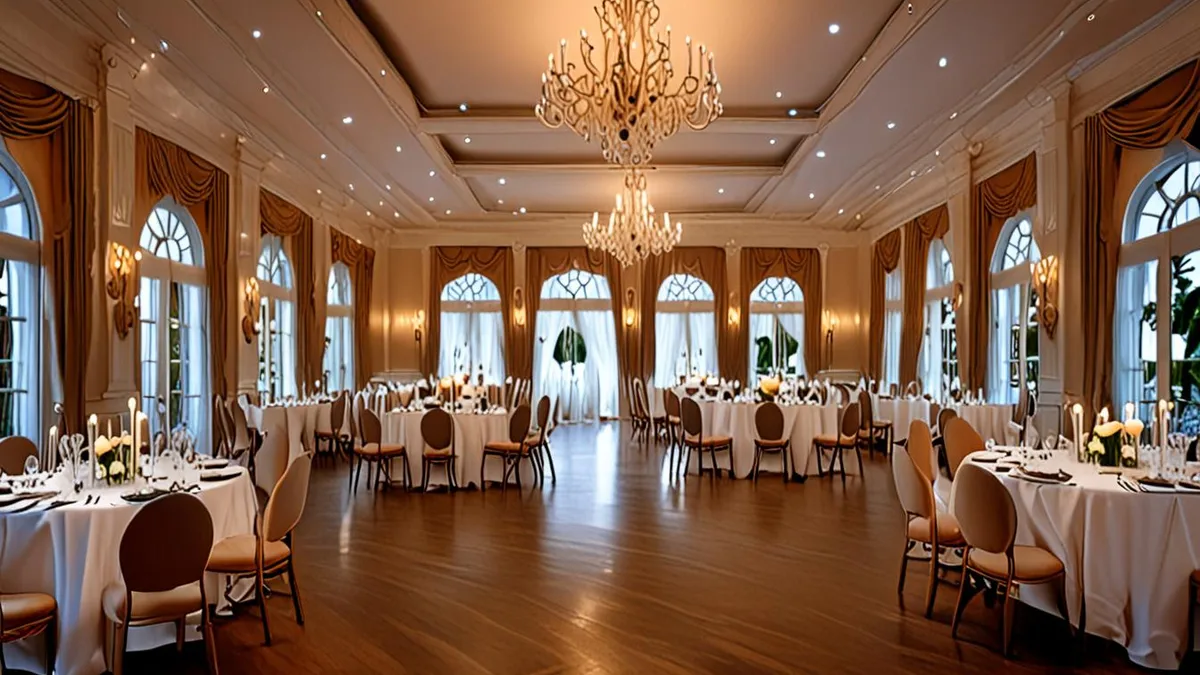
Resort weddings typically range from $10,000 to $50,000 for 50-100 guests, with all-inclusive packages landing at the lower end of that range. Package pricing makes the base number easy to understand, but the real budget lives in the details, especially food and beverage minimums, which commonly run $5,000-$20,000 depending on resort tier. These minimums usually apply separately from the venue or package fee, so ask exactly how they interact before you sign. Some resorts credit the amount you spend on the minimum toward your package, while others treat it as an additional floor you must hit no matter what. Get that answer in writing, and ask whether the minimum is calculated on food only or on food plus bar and rentals, because that single detail can swing your total by thousands of dollars.
Keep in mind that destination resort weddings average 60-80 guests, versus roughly 120 for traditional weddings. That smaller headcount changes the per-person math in your favor: your per-guest cost may look high on paper, but the total often comes in below a big hometown wedding once you factor in what you would otherwise pay for separate venue, catering and rentals. Track everything in a simple spreadsheet with one column for the quoted package and another for estimated add-ons, so nothing surprises you at the final count.
Extras that catch couples off guard
- Ceremony site upgrades: the “standard” lawn may be free, but oceanfront terraces, garden gazebos and private beaches often carry an added fee or require a higher package tier.
- Service charges and gratuities: resorts commonly add a percentage-based service charge on top of food, beverage and rental costs, so calculate it into your total rather than discovering it on the final bill.
- Vendor meals: your photographer and coordinator eat too, and most resorts charge per plate for vendor dinners during the reception.
- Welcome-event space: a welcome reception or rehearsal dinner usually requires reserving a separate restaurant or terrace, which may carry its own minimum or rental fee.
Ask the resort for a sample final bill from a recent wedding. Seeing where fees actually land is the fastest way to build a realistic budget, and it also shows you how the sales team handles transparency before you commit.
Booking Timeline and Guest Logistics
A resort wedding lives or dies on its timeline. Because you are booking a venue that also has to house your guests, the calendar matters more than it does for a hometown wedding. Popular dates disappear faster than most couples expect, and every deadline you miss ripples outward, affecting room rates, vendor availability and how many guests can actually make the trip. Building the schedule backwards from your wedding date is the simplest way to stay in control.
- Reserve the venue 12-18 months out. This gives you time to plan around room availability and gives guests plenty of notice for travel arrangements. Peak-season Saturdays in May-June and September-October go first, so if you want one of those dates, start contacting resorts early in your engagement rather than after you have picked a theme or a photographer.
- Negotiate a room block of 10-25 rooms per night. Most resorts require a block in this range for wedding groups. Confirm in writing how long the resort holds the block at group rates and what happens to unsold rooms as the date approaches, since release policies vary widely between properties.
- Send save-the-dates 8-12 months ahead. Guests traveling to a resort often need to book flights, arrange childcare and request time off work, so early notice directly affects attendance. Follow with formal invitations 6-8 weeks before the wedding.
- Plan a welcome event and a farewell brunch. Because guests are staying several days, these gatherings give the weekend structure and natural points for everyone to gather without you organizing activities individually.
Once your timeline is set, share it with guests through a simple wedding website or a group email so nobody has to guess where to be. Include check-in details, dress codes for each event and any transportation notes. A clear schedule turns a multi-day resort stay into a shared experience instead of a loose collection of meals, and it dramatically reduces the number of questions landing in your inbox during the final weeks.
Picking a Destination Within North America
North America offers an unusually wide range of resort settings, from oceanfront lawns to alpine meadows, which means you can usually find a strong option within a reasonable flight of most of your guest list. The key is matching the season to the setting.
Florida and Hawaii beach resorts deliver warm weather year-round, making them reliable choices for winter dates when much of the continent is cold. If Hawaii is on your shortlist, browse the Hawaii island resorts to compare settings across the islands. Colorado mountain resorts, by contrast, peak in summer and early fall, when wildflowers or autumn color provide the backdrop and temperatures stay comfortable.
Desert seasons and guest travel
Arizona desert resorts shine from November to April, when temperatures are mild and outdoor ceremonies are pleasant. In summer, the same properties can be uncomfortably hot for daytime events, so check seasonal conditions before committing to a date.
Flight cost and connections matter as much as scenery. A resort that requires two connections and a long travel day will lose you guests, while a shorter, simpler flight keeps attendance high. Canadian luxury resorts work especially well for couples with guests spread across North America, since they can feel like a genuine destination without requiring international passports from US attendees.
Working With Resort Coordinators and Vendors
Resort weddings come with a built-in coordinator, but that title covers very different things at different properties. Some coordinators handle nearly everything; others focus on the resort’s own services and expect you to fill the gaps. Your first job is finding out which kind you have.
Know what is included and what is not
Ask early exactly what the on-site coordinator covers versus what you still need to arrange yourself, such as hair and makeup, photography, or a florist. Then ask whether outside vendors face fees, insurance requirements, or approved-list restrictions. Some resorts charge a fee for any vendor not on their list, and that cost can surprise couples who assumed bringing their own photographer was free.
Get the details in writing
Before you make the final payment, confirm three things in writing: the rain plan, sound curfews, and setup access times. The rain plan should specify where the ceremony moves and who makes the call, since a vague backup is a common source of day-of stress. Sound curfews determine how late your band or DJ can play outdoors, and setup access times affect whether your decorators have enough hours to finish.
Finally, schedule a walkthrough call 4-6 weeks before the wedding to lock the timeline, menu counts, and rooming list. This is the point where small changes are still easy to make, and it ensures the resort team is working from the same plan you are.
Wrapping Up Your Resort Wedding Plan
A resort wedding promises an all-in-one venue, but pulling together the venue, the budget and everyone’s travel plans in one trip can feel overwhelming. The good news: it comes down to a few key decisions. A resort bundles your ceremony space, lodging and coordination into one package, typically $10,000-$50,000 for 50-100 guests, with all-inclusive options sitting at the lower end of that range.
Two factors matter most. First, book 12-18 months ahead so you have your pick of dates and room blocks. Second, match the setting to your guest list, since a shorter flight or easier drive often means more people actually attend. From there, clear written agreements with your coordinator on outside vendors, weather backups and room blocks keep the logistics stress-free. If you have planned a resort wedding, share your experience in the comments, or pass this article along to a couple just starting out.